Favourable Winds Prompt Rollback of GRAP Stage-III
New Delhi: The Commission for Air Quality Management (CAQM) in the National Capital Region and Adjoining Areas today revoked Stage-III restrictions under the Graded Response Action Plan after a marked improvement in air quality across Delhi and its surrounding regions, attributing the relief largely to favourable meteorological conditions, particularly strong surface winds.
The decision was taken by the Sub-Committee on the Graded Response Action Plan following a review meeting held earlier in the day, as Delhi’s daily average Air Quality Index showed a steady downward trend. According to the Air Quality Index (AQI) Bulletin issued by the Central Pollution Control Board, the city’s average Air Quality Index stood at 236 at 4 pm, placing it in the ‘Poor’ category and well below the thresholds that trigger the most severe emergency measures.
Stage-III restrictions had been in force across the entire National Capital Region since December 13, 2025, reflecting a prolonged spell of deteriorating air quality during the winter season. These measures include a range of curbs affecting construction activity, certain industrial operations, and vehicular use, and are generally regarded as among the most disruptive components of the Graded Response Action Plan framework.
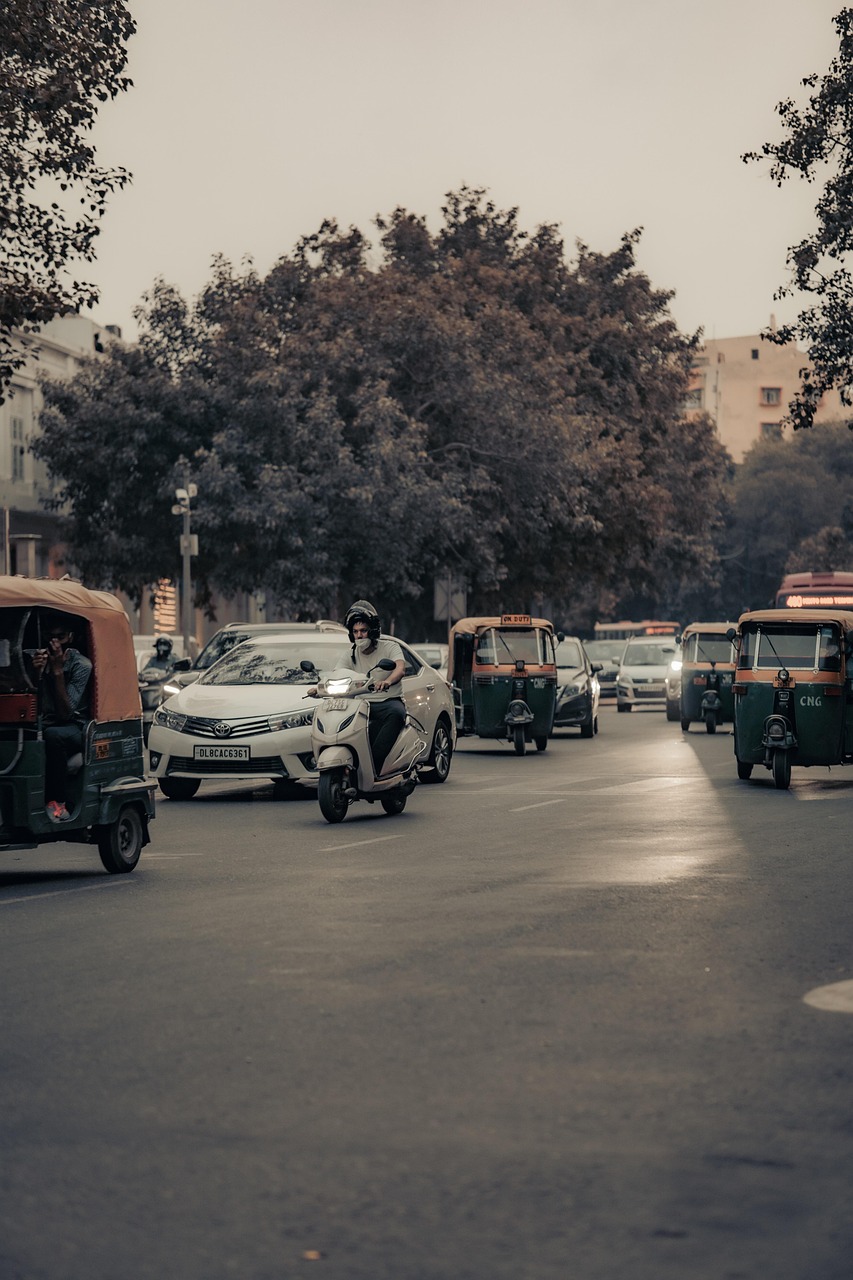
For weeks, the winter pollution season in Delhi and the National Capital Region unfolded not only through air-quality charts and regulatory orders, but through the everyday adjustments of ordinary commuters. For many households, particularly those dependent on private vehicles for work, school, or caregiving, the tightening of pollution curbs translated into altered routines and a persistent sense of uncertainty. On January 2, that pressure eased somewhat with the revocation of Stage-III measures under the Graded Response Action Plan.

In its assessment, the Sub-Committee noted that the improvement in air quality was not merely a short-term fluctuation but part of a broader downward trend observed since the morning of January 2. Forecasts provided by the India Meteorological Department and the Indian Institute of Tropical Meteorology were also taken into account. These projections indicate that while air quality is expected to remain in the ‘Poor’ to ‘Very Poor’ range in the coming days, it is unlikely to deteriorate to the ‘Severe’ category that would warrant the continuation of Stage-III measures.
Balancing these forecasts against the social and economic costs of prolonged restrictions, the Sub-Committee unanimously decided to revoke all actions under Stage-III of the existing Graded Response Action Plan schedule with immediate effect across the National Capital Region. Officials acknowledged that the measures under this stage significantly affect a wide range of stakeholders, including workers, businesses and the general public.
At the same time, authorities stressed that the revocation does not signal a return to normalcy. Measures prescribed under Stage-I and Stage-II of the Graded Response Action Plan, as notified in November 2025, will remain in force throughout the region. Agencies responsible for implementation have been directed to continue monitoring compliance and to intensify enforcement under these stages to prevent a fresh spike in pollution levels.
The Commission also clarified that construction and demolition sites which were shut down through specific closure orders due to violations of statutory directions, rules or guidelines will not be permitted to resume operations merely because Stage-III has been lifted. Such sites may restart work only after receiving explicit clearance from the Commission, underscoring that enforcement actions tied to non-compliance remain independent of broader air-quality-based relaxations.
Recognising the volatility of winter weather patterns, the Sub-Committee cautioned that favourable conditions such as strong winds may not persist. Citizens have therefore been urged to adhere strictly to the citizen charter prescribed under Stage-I and Stage-II of the Graded Response Action Plan, which includes voluntary measures aimed at reducing emissions from transport, construction and household activities.
The Commission for Air Quality Management said it will continue to keep close watch on pollution levels and meteorological forecasts, and will review the situation periodically. Any deterioration in air quality could prompt the re-imposition of stricter measures, including Stage-III restrictions, if conditions warrant. The decision, officials emphasised, is a calibrated response to present conditions rather than a rollback of the broader winter pollution control strategy in the National Capital Region.
– global bihari bureau