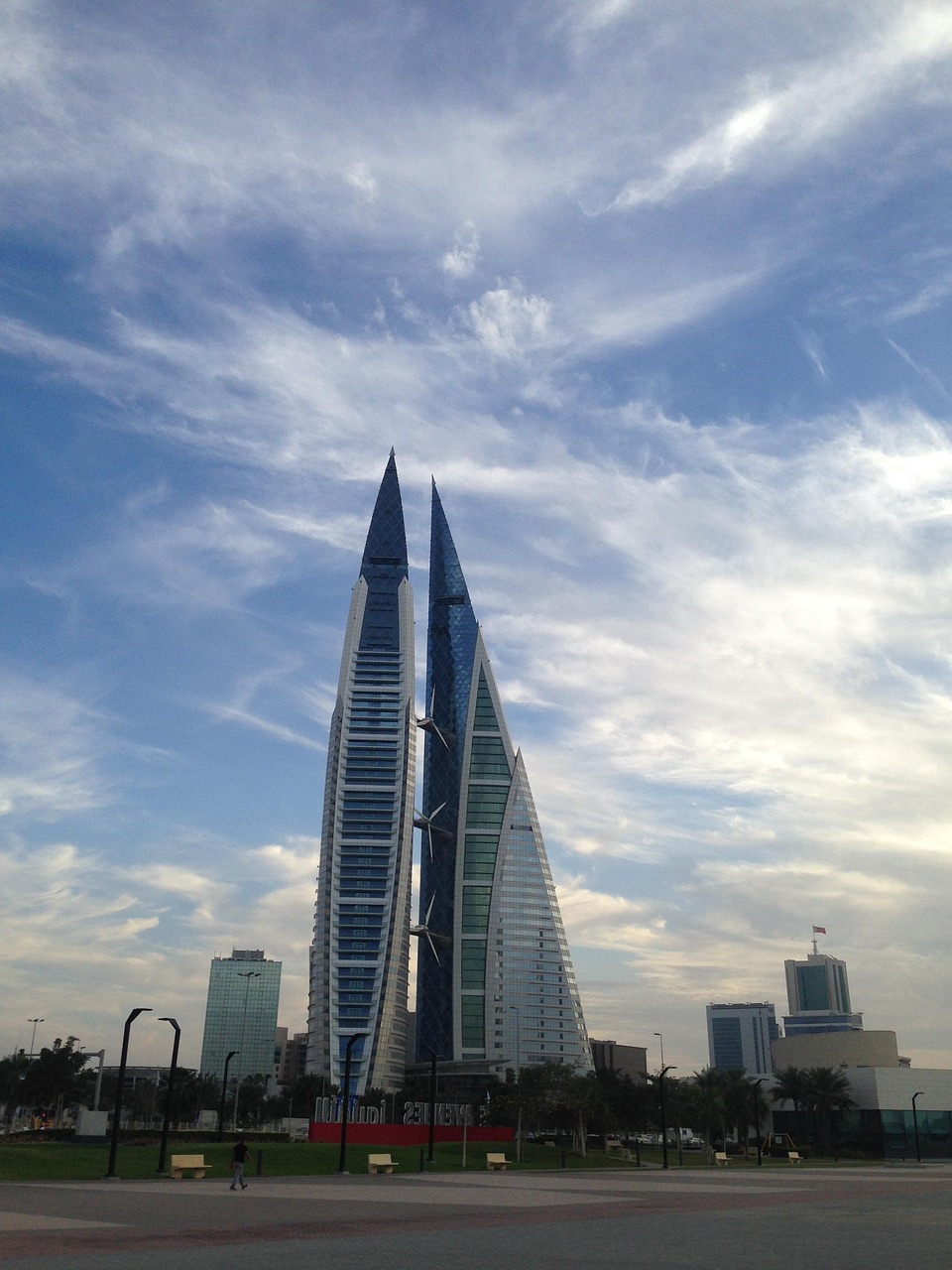
Bahrain Trade Centre
Washington: The United States, Bahrain, and the United Kingdom advanced Middle East diplomacy with the UK’s accession to the Comprehensive Security Integration and Prosperity Agreement (C-SIPA), a framework to “enhance” regional stability, security, and economic ties.
Hosted by Mora Namdar, Senior Bureau Official for Near Eastern Affairs, in Washington, D.C. on July 16, 2025, the ceremony included Bahrain’s Ambassador Sheikh Abdulla bin Rashid Al Khalifa and the UK’s acting Deputy Head of Mission Lucy Ferguson.
Signed by the U.S. and Bahrain on September 13, 2023, and effective from June 19, 2025, C-SIPA builds on the Abraham Accords of September 15, 2020, which facilitated normalisation between Israel, Bahrain, the UAE, and others.
A joint statement by the three nations declared, “The United States, the Kingdom of Bahrain, and the United Kingdom reaffirm their desire to strengthen their strategic cooperation to advance the goals of C-SIPA under the agreement’s three core pillars: 1) defense and security; 2) economic, commercial, and trade; and 3) science, technology, and network security.”
The United States State Department Spokesperson Tammy Bruce emphasised at a press briefing on July 17, “This milestone framework builds on the historic Abraham Accords and is aimed at fostering broader integration in the Middle East, bolstering mutual deterrence against external threats, and expanding cooperation to advance security, stability, and prosperity in the region.”
C-SIPA’s pillars address challenges like Iran’s missile and proxy activities, which disrupted 15% of Gulf shipping in 2024. The joint statement noted, “The Kingdom of Bahrain, which joined the Abraham Accords in 2020, has long been a leader and advocate for realising the promise of greater regional integration,” highlighting Bahrain’s key role.
Working groups, set to launch in August 2025, will advance cooperation, with Bahrain as a key player. The UK’s contributions, including £1.2 billion for Gulf security in 2024 via joint naval exercises with Bahrain, enhance the pact’s scope. Independent analysts described the accession as a new phase for partnerships. Bahrain’s role, hosting the U.S. Fifth Fleet in Manama, supports Gulf security.
The Abraham Accords enabled diplomatic ties, with Bahrain’s 2024 trade with Israel estimated at approximately $130 million. C-SIPA’s open architecture seeks to include nations like Morocco and Saudi Arabia, with talks ongoing. The UK’s post-Brexit security focus, including 2024 agreements with Qatar and Oman to enhance cybersecurity, strengthens the pact. Bahrain’s 2.6% GDP growth in 2024, driven by non-oil sectors like finance and tourism (3.8% growth), supports C-SIPA’s economic goals, despite a 5–10% export decline due to falling oil prices.
The accession occurs amid regional challenges, including Syria’s Sweida conflict and Gaza’s humanitarian crisis, with 17,000 child deaths since October 2023. C-SIPA aims to counter Iran’s 2024 proxy attacks on Gulf infrastructure, though Iran views the pact as a threat to its influence. Public sentiment in Bahrain shows 55% opposing normalisation without Palestinian progress, and 60% of youth prioritise Palestinian rights. An Israeli strike on Gaza’s Holy Family Church, killing three, including an 88-year-old woman, and a July 14, 2025, shelling in Rafah, killing two and injuring nine, underscore the crisis. A near-total Israeli blockade since March 2, 2025, has stranded 6,000 aid trucks, with 1.9 million displaced and one million children facing malnutrition.
C-SIPA’s working groups target economic growth via tech ventures, leveraging Bahrain’s 12.3% growth in information and communication. U.S. sanctions on Venezuela’s TDA address broader regional threats.
Analytically, C-SIPA aligns U.S., Bahraini, and UK interests to enhance security and trade, but faces challenges from Iran’s opposition and Bahraini public concerns. The UK’s NATO-aligned capabilities add credibility, yet local scepticism persists which requires careful navigation by the concerned parties. Working groups must deliver tangible trade and cybersecurity outcomes, building on Bahrain’s 2024 non-oil export growth, to sustain momentum. U.S. diplomacy in Syria reflects regional engagement, but addressing Arab sentiment is essential for C-SIPA’s success as a framework for Middle East cooperation.
– global bihari bureau