224 km Network Boost to Sharpen Railway Efficiency in Maharashtra–Gujarat
Suburban and Saurashtra sections get multitracking approval
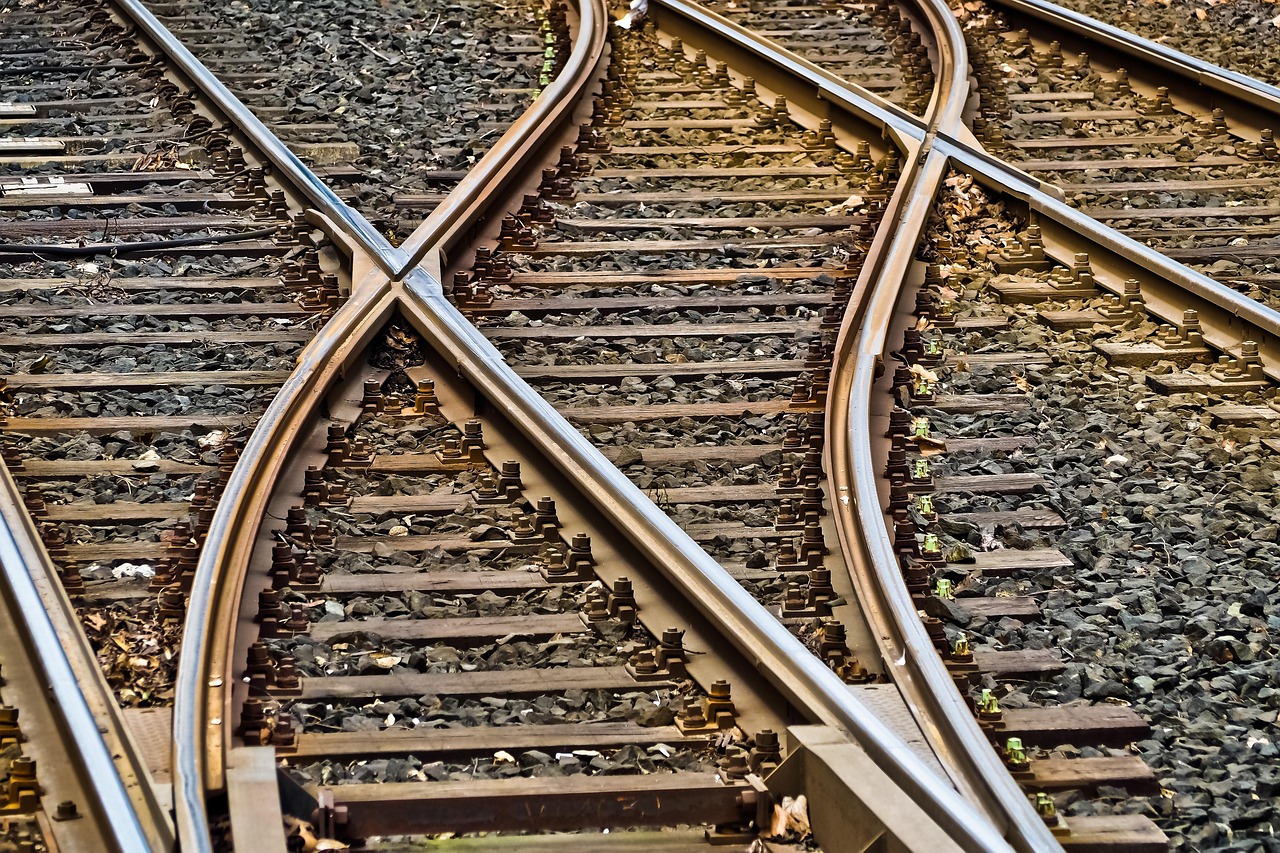
New Delhi: The Cabinet Committee on Economic Affairs today approved two multitracking railway projects in Maharashtra and Gujarat, with a combined estimated cost of ₹2,781 crore. The decision, taken at a meeting chaired by Prime Minister Narendra Modi, will add approximately 224 km to the existing railway network and is expected to increase line capacity, reduce congestion and improve operational reliability for both passenger and freight movement.
The projects include the Devbhumi Dwarka (Okha)–Kanalus doubling spanning 141 km and the Badlapur–Karjat third and fourth line covering 32 km. Officials stated that the increased track capacity will enable smoother train operations by decongesting heavily utilised sections and facilitating the movement of additional services. According to the government, the multi-tracking expansion is consistent with policy efforts to improve mobility, reduce delays and raise service efficiency across the Indian Railways network.
Planning for the two projects has been undertaken through the PM Gati Shakti National Master Plan, which emphasises integrated decision-making to strengthen multi-modal connectivity and logistics efficiency. Under this approach, infrastructure investments are expected to complement economic and development priorities in the regions they serve.
The projects span four districts across Maharashtra and Gujarat and are expected to improve connectivity for an estimated 585 villages with a combined population of around 32 lakh. Government officials have linked the initiative to broader regional development by citing its potential to expand access to employment and self-employment opportunities and contribute to local economic activity.
The Devbhumi Dwarka (Okha)–Kanalus doubling project is expected to provide strengthened access to the Dwarkadhish Temple and improve connectivity in the Saurashtra region. In addition to benefits for passenger movement, the ministry expects extended freight capacity on the route to support industrial growth in western coastal districts.
The Badlapur–Karjat third and fourth line project falls within the Mumbai suburban corridor, one of the most densely used passenger rail networks in the country. The additional lines are expected to help meet future commuter demand, facilitate smoother interchange with long-distance services and maintain a link to southern India without creating additional pressure on existing tracks.
Freight transport has been underlined as a key dimension of both projects. The additional line capacity is expected to support the movement of commodities such as coal, salt, containers, cement and petroleum products, and could generate additional freight traffic of approximately 18 million tonnes per annum. The Railway Ministry has also highlighted anticipated environmental benefits tied to a modal shift from road to rail. These benefits include estimated reductions in oil imports by three crore litres and carbon dioxide emissions by 16 crore kilograms per year, a reduction equated to the effect of planting 64 lakh trees.
Government officials describe the approvals as aligned with the long-term vision of enhancing national connectivity while pursuing climate and logistics-efficiency goals. The implementation timelines and sequencing of works will be determined during the execution phase.
– global bihari bureau