Crops on the Brink: Half of Prime Land at Risk by 2100
Rome: Imagine a world where your morning coffee is a rare luxury, your daily bread a fading memory, and staples like beans and cassava are harder to come by. That’s the stark future staring us down, according to a bombshell report from the Food and Agriculture Organization of the United Nations (FAO).
By 2100, climate change could rob crops like wheat, coffee, beans, cassava, and plantain of half their prime growing land. This isn’t science fiction—it’s the sobering reality revealed by FAO’s upgraded Adaptation, Biodiversity, and Carbon Mapping Tool, known as ABC-Map, a high-tech beacon in the battle to save global agriculture. Built on Google Earth Engine, this open-source geospatial app taps global datasets to deliver critical insights on climate risks, biodiversity, and carbon reduction potential, arming policymakers, technicians, and project designers with the tools to face a warming world.
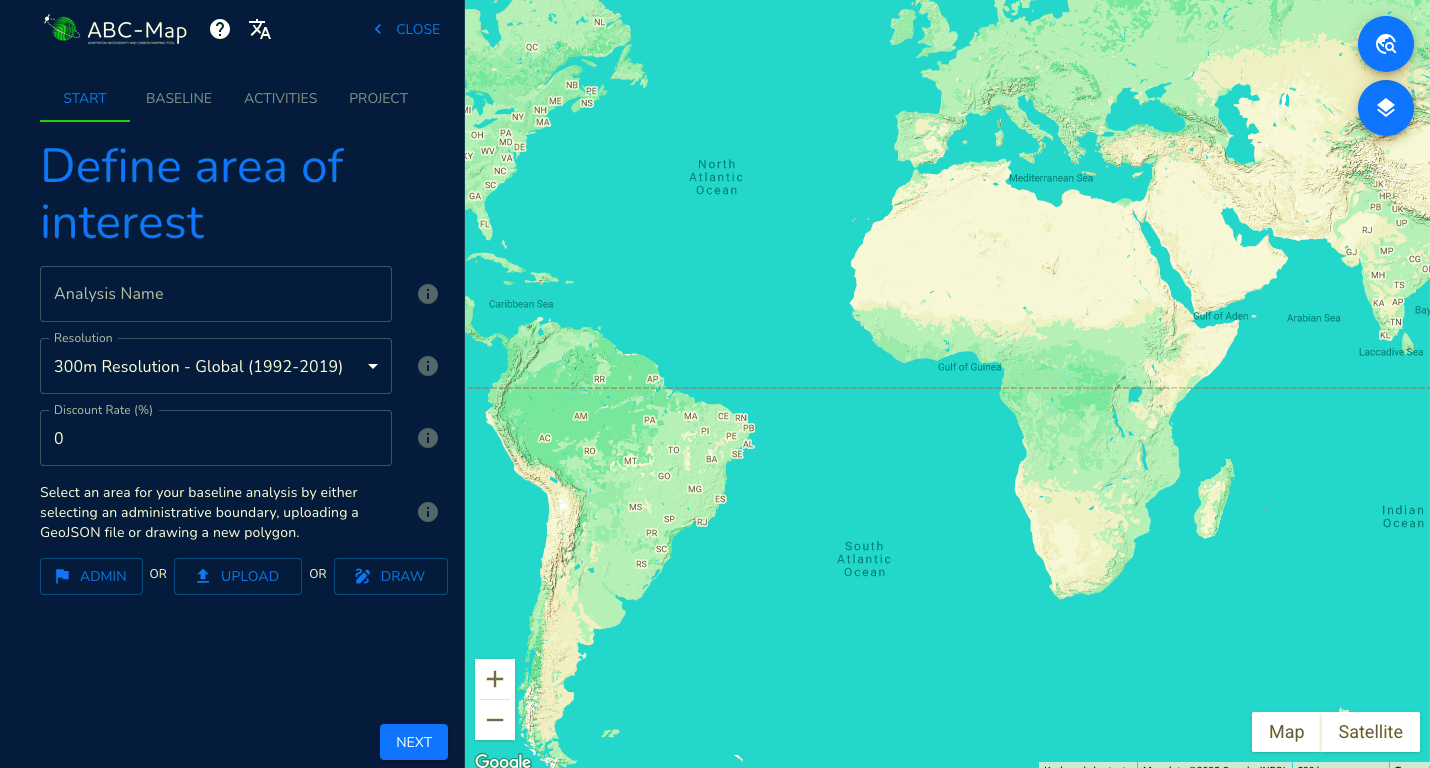
The upgraded ABC-Map now boasts a new indicator that gazes decades ahead, forecasting how major crops will fare under evolving climate scenarios through 2100. Martial Bernoux, FAO’s Senior Natural Resources Officer for Climate Change, lays it bare: with droughts, extreme heat, and floods turning weather into a high-stakes lottery, farmers and policymakers need to know if their crops, investments, or projects will survive—or if it’s time to rethink everything. This tool, he says, strengthens our capacity to confront climate shocks and build long-term resilience, ensuring food security doesn’t crumble under the weight of an erratic climate.
The data driving this wake-up call comes from a study by French fintech startup Finres, commissioned by the International Fund for Agricultural Development and funded by the French Development Agency. Titled “Have crops already reached peak suitability: assessing global climatic suitability decreases for crop cultivation,” it uses a novel method to map how five of nine major staple and cash crops—wheat, coffee, beans, cassava, and plantain—are already losing their optimal growing conditions. By 2100, some could see half their suitable land vanish. Coffee regions, from Ethiopia to Colombia, face a bitter decline. Wheat and beans are set to take a hit, especially in North America and Europe. Maize and rice might find new fertile grounds for a while, but under high-emission scenarios, even they could falter by century’s end.
Using ABC-Map is like having a climate oracle at your fingertips. A user picks a location, selects from 30 crops—coffee, maize, wheat, and more—and the tool delivers a suitability score for that crop in that area, projecting out to 2100 across two climate emission scenarios. Unlike its earlier version, which only tracked past trends like temperature and rainfall, this upgrade offers a window into the future. And there’s more coming: later this year, FAO plans to add indicators for livestock heat stress and crop water requirements, estimating expected rainfall and irrigation needs to guide smarter farming decisions.
Launched in 2024 as part of the COP28 Agriculture, Food, and Climate National Action Toolkit, ABC-Map debuted at the Global Forum for Food and Agriculture in Berlin, under the Food and Agriculture for Sustainable Transformation Partnership. It’s a linchpin for governments wrestling with the intertwined challenges of climate change mitigation, adaptation, and biodiversity loss, all while safeguarding food security. Aligned with the three Rio Conventions, it helps nations understand synergies and trade-offs, promoting holistic environmental actions in agriculture. With this upgrade, ABC-Map is more than a tool—it’s a lifeline, empowering countries to assess and confront climate-related shocks and impacts, ensuring the fields that feed us don’t wither away.
From coffee plantations to wheat fields, the stakes couldn’t be higher. ABC-Map’s latest evolution is a clarion call to act, offering a roadmap to adapt to a hotter, wilder world, one harvest at a time.
– global bihari bureau