Health Systems Urged to Boost Breastfeeding Programmes
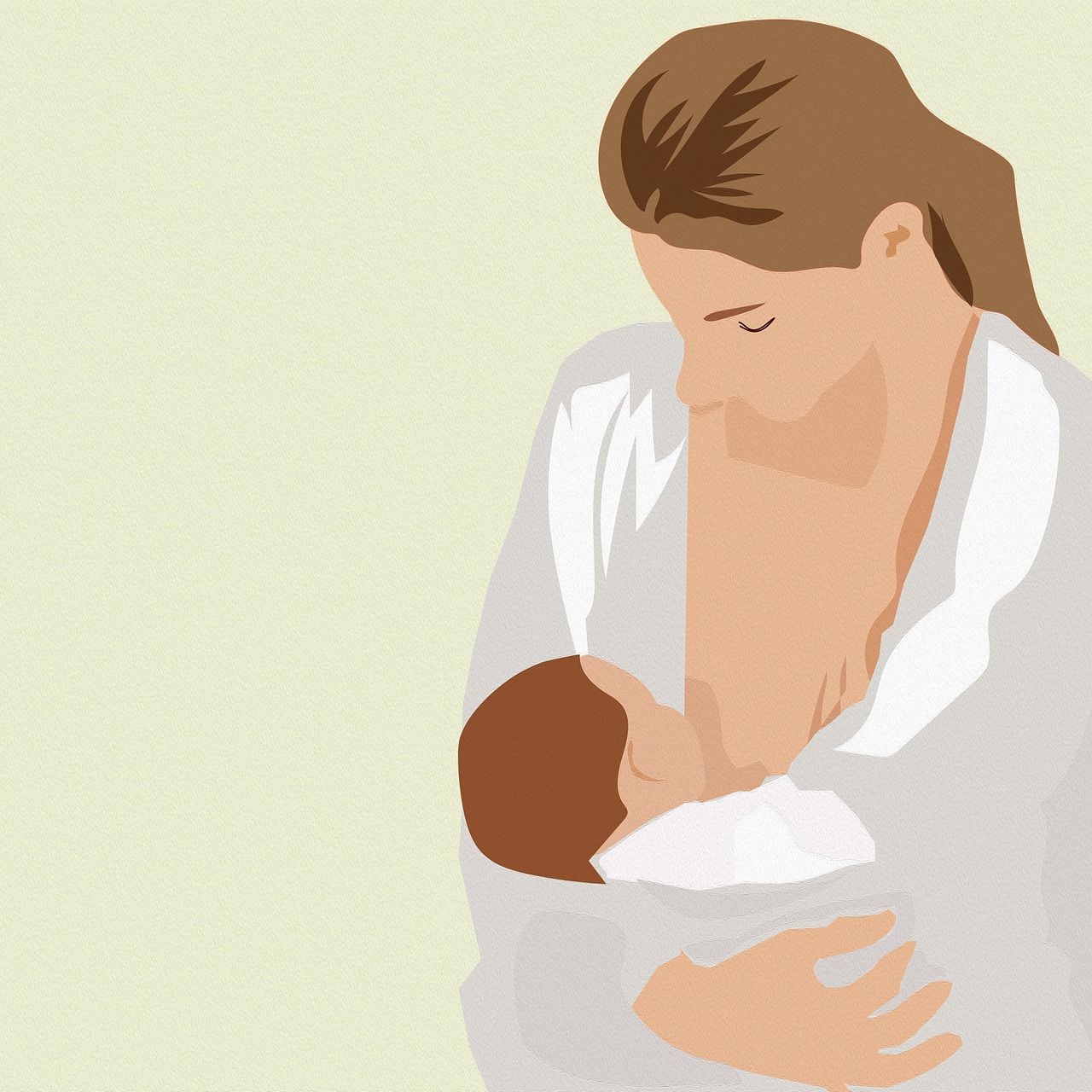
Geneva/New York: Despite its benefits, only 48% of infants under six months are exclusively breastfed, falling short of the World Health Assembly’s 2030 target of 60%. In a joint statement marking World Breastfeeding Week, WHO Director-General Dr. Tedros Adhanom Ghebreyesus and UNICEF Executive Director Catherine Russell called for increased investment in health systems to support breastfeeding mothers. Breastfeeding, described as a baby’s first vaccine, protects against diseases like diarrhoea and pneumonia while supporting infant health, development, and survival.
Challenges include inadequate training—only one in five countries provides infant and young child feeding training for doctors and nurses, leaving millions of mothers without proper breastfeeding guidance post-delivery. Under-resourced, fragmented, or poorly equipped health systems struggle to deliver consistent, evidence-based support. Investment in breastfeeding remains low, despite each dollar yielding $35 in economic returns.
Under the theme “Prioritise breastfeeding: Create sustainable support systems,” WHO and UNICEF urged governments, health administrators, and partners to:
- Ensure adequate investment in equitable, quality maternal and newborn care, including breastfeeding support services.
- Increase national budget allocations for breastfeeding programs.
- Integrate breastfeeding counselling and support into routine maternal and child health services, including antenatal, delivery, and postnatal care.
- Equip all health service providers with skills and knowledge to support breastfeeding, including in emergency and humanitarian settings.
- Strengthen community health systems to provide ongoing, accessible breastfeeding support for up to two years and beyond.
- Apply the International Code of Marketing of Breast-milk Substitutes in all health facilities and systems.
The call to action underscores the need for immediate, coordinated efforts to close the breastfeeding gap. By prioritising investments in health systems, governments can address systemic barriers, protect infants from preventable diseases, and unlock significant economic benefits. WHO and UNICEF emphasised that these measures are essential to building equitable, resilient health systems that empower mothers and safeguard child health globally.
Dr. Tedros and Ms. Russell emphasised that strengthening health systems is a health, moral, and economic imperative. WHO and UNICEF pledged to support countries in building resilient systems to ensure no mother or child is left behind.
– global bihari bureau