A key door to the Amazon rainforest: The Guama River in Belém
 By Dr Rajendra Singh*
Belém’s River Sends Warning
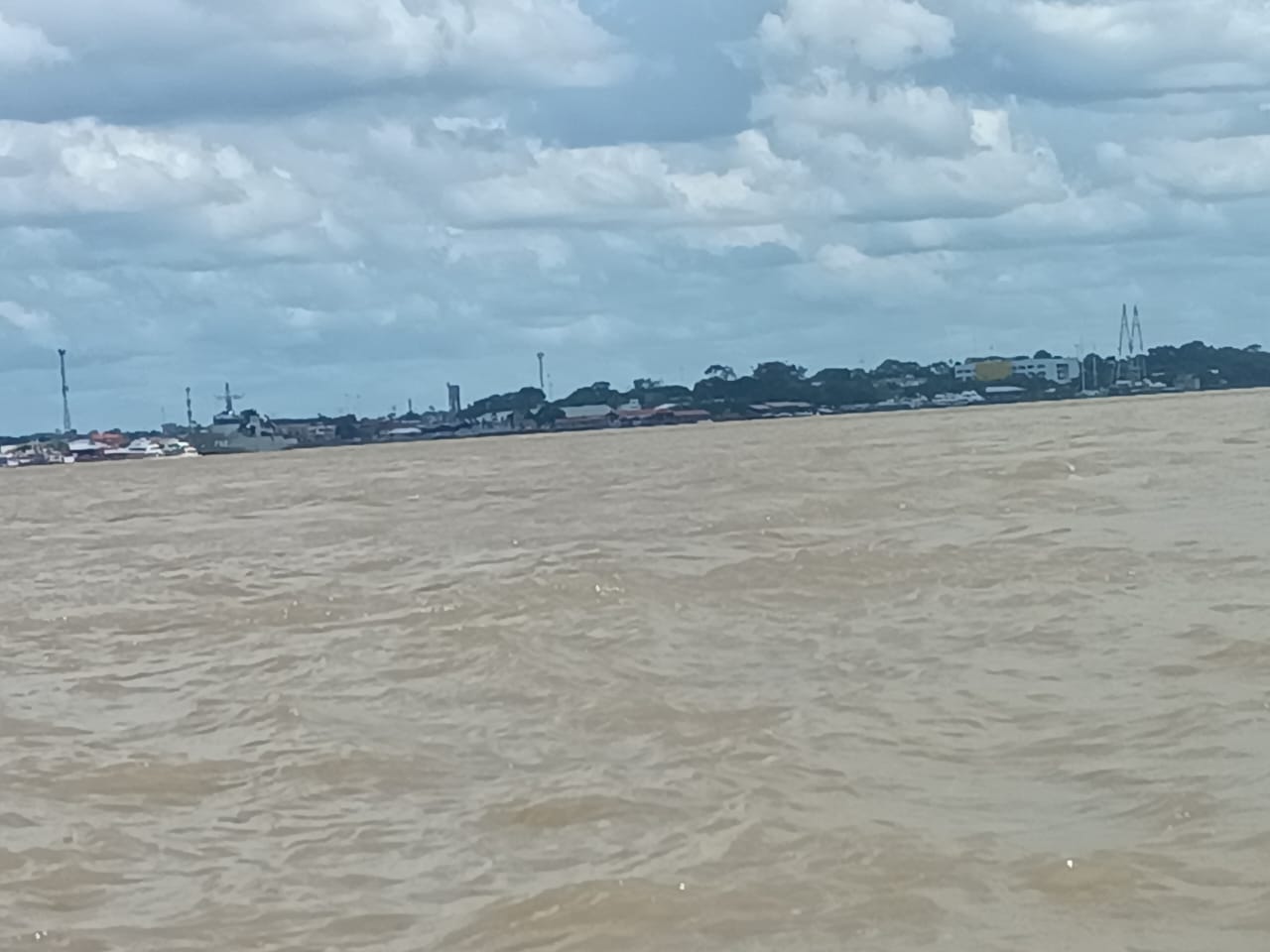
Belém: The Guamá River runs right through the heart of Belém city, the capital of Pará state in northern Brazil and the host city of the 30th Conference of Parties (COP30). It is a key door to the Amazon rainforest. The city sits where the Guamá and Pará rivers meet on Guajará Bay. Long ago, in 1616, Portuguese settlers built the city on land that belonged to the Tupinambá people. They called the bay “Guaçu Paraná” — a big river like the sea. The Tupinambá and Pacajás tribes lived here under their chief Guaimiaba. They fished, grew cassava, and managed the forest. Today, only about 2,000 people in the city say they are indigenous. But many more live near rivers and in poor areas. They keep old ways alive. The city has grown into a busy port, but the river still feeds fishing, transport, and daily chores.
At sunrise, the Guamá looks perfect — clear water, no plastic, no dirt. Children jump in and laugh. Women near Cidade Velha and Igarapé do Combu wash clothes on river rocks. They slap the cloth hard — thap, thap — and the sound mixes with their talking and jokes. The hot, wet air (30–35°C) turns their laughter into steam. The river’s tide helps rinse the soap away. This is an old habit in places where modern taps are rare.
But this beauty hides danger.
Fifteen years ago, thick jungle grew all along the banks. Now, hotels, farms, shops, and tourism have taken over. Trees are gone fast. The soil is red and bare. Chemicals from farms and factories enter the water — you cannot see them, but they are there. The fish carries poison. The river is dying slowly. People still love it deeply. No one does puja or prayer here. The river stays clean only because of their good behaviour.
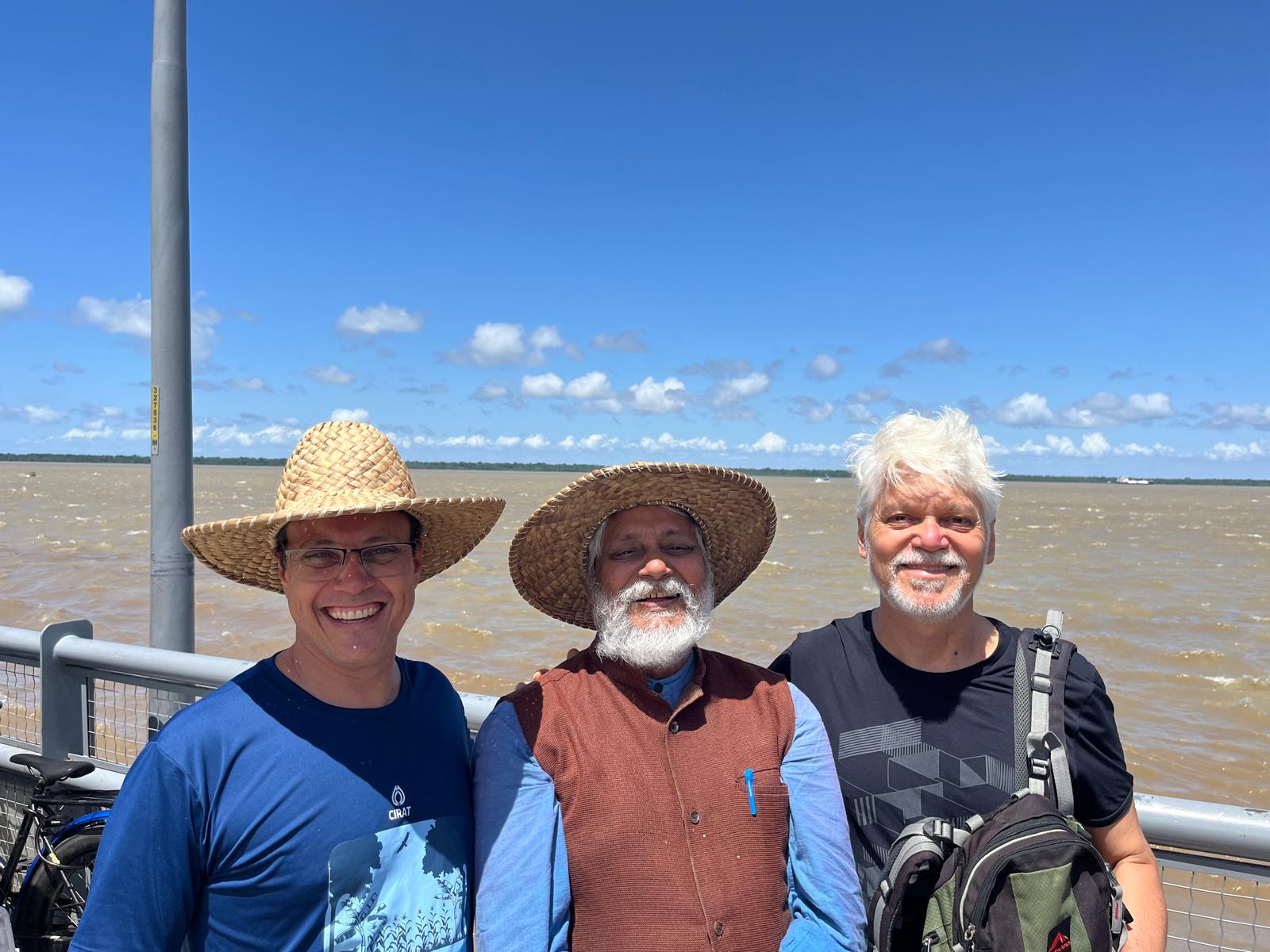
On November 8, a small team travelled the Guamá in a boat. They went part by part to study it. The water flows fast in some places, slow in others. They saw how fast the jungle had disappeared.
Brazil is a very lucky country. It has the Amazon forest and river. The forest feeds thousands of smaller rivers. But new roads, farms, and factories are hurting it. The Amazon was once full of life. Now it carries waste and poison.
On November 7, at the Earth Summit, a powerful story was told. In India, a group called Tarun Bharat Sangh (TBS) brought water back to dry land. For over 50 full years, they worked in 10,600 square kilometres — bigger than many countries. They saved water, soil, and trees. Where only 2% forest grew, now 48% grow. Places like Chambal, Alwar, Jaisalmer, Mewat, and Jaipur are green again. No one is forced to leave their home. No land is damaged. The work was free from harm. People have water, food, and jobs.
“Ecology is economy,” the message was clear. “Save nature, save yourself.”
The whole session was about listening to TBS and the Earth Charter.
The Earth Charter is simple. It is easy for common people to understand. SDGs (Sustainable Development Goals) are too hard. All governments talk about them, but real work is slow. Democratic leaders say they work for people. But they work more for big companies. Poor people now see this. They lose trust in leaders. Leaders care only for money, not voters.
Also read: Seize COP30: Force Amazon Laws—Smash Greed’s Jungle Blitz!
At COP30, the same problem shows. Big companies and leaders speak loudly. Nature has no voice. Rivers have no voice. Forests have no voice. Tribal people have no voice. COP is becoming a money game for the rich. It makes nature angrier.
Brazil’s President Lula is known as a leader for the poor. He has slowed some damage. But he has not stopped it fully. The Amazon is still not safe.
In 1992, India’s government and courts made strong rules. They saved the Aravalli mountains and Western Ghats. Destruction slowed down. Now it is speeding up again.
The call from Belém is simple: Brazil, do the same at COP30. Make strong rules. Save the Amazon forest. Save the Amazon River. Save the Amazon people. Show the world you love them.
Learning starts with love for nature. It ends with nature growing rich. Rich nature makes people rich. There is a deep link.
When you build something new, first understand the local land, water, and people’s culture. Plan with care. Never harm nature. Then both people and nature win.
Climate disaster is everywhere now. Floods. Droughts. Fires. Who says it is not real? Rich business people. They do not feel the pain. They have money, houses, and medicine. But poor people suffer every day.
To change this, we need a simple path: Live with love. Live with care. Live in harmony with nature. Stand by the Guamá at sunset. Feel the warm mud between your toes. Smell the river air. Hear the water move. This is life.
Hurt the earth — and it hurts you back.
Love the earth — and it gives back.
*The writer is an internationally acclaimed water conservationist and a winner of the Stockholm Water Prize.