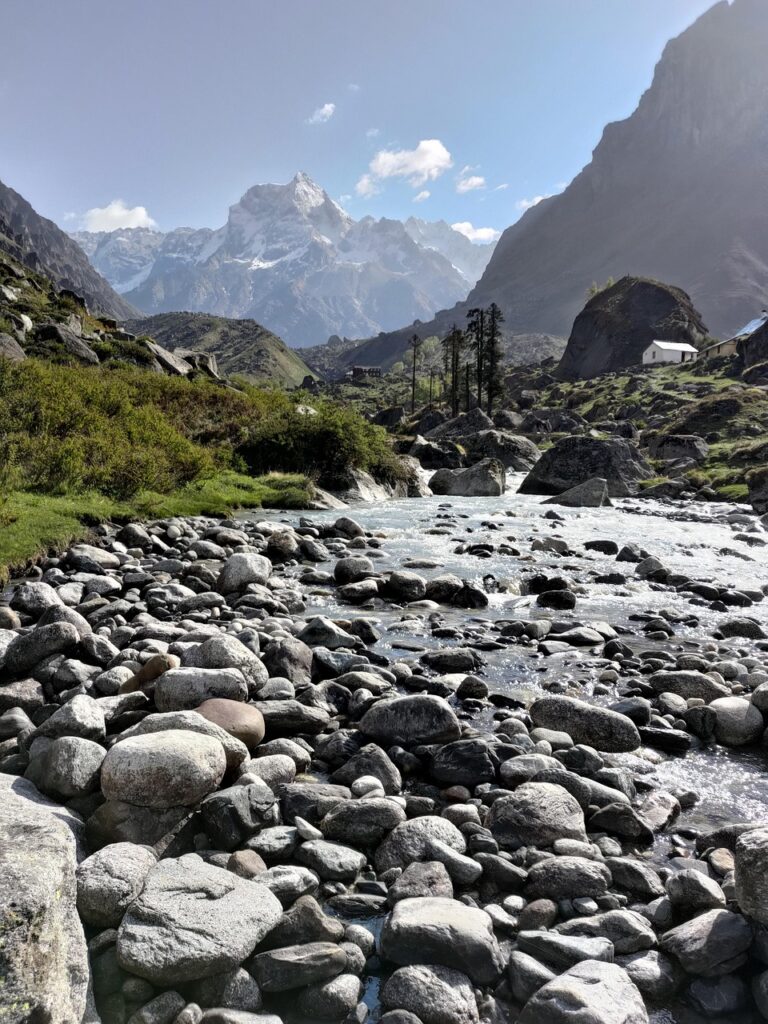
A reforestation project is restoring 5 246 hectares of ecosystems in the Venezuelan Andes, safeguarding wildlife and creating sustainable landscapes. ©FAO
In Latin America, where the lush forests of the Andes meet the arid expanses of Brazil’s Caatinga and the flowing rivers of Chile, a powerful movement is restoring the region’s rich biodiversity. From the smallest fish to the mightiest bear, this intricate web of life underpins ecosystems that sustain agriculture, food security, and human livelihoods.
The Food and Agriculture Organization of the United Nations (FAO), with support from the Global Environment Facility (GEF) and local partners, is driving transformative conservation projects in Brazil, Chile, and Venezuela, reviving ecosystems and empowering communities. These efforts are a beacon of hope in a region that holds 50 per cent of the world’s primary forests—often called “the lungs of the Earth” for their role in carbon sequestration—yet faces biodiversity loss from unsustainable human activities and climate change.
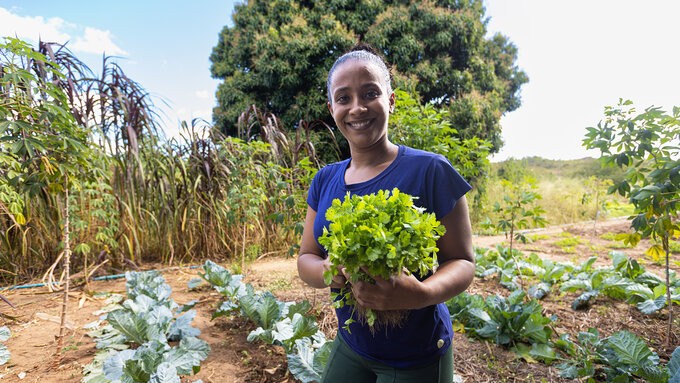
In Brazil’s northeastern Caatinga, a semi-arid biome teeming with cacti, thorny trees, and shrubs, farmer Eusébia Bezerra has turned barren land into a thriving orchard. When she returned to her rural home in 2019, drought and degraded soil made farming nearly impossible, forcing her to buy vegetables from the city. The FAO-led, GEF-funded Sustainable Agroforestry Practices and Biodiversity Conservation project changed that. “Before, we didn’t even use 50 per cent of the land,” Eusébia says. “Now, every corner is productive.” Through the project, she learned to integrate fruit trees, vegetables, flowers, and medicinal plants, while reusing water and adopting agroforestry systems. Today, her family sells 27 kilograms of lettuce, coriander, chives, paprika, and leeks weekly to a local cooperative, supplementing their income with fish and native plants like the mandacaru cactus, which bears edible fruit, and the medicinal aroeira tree. These sustainable practices not only boost her livelihood but also preserve the Caatinga’s unique biodiversity, threatened by monocultures and mining, ensuring its flora remains a vital resource for food and medicine.
In southern Chile, the tiny puye fish (Galaxias maculatus) has sustained artisanal fishers along the Palena River for generations. This small species, prized for its gastronomic and economic value, was once at risk due to unregulated fishing. Elizabeth Ovalle, a fisher with over 30 years of experience, recalls, “We sold it illegally because we didn’t have permits.” The FAO and GEF’s Marine-Coastal Governance project, working with local and national authorities, transformed this practice. By analysing catch and seasonal patterns, the project developed monitoring models for sustainable fishing in the Pitipalena-Añihué conservation area. For the first time, puye fishing was formalised and regulated, balancing tradition with conservation. In 2024, fishers harvested 4,470 kilograms of puye between October and December, a dramatic increase from the 203 kilograms declared the previous year. This surge not only strengthened the local economy but also safeguarded marine ecosystems, ensuring the puye’s survival and the livelihoods it supports.
High in Venezuela’s Andes, the frontino bear—so named for the white spots on its forehead, earning it the scientific name Tremarctos ornatus—faces a dwindling habitat due to deforestation and agricultural expansion. The FAO, in collaboration with Venezuela’s Ministry of People’s Power for Ecosocialism (MINEC) and the GEF, launched a project to restore 5,246 hectares of Andean ecosystems in the Sierra La Culata National Park and surrounding areas. Park ranger Serfreddy Jerez witnessed the community’s commitment to this cause. “The most beautiful thing is that people came together,” he says. “We reforested with native trees that feed the bear and other animals.” Community-based tree nurseries were established in buffer zones between forests and farmland, fostering coexistence between agriculture and wildlife. Beyond reforestation, the project created five ecological corridors in previously fragmented forests, allowing species like the frontino bear to roam freely. Supported by the National Foundation of Zoos, Zoobreeders, and Aquariums, these corridors promote natural regeneration, creating a sustainable landscape for diverse fauna. “This is the only way to save our cloud forest,” Jerez affirms, confident that these efforts will help the frontino bear thrive once more.
Latin America’s biodiversity is a global treasure, critical for the agrifood sector that relies on healthy ecosystems for pollination, pest control, soil fertility, freshwater regulation, and genetic resources. Yet, human activities and climate change threaten this foundation. The FAO and GEF projects in Brazil, Chile, and Venezuela are reversing this decline, aligning with global ambitions to restore 30 per cent of degraded ecosystems by 2030. From Eusébia’s orchard in the Caatinga to the puye’s revival in Chile’s rivers and the frontino bear’s restored Andean home, these initiatives demonstrate that biodiversity is not just an ecological asset but the backbone of resilient communities. By weaving together sustainable practices, traditional knowledge, and community action, Latin America is forging a future where nature and humanity flourish together.
Source: The FAO News And Media Office, Rome
– global bihari bureau