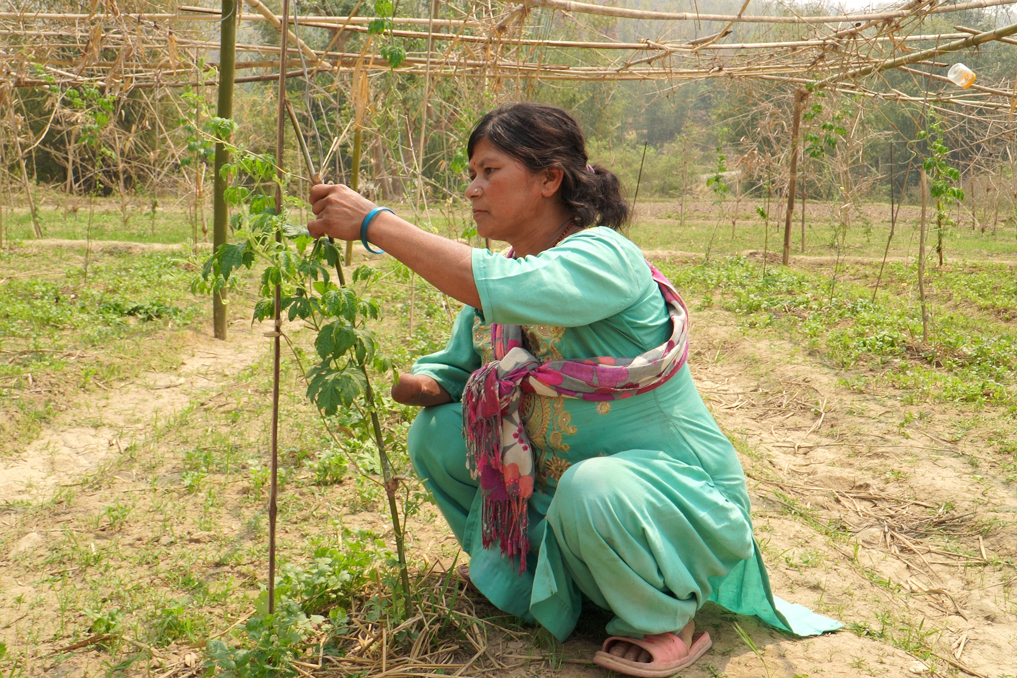
Khilamaya Nepali, who has lived with a disability since she was six months old, is participating in an FAO-GCF farmer field school for the first time. She has learnt better farming techniques, like using upcycled plastic fly traps, and hay for mulch. ©FAO/Adarsha Dhungel
Khilamaya’s Trap: Outsmarting Flies and Doubt
Khilamaya Nepali stands on a modest patch of land in Udayapur district, southeastern Nepal, her gaze fixed on a fly trap nestled among rows of bitter gourd plants stretching nearly four feet tall. The air hums with the quiet bustle of growth, and a spark of pride lights her eyes.
“Look, there’s a male fly,” she says softly, pointing with her left hand, her voice steady with the confidence of someone who’s mastered a new skill. “We use a special chemical to catch them, keeping the fly population in check. I learned this at the farmer field school.”
Her words carry the weight of hard-won knowledge, earned through sweat and study in a shared plot where she and other farmers experiment with ways to outsmart pests and coax better yields from the soil. She’s not just farming; she’s rewriting her story, one clever trap at a time.
This field school is part of the Building a Resilient Churia Region in Nepal project, backed by the Green Climate Fund and run by the Food and Agriculture Organization of the United Nations (FAO) alongside Nepal’s government. It’s a lifeline for farmers like Khilamaya, equipping them to face the growing threats of climate change—droughts, erratic rains, and soil that’s struggling to nurture.
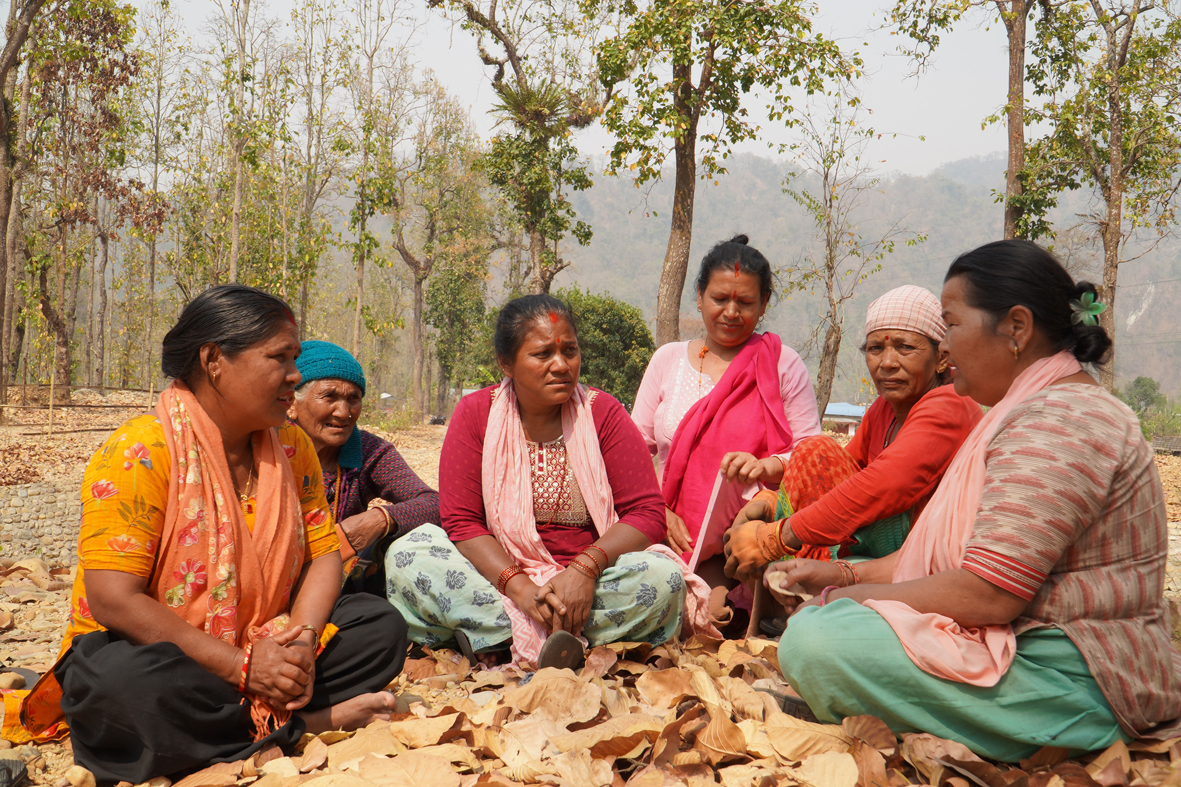
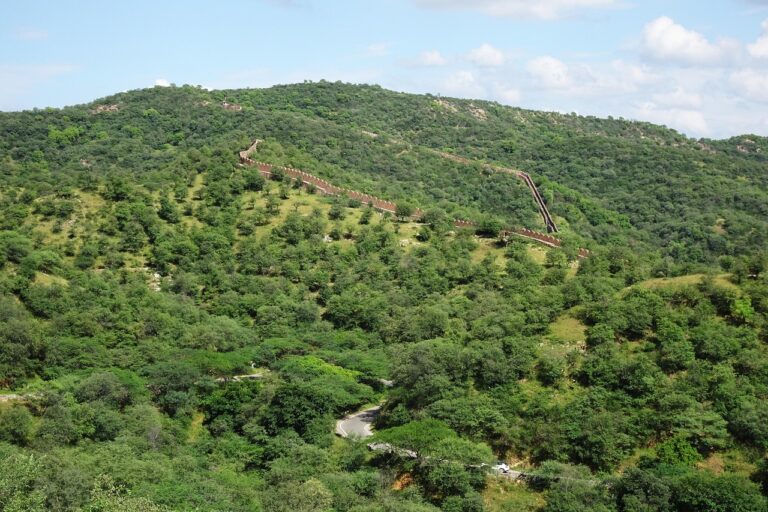
Nestled at the foothills of the Himalayas, the Churia region is a place of rugged beauty but mounting challenges, scarred by land degradation, unpredictable weather, and unsustainable practices. Most farmers here are subsistence growers, coaxing rice or maize from small plots to feed their families. Many cling to traditional methods, but climate change doesn’t play fair—erratic weather can wipe out a season’s hope in a single storm. The field schools are changing that, running trials to test crop varieties and track which ones thrive under the region’s new, harsher realities. These plots are living classrooms, where farmers experiment with techniques like mulching with rice hay—a simple shift from burning it, which once choked the air and starved the soil. Now, the hay locks in moisture, saves water, and keeps the earth alive with nutrients and microbes.
For Khilamaya, the field school is a turning point. Born without her right hand, she’s faced challenges since she was six months old. “Writing was the hardest,” she says, a faint smile breaking through. “But I taught myself with my left hand. It’s slow, but I manage.”
Her resilience shines in her careful handwriting and in the backyard plot where she’s tested her new skills, turning a scrap of land into a proving ground. As a mother to two daughters, the younger of whom shares her disability, and a member of the Dalit community, historically sidelined by caste discrimination, Khilamaya’s financial struggles have been steep without her own farmland. Local programmes often overlooked her—until the Risku field school’s facilitators, like Dev Kumari Raut, saw her potential. “She was shy at first,” Dev recalls, “but she’s become one of our most dedicated learners.”
Khilamaya’s voice grows animated as she shares her discoveries. “We used to farm the old way, but the field school changed everything. I learned to make liquid fertiliser from local ingredients and how to compost properly. It’s made such a difference.” The field schools aren’t just about better crops—they’re about building agency, welcoming everyone: women, men, people with disabilities, Indigenous groups, and Dalit communities. Women make up 71 per cent of participants, while 49.9 per cent are Indigenous and 14.5 per cent are Dalit.
Over 2,000 farmers have been trained, transforming 1,200 hectares of farmland with climate-smart practices that boost yields and hope. For Khilamaya, the impact goes beyond the harvest. Joining the field school has given her a place in her community, a voice where she once felt invisible. She’s not just growing bitter gourds—she’s growing confidence, proving to herself and others that she’s a vital part of the village’s fabric.
The project’s strength lies in its inclusivity, showing that resilience starts with people. By empowering farmers like Khilamaya—those often left on the margins—it’s sowing seeds for a future where communities can weather climate extremes together. Every trap set, every handful of mulch spread, every new technique mastered is a step toward a stronger Churia region.
For Khilamaya, it’s a reminder that her hands—left, right, or none—can shape a brighter tomorrow.
Source: The FAO News And Media Office, Rome
– global bihari bureau