 By Deepak Parvatiyar*
Caste, Cash, and Chaos: Bihar’s Poll Party
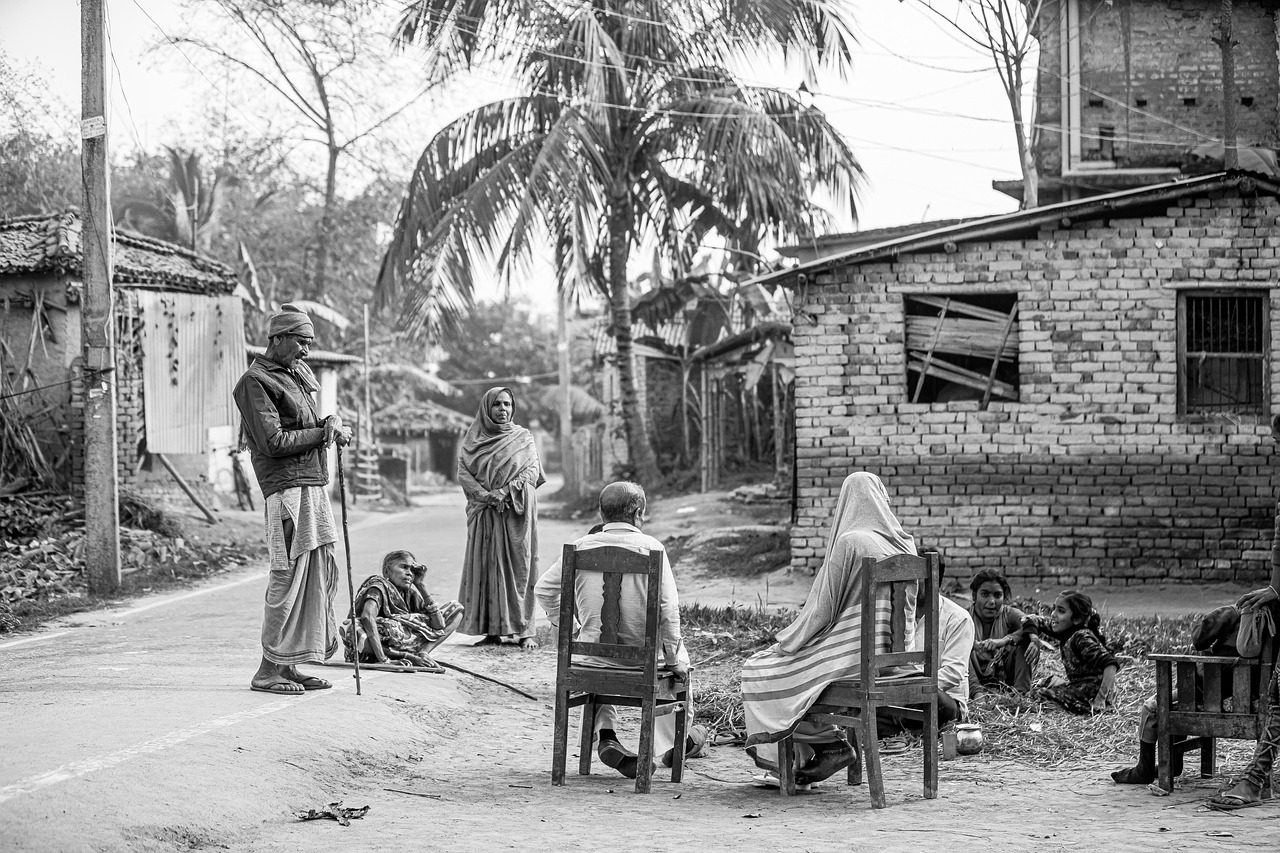
Bihar has plunged headlong into election season, and it’s buzzing louder than a Patna traffic jam. Since the November State Assembly polls were announced, every chai stall, paan shop, village square, and WhatsApp group has turned into a political war room. The Model Code of Conduct has clipped posters, but nothing can tame the chatter—alliances, caste strategies, campaign drama, and controversies keep the state on edge. Voters, sipping chai or chewing betel, are weighing which political team will come out on top in this high-stakes game.
Bihar’s electoral map is a battleground, often sketched out on the back of a crumpled newspaper at chai stalls as the “Bihar 2025 Political Masala Map”—a vivid, hand-drawn affair where lines blur between strategy and street gossip. The National Democratic Alliance (NDA) dominates central and western districts like Nalanda, Gaya, and Samastipur, leaning on OBC and non-Yadav votes, their strongholds marked with bold saffron strokes and whispers of welfare “laddoos” that taste sweeter in Kurmi pockets.
The National Democratic Alliance—Bharatiya Janata Party with Narendra Modi’s clout, Nitish Kumar’s Janata Dal (United), Chirag Paswan’s Lok Janshakti Party, and Jitan Ram Manjhi’s Hindustani Awam Morcha—is juggling seat-sharing and strategy. The Lok Janshakti Party, after pushing for 40 seats, settled for 26, while Manjhi’s group eyes influence in key areas. Their campaign mixes big rallies, online outreach, and booth-level work, touting governance, welfare, and new roads. Pre-poll announcements have locals at paan stalls smirking, calling them vote-grabbing sweets handed out just in time. And, the sweets have been plentiful—Modi’s whirlwind visits before the poll bugle sounded, doling out a staggering ₹62,000 crore in youth schemes like upgraded ITIs, skill labs, and the shiny Jan Nayak Karpoori Thakur Skill University, plus ₹48,520 crore in power plants, highways, and rail upgrades, all unveiled with the flair of a Diwali blockbuster.
A Patna rickshaw-puller, wiping sweat with a grin, quips over his paan, “Modi ji aaye toh paise baarish ho gayi—ab yeh sab kaam karega ya sirf sapna?” The impact? Some opinion polls whisper it’s tilting the scales for NDA, with 57% of voters crediting Modi’s magic for a “big” boost, turning welfare into electoral laddoos that stick longer than the opposition’s job jabs.
A successful ‘Operation Sindoor’ is also finding space in the election discourses. And with Modi himself set to address 10 rallies across the state—mostly in the first-phase voting areas where NDA seeks to shore up its 2020 weaknesses—the buzz is electric; a Gaya trader quips over chai, “Modi ji 10 baar aayenge toh poora Bihar sunega, par dekho, Nitish ji ko bhi saath le jaayenge ya alag se credit lenge?”
The Opposition, led by Tejashwi Yadav’s Rashtriya Janata Dal (RJD), alongside Congress and Left parties under the INDIA alliance, is banking on a “change” narrative. They’re highlighting rural struggles, unemployment, migration, and governance lapses. Tejashwi is reaching beyond the Yadav-Muslim base to Bhumihars and Extremely Backward Classes. Door-to-door campaigns, WhatsApp blasts, and rallies keep voters engaged, with party workers getting real-time feedback. Village elders in chaupals, listening to young volunteers, joke: “Yeh sab toh baatein hain, asli kaam toh vote dene ke baad dekhenge,” their wit keeping campaigns honest. In a Begusarai tea shop, a Bhumihar trader leans in, voice low: “Tejashwi ladka toh energetic hai, par yeh maa wali gaali ne poora narrative bigaad diya—ab log kehte hain RJD walon ne personal attack kiya, hum toh sochte hain yeh distraction hai unemployment se, phir bhi vote mein asar padega.”
Prashant Kishor, the mastermind behind Jan Suraaj Party, is stirring curiosity across Bihar. From Patna’s crowded streets to Muzaffarpur’s village markets, people are puzzled by his strategy. “PK ka plan hai, par hum samajh nahi paaye ki kisko zyada maarne wale hain,” says a young volunteer at a street corner. Contesting all 243 seats with a focus on governance over caste, Jan Suraaj aims to win over first-time voters and ambitious youth in districts where the NDA and RJD-led opposition are neck-and-neck. Kishor has released his first list of 51 candidates for the Bihar Assembly elections. Some call him a silent partner to bigger players; others see him shaking up tight races. In a Gopalganj chaupal, a cluster of Kurmi elders passes around a beedi, speculating with half-smiles: “Kishor toh chess khel raha hai, hum jaise gaon walon ko lagta hai yeh NDA ka B-team hai, par jawaan log bolte hain yeh asli badlaav laayega—dekho, swing districts mein youth vote le jaayega, phir Nitish ji ko sochna padega.” It’s pure Bihar banter, laced with that tongue-in-cheek doubt that keeps everyone guessing.
In Seemanchal’s dusty lanes, Kishanganj’s shopkeepers, students, and clerks are talking about Asaduddin Owaisi, the All India Majlis-e-Ittehadul Muslimeen (AIMIM) chief, who’s making waves in Muslim-majority areas. AIMIM reportedly is preparing to contest approximately 100 seats in the upcoming Bihar assembly elections. “Ab ye log humare vote ka hisaab kar rahe hain,” grumbles a chaiwala, glancing at Owaisi’s posters plastered across town. Analysts say his targeted campaign could upset the National Democratic Alliance and Rashtriya Janata Dal-led opposition in close races, pushing both to rethink candidate picks and court smaller communities with laser focus. Over paan at a corner stall, a local trader whispers with a sly grin, “Owaisi bhai aa gaya toh vote ka tamasha badh jaayega—NDA walon ko Muslim pockets mein ghoomna padega, aur RJD ko sochna padega ki unka MY formula abhi bhi tikega ki nahi.”
It’s the kind of speculation that turns a quick betel break into a half-hour debate, with everyone nodding over the wildcard’s potential to slice margins in Purnia and Araria like a well-honed kirpan.
The RJD-led Mahagathbandhan holds strong in Seemanchal—Kishanganj, Araria, Purnia—and parts of Magadh and urban Patna, Yadav-Muslim lines etched deep, with RJD leader Tejashwi Yadav’s “badlaav” (change) promises scribbled in fiery red, debated endlessly in Muslim-majority nooks where the AIMIM chief Owaisi’s wildcard green blobs threaten to smear the edges.
Swing districts like Sitamarhi, Madhubani, Begusarai, and Siwan are up for grabs, with tiny vote shifts deciding fates—these hotspots get dotted with question marks and arrows, locals arguing over who’ll snag the Bhumihar or Extremely Backward Class sway, while the Special Intensive Revision (SIR) of Bihar’s electoral rolls -affected constituencies like Purnia and Begusarai glow with bureaucratic red tape, slowing the tempo and fueling conspiracy chats about “ghost voters.”
Wildcards—Kishor’s Jan Suraaj, Owaisi’s AIMIM, and Mayawati’s Bahujan Samaj Party—could tilt close races, their unpredictable patches splashed across marginal seats like extra masala on a plate, with Dalit elders in Gaya chuckling, “Mayawati memsaab aa gayi toh BSP ka blue BSP ban jaayega, par PK toh har jagah faila hua hai jaise mirchi powder.” And those potential kingmaker zones? If a hung assembly looms, they’re circled in yellow—strategic pockets in Seemanchal and swing belts where Jan Suraaj or AIMIM could broker post-poll deals, the kind that keep haat traders betting: “Hung ho gaya toh yeh wildcards ko Nitish ji khareed lenge, ya Tejashwi ko? Bihar ka asli tamasha tab shuru hoga.” Voter list updates further complicate plans in affected areas, turning the map into a living sketch, redrawn daily with each fresh rumour.
Rahul Gandhi, Leader of the Opposition in Lok Sabha and senior Congress leader, is gearing up to address nine to ten rallies across Bihar in the coming weeks, focusing on youth unemployment and electoral reforms to rally the INDIA bloc base. Village elders in chaupals, lounging under mango trees, muse: “Humne socha tha Delhi ka neta bas haath hilega… par log keh rahe hain, ‘Ab thoda dhyan hamaare gaon ki bhi hai’.”
The rallies fire up Congress supporters, but their impact feels more like a morale boost than a game-changer, given Bihar’s deep-rooted caste loyalties and local networks. Still, they fuel lively debates at chai stalls and on social media, where every speech is dissected.
At a Siwan crossroads, a Dalit vendor chews paan thoughtfully: “Modi ji ke schemes acchhe hain, par yeh maa wali controversy ne toh sympathy badha di—log kehte hain Congress-RJD ne hadd paar ki, ab hum vote denge unko jo maa ki izzat rakhe.” The sentiment echoes the NDA’s bid to turn outrage into votes, especially after that AI video from Bihar Congress in September, showing a dream sequence where Hiraben seemingly scolds her son over politics—BJP slammed it as “deepfake depravity,” and even now, WhatsApp forwards keep it alive, with aunties in Nalanda whispering, “Yeh sab low-level hai, par election mein kaam aayega NDA ko.”
At a haat in Vaishali, a group of young farmers chuckles over their phones, “Rahul ji bolte hain jobs aayenge, par hum toh sochte hain pehle toh yeh yatra wale drama khatam ho jaaye—Modi ji ki maa wali baat ne toh poora Bihar hila diya, ab yeh unemployment pe bolenge toh log sunenge ki nahi?” The reference hangs in the air, a nod to the fresh masala from August’s Voter Adhikar Yatra, where a viral clip of abusive slurs against Prime Minister Narendra Modi and his late mother Hiraben sparked outrage—BJP calling it an “insult to every maa in Bihar,” while opposition voices dismissed it as a stray heckler’s rant, not stage-managed venom. Now, in October’s heat, it lingers like yesterday’s gossip: a Patna paanwala confides with a wink, “Yeh maa wali baat abhi bhi chal rahi hai, log kehte hain BJP isko vote bank banayegi, par hum toh sochte hain asli issue toh bijli-paani hai—phir bhi, emotional ho jaate hain sab.”
Caste remains the backbone of strategy. Brahmins, Bhumihars, Yadavs, Koeris, Kurmis, Dalits, and Extremely Backward Classes are mapped out by party planners. The ongoing caste census sharpens their insights, doubling as a campaign tool blending identity with development promises. First-time voters and absentee ballots from Biharis living elsewhere, especially in swing districts, could tip the scales in tight contests. It’s this arithmetic that locals dissect with relish—at a Madhubani haat, a Koeri woman haggles over vegetables while muttering, “Census se toh sabko pata chal gaya hum kitne hain, ab parties humare vote ke peechhe bhaag rahi hain.”
The Special Intensive Revision (SIR) of electoral rolls adds another twist. Parties are watching every voter list change, knowing small shifts can sway close races. In Madhubani, Sitamarhi, Begusarai, and Purnia, this process has slowed campaigns, forcing adjustments to rallies and booth plans. Locals at a roadside dhaba quip: “Ab toh dekho, daftar wale bhi poll ka hisaab lagaye baithe hain,” poking fun at how bureaucracy plays a role in the election game. A clerk in Sitamarhi shares over samosas, “SIR par opposition kehte hain yeh vote chori hai—NDA bolta hai cleaning, hum toh sochte hain yeh sab swing seats ka khel hai.”
PK to Owaisi: Bihar’s Wildcard Wager
A hung Assembly isn’t out of the question. If no alliance wins outright, Jan Suraaj, AIMIM, or BSP could play kingmakers, sparking post-poll deals that’ll keep Bihar talking. Negotiations and strategies will stretch beyond election day, fueled by chai, paan and gossip. In a Muzaffarpur paan corner, some khadi-clad netas unanimously sum it up with a wry laugh: “Yeh map toh roz badalta hai, kal Owaisi ka area badh jaayega, par kal hi.”
The Election Commission sets the rules. The Model Code of Conduct bans using government property, vehicles, or staff for campaigning. Ministers can’t mix official duties with electioneering. Citizens can report issues via the 1950 helpline or C-Vigil app, with 824 flying squads ready to act in 100 minutes. Public spaces like maidans and helipads are allocated via the SUVIDHA module. These rules don’t dull the campaign—they make parties get creative within the lines.
From Seemanchal’s chai stalls to Patna’s paan shops, from Muzaffarpur’s chaupals to Gopalganj’s markets, Bihar’s voters are the stars, judging every move. Alliances, caste math, wildcards, Rahul’s yatras, Tejshwi’s “badlaav”, Modi’s largesse, Owaisi’s push, Kishor’s campaign, Mayawati’s dalits, and voter list tweaks make the 2025 elections a gripping, seemingly unpredictable show. Every chai-stall debate, every paan-shop quip, every village chat shapes a democracy that’s loud, messy, and pure Bihar.
*Senior journalist