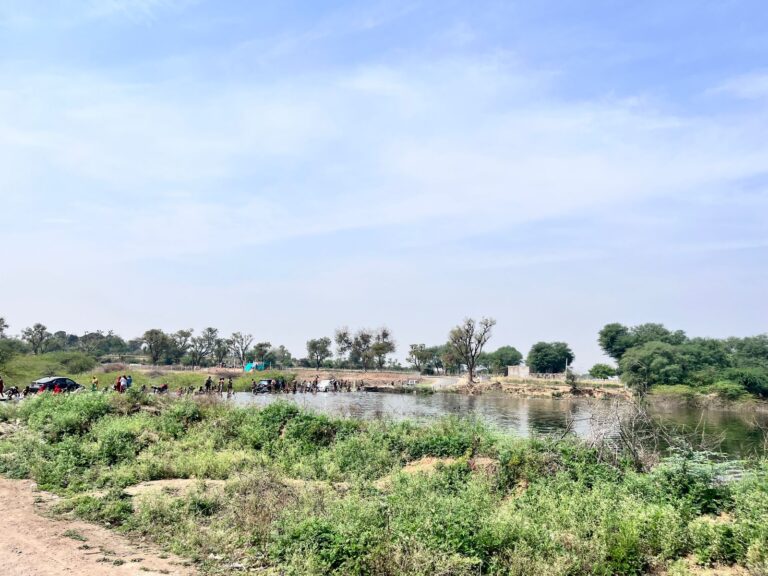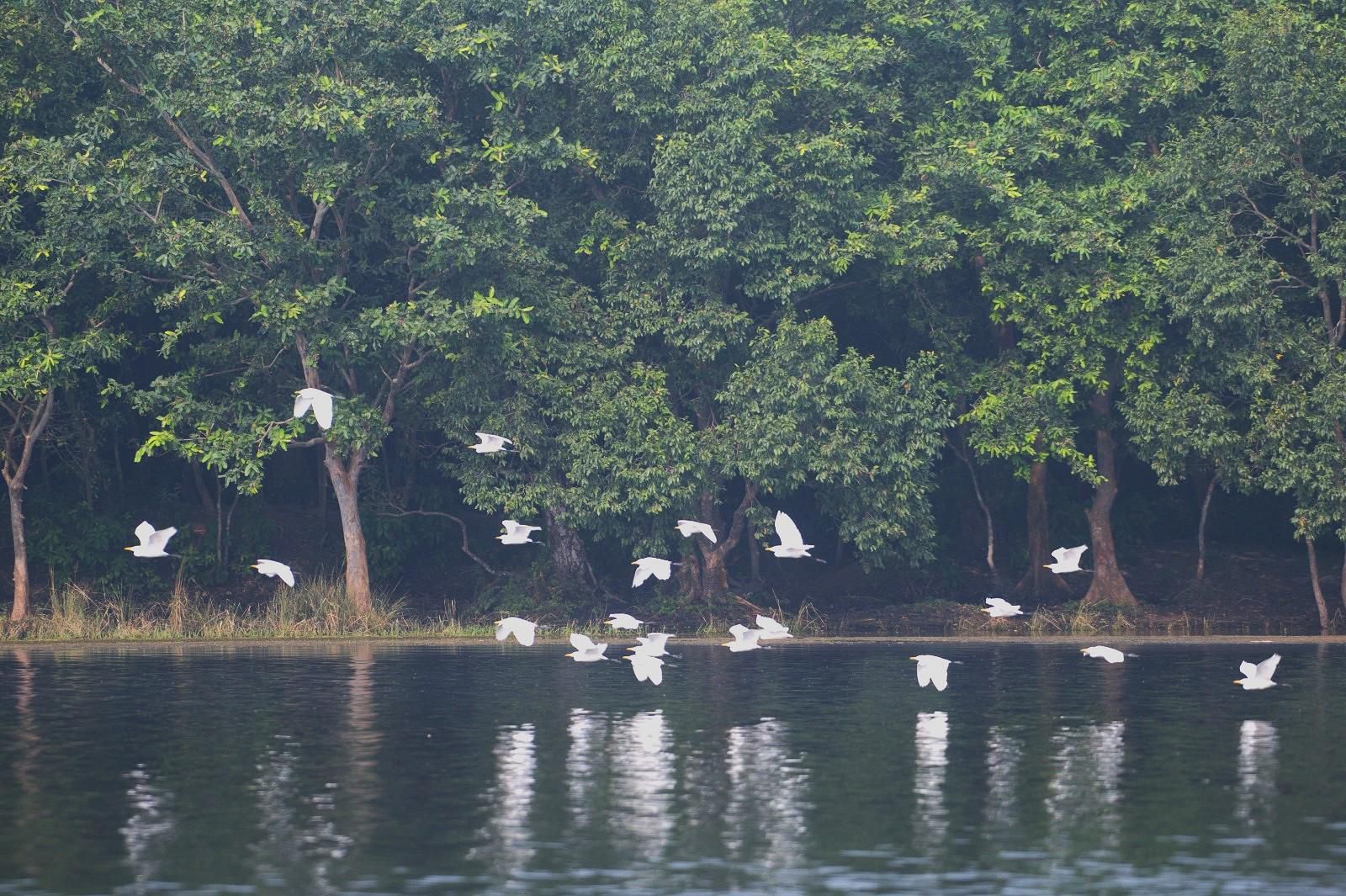
Gokul Jalashay, Udaipur Jheel Join Ramsar Elite List
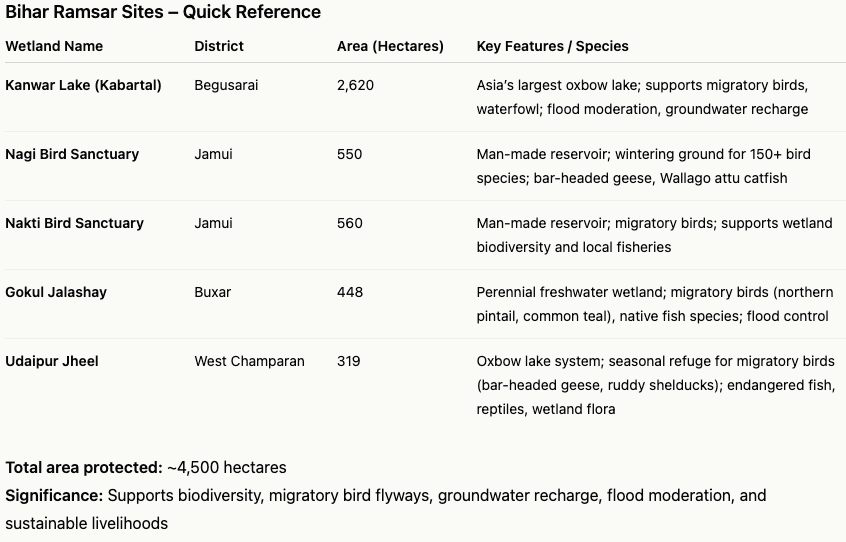
Patna: Bihar has taken a major step in wetland conservation with the inclusion of two more sites in the prestigious Ramsar Convention list, raising the state’s tally to five. The newly designated wetlands, Gokul Jalashay in Buxar district (448 hectares) and Udaipur Jheel in West Champaran district (319 hectares), were officially recognised on September 27, 2025. Their addition brings India’s total number of Ramsar sites to 93, placing the country among the global leaders in wetland conservation.
The Ramsar Convention, adopted in 1971 in Ramsar, Iran, is an international treaty dedicated to the conservation and sustainable use of wetlands. It identifies wetlands of international importance and commits its signatory countries to protect, manage, and wisely use these ecosystems. Wetlands are recognised not only for their biodiversity but also for their role in flood control, groundwater recharge, carbon sequestration, and supporting local livelihoods. As of 2025, there are over 2,500 Ramsar sites worldwide across more than 170 countries. Globally, the United Kingdom has the highest number of sites, followed by Mexico, while Bolivia leads in total area under Ramsar protection.
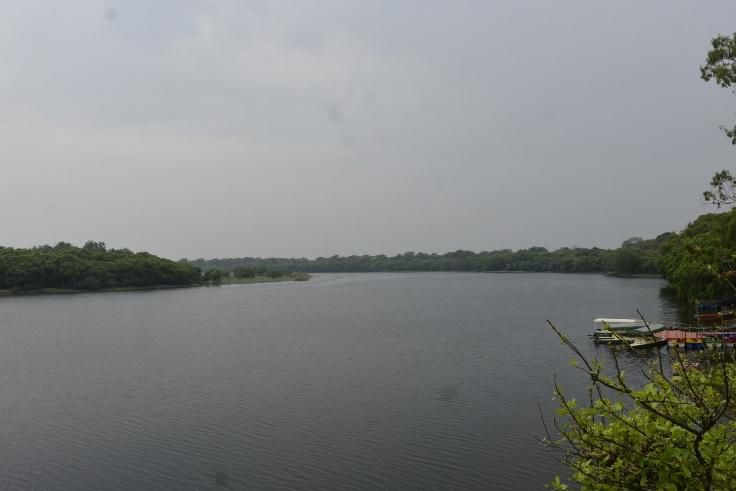
Gokul Jalashay, located near the Ganga in Buxar district, is a perennial freshwater wetland supporting a rich diversity of aquatic vegetation, native fish species critical for local livelihoods, and migratory birds such as the northern pintail and common teal. It plays a vital role in flood moderation, groundwater recharge, and maintaining the hydrological balance of the region. Its inclusion as a Ramsar site will provide stronger legal protection against encroachment and pollution, which have posed threats in recent years.
Udaipur Jheel, lying within the Udaypur Wildlife Sanctuary in West Champaran, is a natural oxbow lake system formed by the Gandaki River. It is a seasonal refuge for several migratory birds, including bar-headed geese, ruddy shelducks, and Eurasian wigeons. The lake also harbours endangered fish, reptiles, and wetland flora, contributing to the biodiversity of the Terai region. Ramsar recognition is expected to help control siltation and agricultural runoff, which threaten the lake’s ecological health.
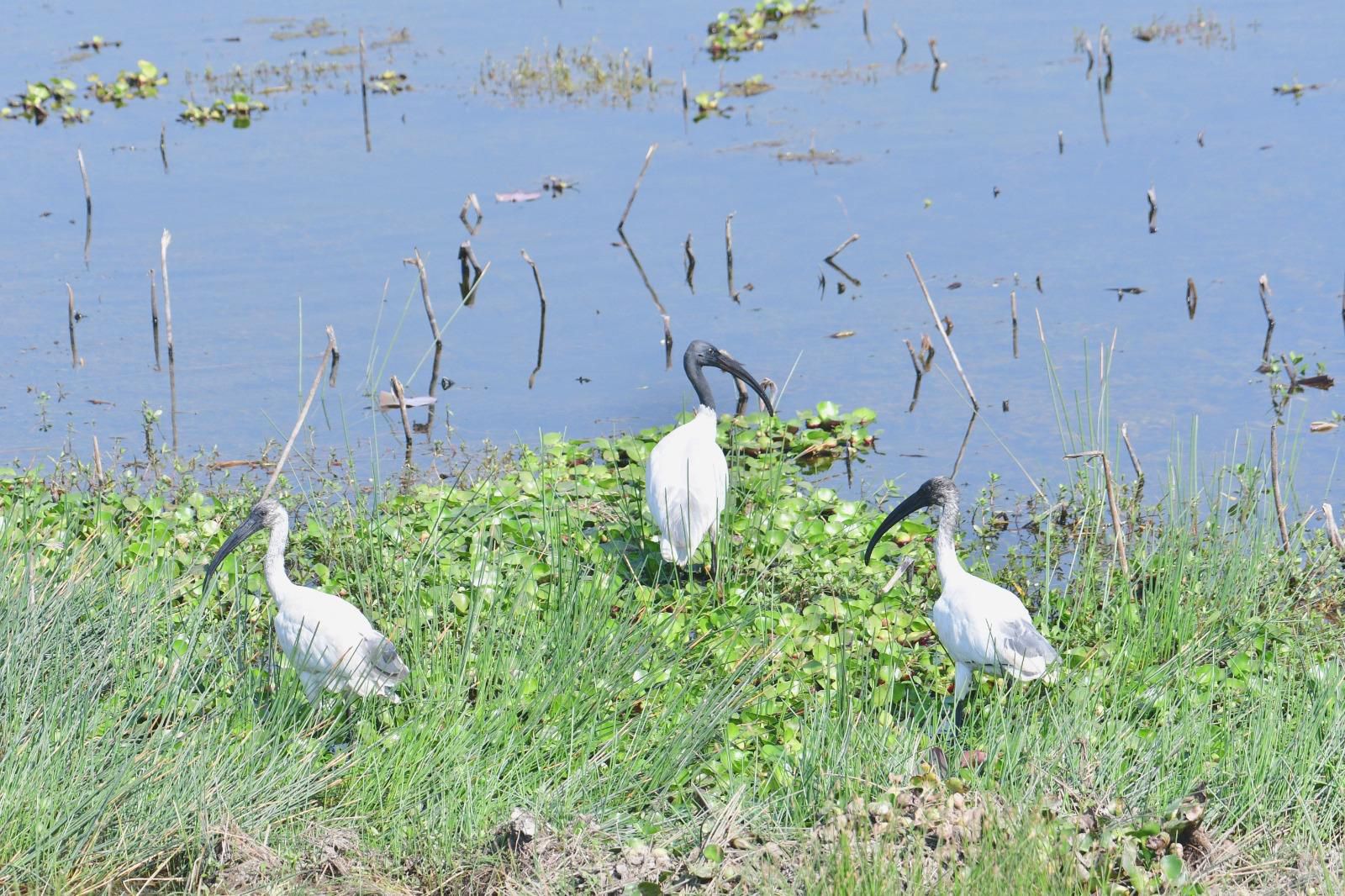
These two wetlands join Bihar’s three existing Ramsar sites — Kanwar Lake (Kabartal) in Begusarai district, designated in 2020 as Asia’s largest oxbow lake with an area of about 2,620 hectares, and Nagi and Nakti Bird Sanctuaries in Jamui district, listed in 2024 with a combined area of over 1,100 hectares. Nagi and Nakti are man-made reservoirs that have become key wintering grounds for over 150 bird species, including the vulnerable Wallago attu catfish and the globally important bar-headed goose. Together, Bihar’s five Ramsar sites now protect approximately 4,500 hectares of wetlands, contributing significantly to the Central Asian Flyway, which is used by migratory birds linking Siberia, Central Asia, and the Indian subcontinent.
Prime Minister Narendra Modi hailed the development as a proud moment for India’s environmental stewardship. Responding to Union Minister Bhupender Yadav’s post on social media, he wrote: “Wonderful news! Wetlands are vital to sustainable development. A special appreciation to the people of Bihar, who are showing in thought and action how to be at the forefront of environmental conservation.” Earlier, Yadav had tweeted: “India strengthens its commitment to wetlands conservation with the addition of two new Ramsar Sites from Bihar – Gokul Jalashay (448 ha) in Buxar district, and Udaipur Jheel (319 ha) in West Champaran district. This brings the total to 93 Ramsar Sites, spanning 13,60,719 hectares, underscoring India’s resolve to safeguard its rich wetland ecosystems for biodiversity, climate resilience, and sustainable livelihoods…”
Experts note that these designations not only boost conservation efforts but also raise India’s standing internationally. Since joining the Ramsar Convention in 1982, India’s Ramsar count has expanded rapidly. With 91 sites, India now ranks third globally in terms of the number of Ramsar sites, behind only the United Kingdom and Mexico. Among Indian states, Tamil Nadu leads with about 20 Ramsar sites, followed by Uttar Pradesh with around 10, while Bihar, with its five sites, occupies a mid-tier position but has shown strong growth—from just one site in 2020 to five in 2025.
Environmentalists and local communities have welcomed the decision, calling it a crucial step toward protecting fragile ecosystems amid mounting challenges such as climate change, urbanisation, and agricultural expansion. Conservationists believe the Ramsar status will attract funds for wetland restoration, promote eco-tourism, and improve livelihood opportunities for local populations.
– global bihari bureau