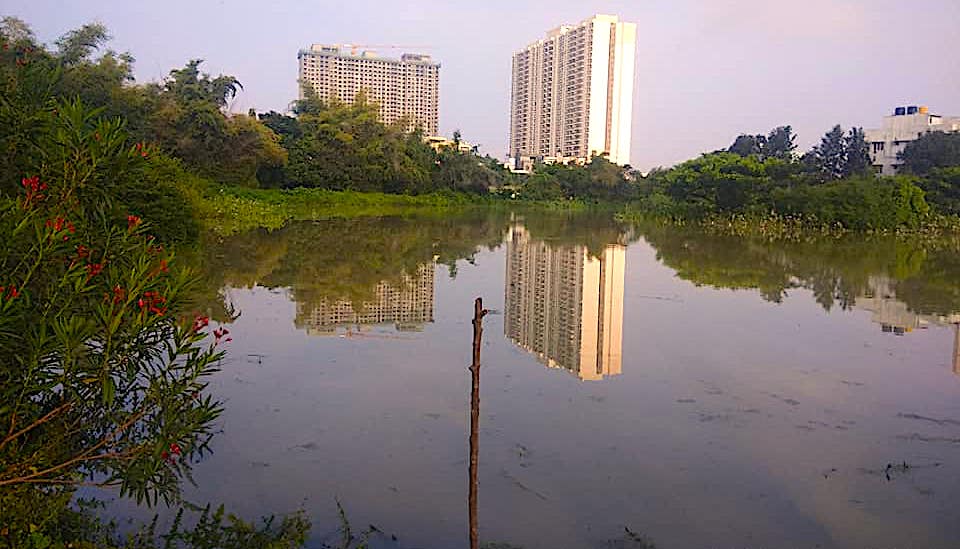
Akshayanagara lake in Bengaluru. Photo source: Akshaya nagara kere sutta mutta|Facebook
Bengaluru’s Lakes Cry for Revival as Crisis Looms
Water Woes Spur Bengaluru to Act on Conservation
Bengaluru: Bengaluru’s lakes, once the lifeblood of the city’s lush landscape, are drying up, choked by urban sprawl and neglect. Today, a gathering of activists, policymakers, and citizens in Vijayanagar sounded a clarion call to reverse this decline, framing water conservation as the city’s most pressing battle.
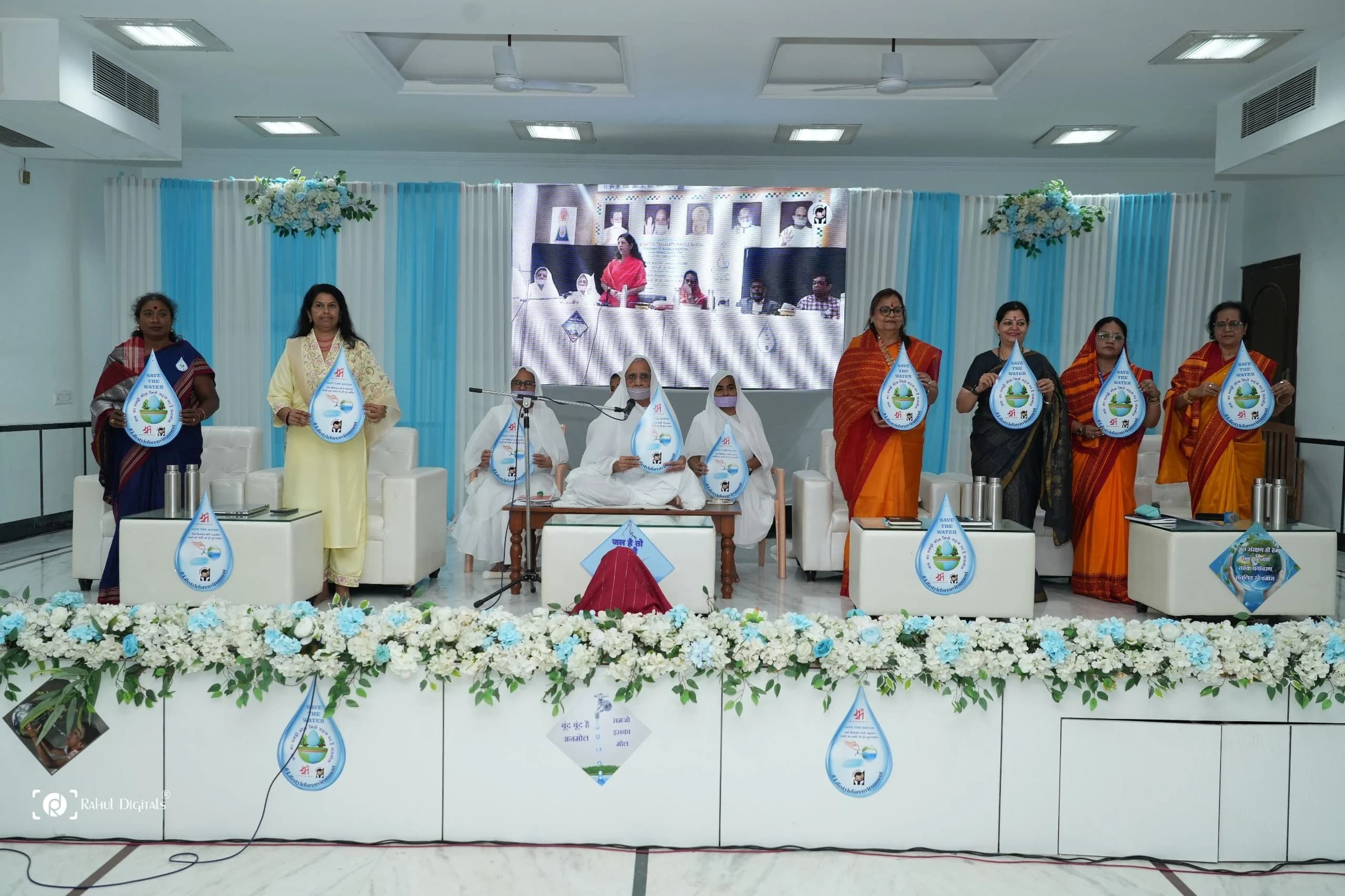
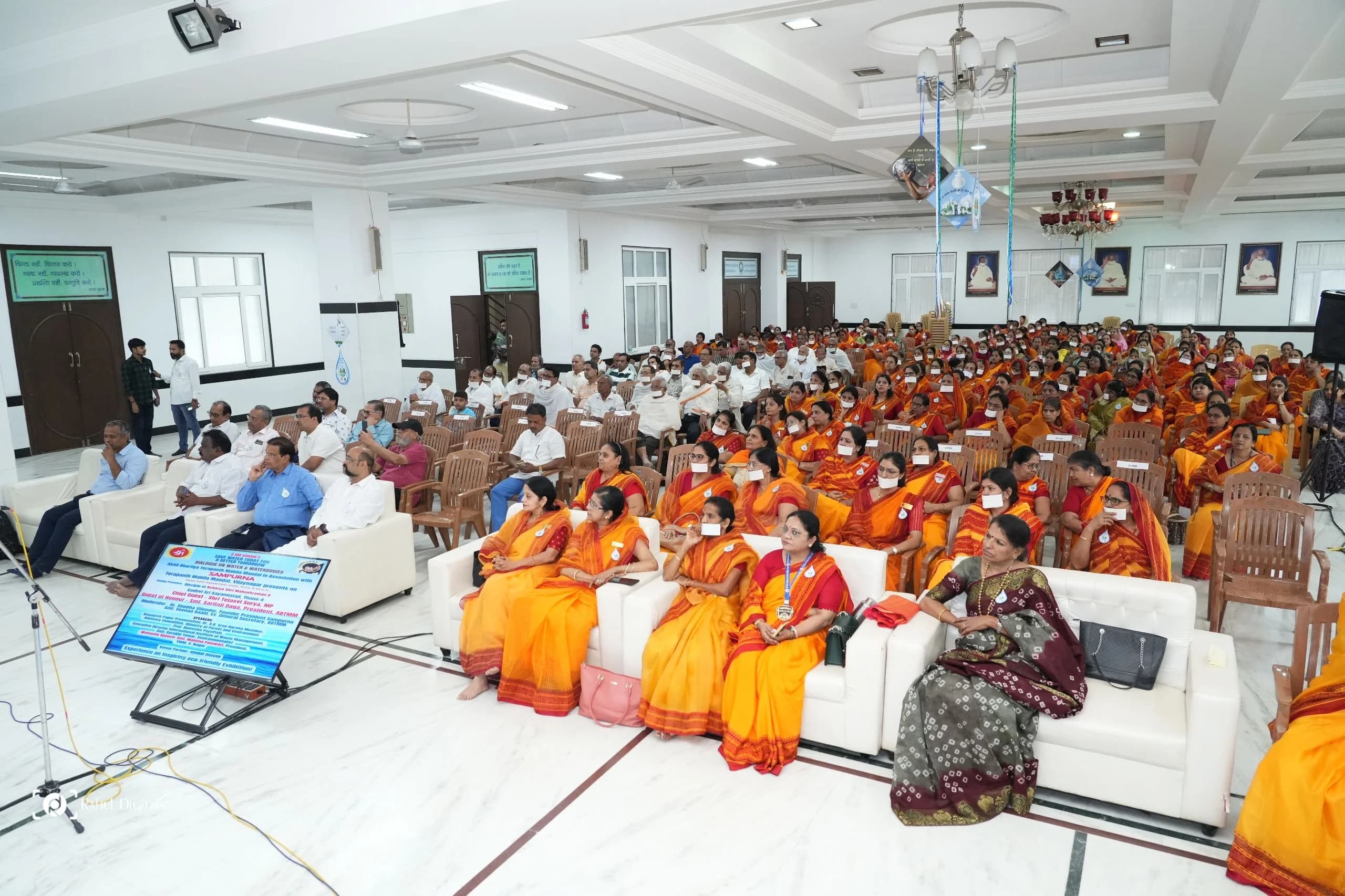
The Jal Samvad, organised by the women-led group Sampurna alongside Akhil Bhartiya Terapanth Mahila Mandal, rallied under the slogan “Water is Life, Water is Future,” urging Bengaluru to reclaim its water bodies before it’s too late.
The city’s water crisis is stark. Once home to over 1,000 lakes, Bengaluru now relies on a dwindling number of degraded water bodies, with many reduced to sewage pits or lost to construction.
The Jal Samvad, held at Arham Bhawan, brought together voices from government, science, and spirituality to confront this reality and chart a path forward.

Karnataka Legislative Assembly Speaker U.T. Khader Fareed, addressing the gathering, called Bengaluru’s lakes “our cultural and historical heritage” and pledged “concrete policy measures” to support their revival through community efforts. He highlighted the potential for women to lead this charge, noting their ability to galvanise society.
The event didn’t just dwell on the problem—it pushed for solutions. Dr. K.R. Sri Harsha, a member of the Ministry of Forest and Environment’s Advisory Committee, presented research showing how traditional water sources, revived through scientific techniques like rainwater harvesting, could ease Bengaluru’s water woes. “The revival of traditional water sources using scientific techniques and rainwater harvesting can provide a long-term solution,” he said. Environmentalist Venkatesh Sanghnal went further, advocating for rainwater harvesting as “the simplest and most effective method to address water scarcity” and a must for every urban household.
But saving Bengaluru’s water bodies demands more than technical fixes. Prof. Binisha Payattati of the International Waste Management Institute stressed the need for stricter laws and robust monitoring to clean water sources and manage solid waste, which often clogs lakes. “Strict laws, community participation, and strong government monitoring are essential,” she said. Additional Income Tax Commissioner Devangi Swarnkar echoed this, emphasising that “proper implementation of plans and active participation of local communities are key to a permanent solution to the water crisis.”
The Jal Samvad also tapped into a deeper moral urgency. Sadhvi Shri Sayamlata, a spiritual leader, framed water as a sacred trust, stating, “Water is a living element. Respecting and conserving it is a spiritual duty of every human being.” Social activist Brinda Adige called for a societal shift, saying, “Water conservation should not be treated merely as a technical issue but as a moral and social movement.”
Dr. Shobha Vijender, who led the event for Sampurna, captured the collective resolve, stating, “Water is life, and its conservation is the duty of every citizen.” Her words underscored the event’s core message: saving Bengaluru’s water is a shared responsibility, not just the government’s. Veenaa Baaid, in closing remarks, vowed to turn this vision into action, declaring, “This initiative will not remain limited to awareness alone. We pledge to turn water conservation into a people’s movement.”
As the event ended with the national anthem, participants took an oath to carry forward the message “Water is Life, Water is Future.” The Jal Samvad has set the stage for Bengaluru to fight for its water heritage, blending policy promises, scientific solutions, and community resolve.
With lakes disappearing and groundwater levels plummeting, the city’s future hinges on whether this momentum translates into action before the wells run dry.
– global bihari bureau