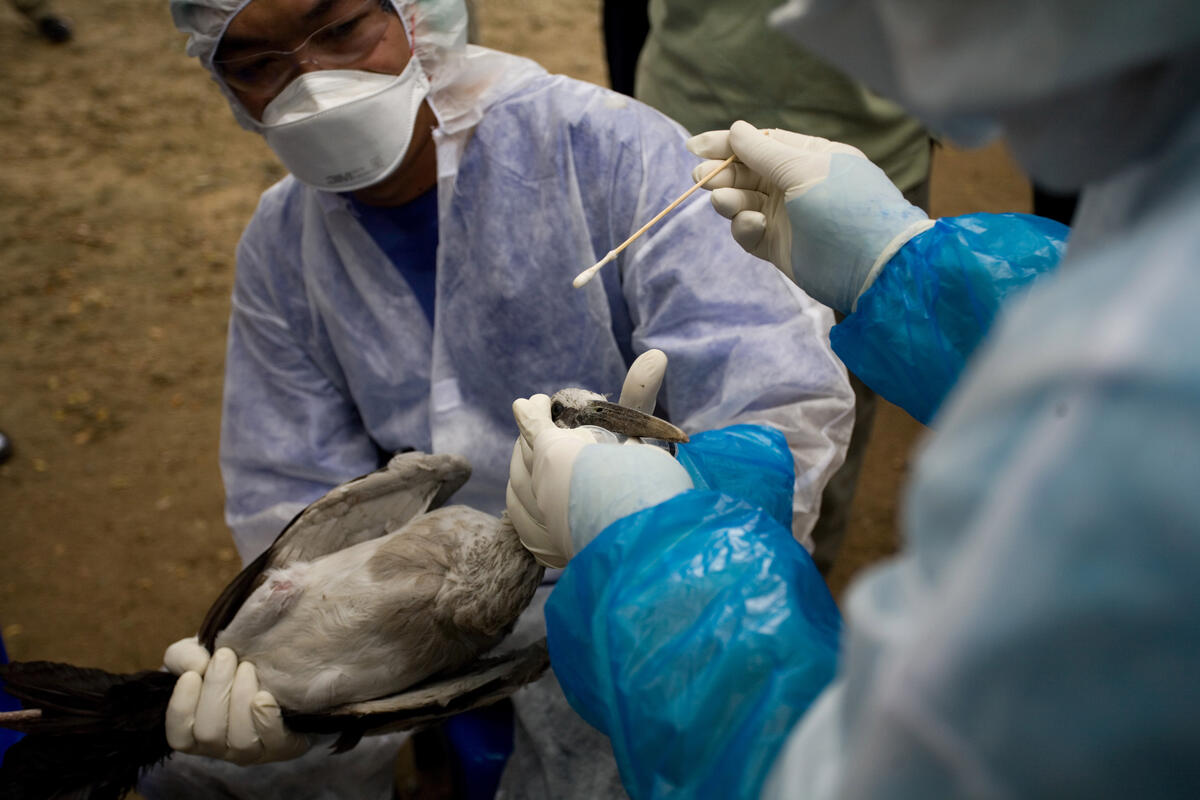
Since the outbreak, control measures such as quarantines, movement restrictions, heightened surveillance and culling of infected flocks have been implemented to mitigate the spread and impact. © FAO/A.K. Kimoto.
Bird Flu’s Global Bite: FAO Sounds Alarm
The global surge of avian influenza, commonly referred to as bird flu, has escalated into a critical threat not only to poultry but also to human health, wildlife ecosystems, food security, and global economies. Far from being a mere avian issue, this transboundary, zoonotic disease demands urgent global attention as it crosses species barriers, mutates rapidly, and disrupts livelihoods across continents. The Food and Agriculture Organization of the United Nations (FAO) is spearheading efforts to monitor, manage, and mitigate this crisis, emphasising the urgent need for coordinated international action to protect both human and animal well-being in an increasingly interconnected world.
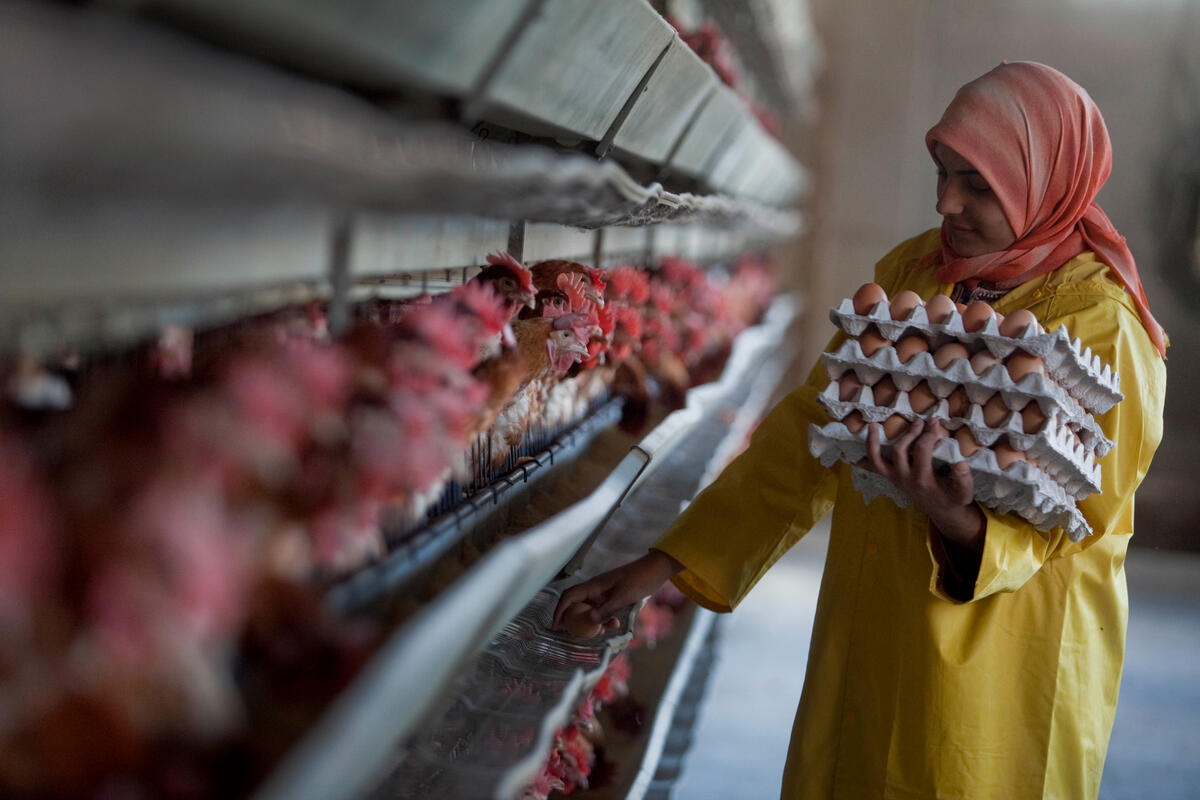
The intricate bond between humans and animals underscores the stakes of this crisis. Animals provide essential resources—food, clothing, transportation, and livelihoods—while fostering healthy ecosystems and offering companionship. However, with burgeoning populations, rapid urbanisation, and intensified global livestock production, humans and animals now share closer quarters than ever before. This proximity amplifies the critical importance of animal health, as diseases like avian influenza can leap from animals to humans, triggering profound consequences for public health, food systems, and economic stability. Monitoring animal health and disease outbreaks is paramount to saving lives, averting economic devastation, and preventing the spread of epidemics—diseases confined to specific regions—or pandemics, which span the globe. Avian influenza stands out as a serious threat to both human and animal health, with far-reaching implications.
It is transboundary and zoonotic, impacting wild animals, domestic animals and humans
Caused by influenza A viruses, avian influenza primarily affects wild and domestic birds but has demonstrated a troubling ability to infect other species. The current H5N1 Highly Pathogenic Avian Influenza (HPAI) outbreak, which began in late 2020, is exceptionally contagious and deadly, causing high mortality rates among poultry populations. The virus has also been detected in dairy cattle, foxes, seals, mountain lions, and even household pets, raising significant concerns about its potential to adapt to mammals and pose a direct risk to human health. This outbreak has decimated rare and ecologically vital wild bird species, while also crippling poultry industries, leading to egg shortages and disrupting global food supply chains. In cattle, the virus reduces milk production, and rare but concerning cases of infections among dairy workers have been reported. The FAO is actively monitoring these risks, collaborating with partners to provide joint assessments and monthly situation updates, ensuring that science-based guidance is available to help countries address the evolving threat and protect both animal and human populations.
It is mutating
As RNA viruses characterised by a ribonucleic acid (RNA) based genome, avian influenza strains mutate and evolve rapidly, giving rise to new variants that increase the likelihood of adaptation to mammals, including humans. According to the World Organisation for Animal Health, outbreaks in mammals more than doubled last year compared to 2023, heightening the risk of further spread and potential human transmission. Historical precedents, such as the 1918 Spanish Flu pandemic—an avian-origin H1N1 strain that infected 500 million people globally—illustrate the catastrophic potential of these viruses. The FAO’s vigilance in tracking these mutations is critical, utilising its global animal disease information system, EMPRES-i, to collect, analyse, and disseminate data on avian influenza and other diseases. By providing regular updates on zoonotic avian influenza strains, the FAO enhances global disease intelligence, empowering governments and decision-makers to implement informed response strategies to curb the virus’s spread.
It is everywhere
Since the H5N1 strain first emerged in Asia in 1996, avian influenza outbreaks have swept across the globe, facilitated by the long-distance migration of wild birds and exacerbated by poor poultry production practices, which remain a crucial risk factor for the introduction and spread of the virus. Today, H5N1 outbreaks have been reported in Africa, the Americas, Asia, Europe, and even Antarctica, where wildlife populations are now at risk. Since October 2022, over 3,400 outbreaks have been documented worldwide, necessitating stringent measures such as quarantines, movement restrictions, heightened surveillance, and the culling of infected flocks. These interventions, while necessary, have disrupted poultry industries, driving up food prices and limiting the availability of animal protein in many countries. The FAO plays a pivotal role in managing this global crisis, using EMPRES-i to provide real-time data and updates on HPAI viruses with zoonotic potential. By compiling and disseminating information, the FAO enables countries to implement effective control measures and mitigate the economic and social impacts of the disease.
It requires a global and coordinated response
The interconnected health of animals, humans, plants, and the environment demands a collaborative and multidisciplinary response to avian influenza. The FAO partners with the World Organisation for Animal Health, the World Health Organization, the United Nations Environment Programme, and national and regional authorities to prevent, detect, and respond to animal disease outbreaks. This includes training field veterinarians and laboratory technicians to rapidly identify and diagnose the disease, enabling swift action to contain outbreaks.
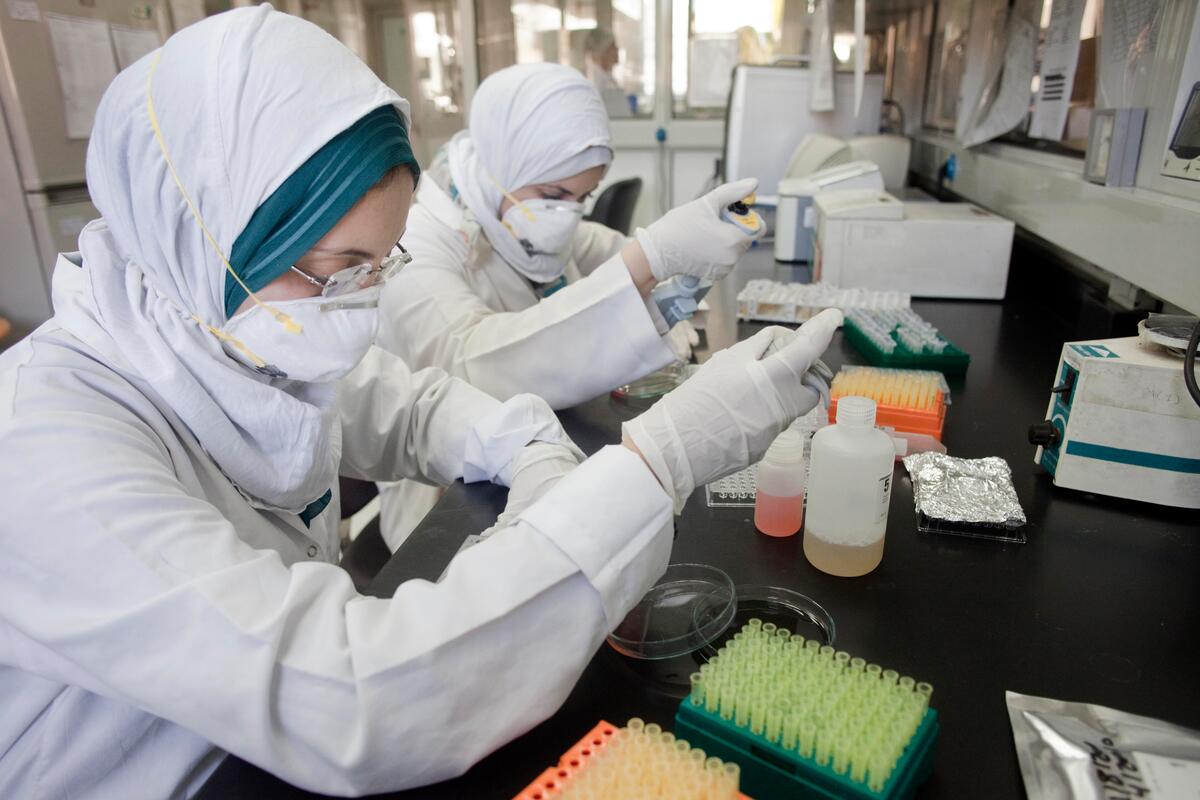
By addressing the disease at its source, the FAO helps prevent its spread to neighbouring farms, other animals, and humans, averting cross-border transmission and reducing the risk of economic losses, food insecurity, and price surges. Battling the outbreak where it occurs can halt the chain reaction that leads to broader economic and social consequences. As the virus continues its global spread, investing in monitoring, early detection, and response capacities is essential to minimising its impact on economies, livelihoods, and well-being.
The avian influenza crisis serves as a stark reminder of the fragility of our shared ecosystems and the urgent need for proactive measures to protect both human and animal health. Through its relentless efforts, the FAO is working to contain this global threat, but the battle requires sustained international cooperation and investment. As the virus continues to evolve and spread, staying vigilant and prepared is not merely an option—it is an imperative to safeguard our collective future.
Source: The FAO News And Media Office, Rome
– global bihari bureau