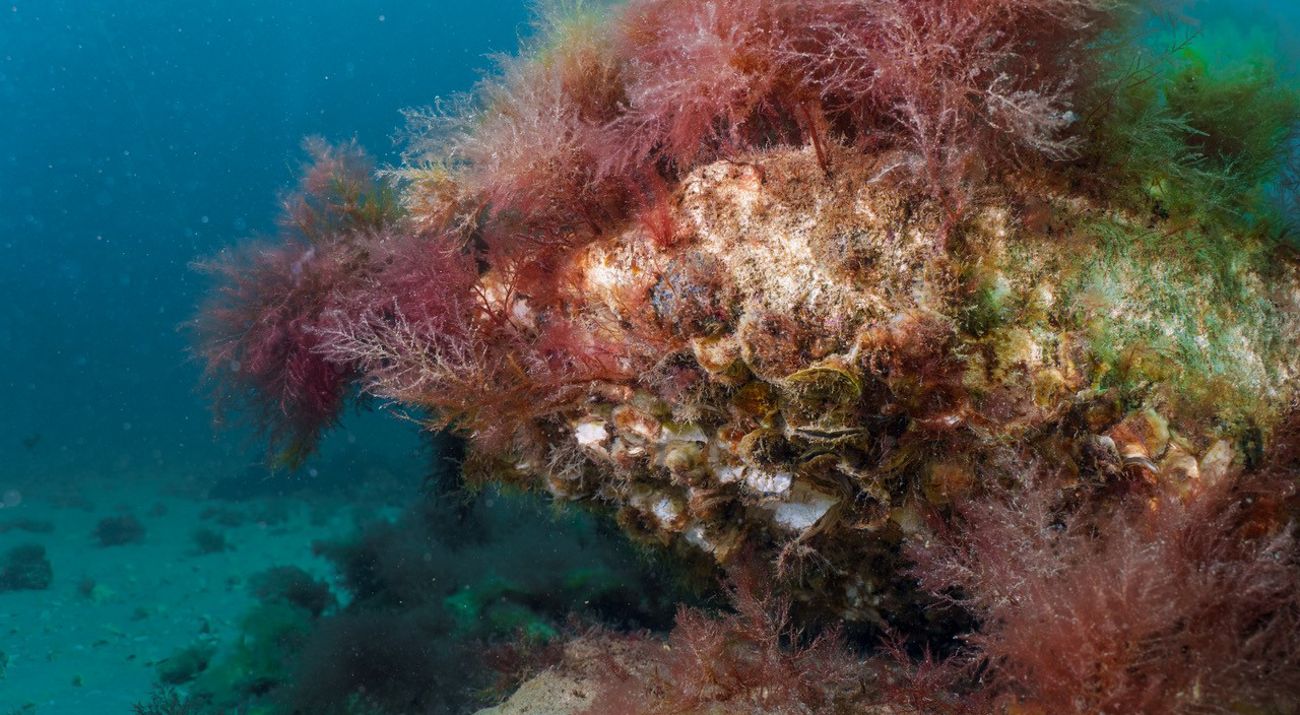
A healthy restored reef Dromana, Victoria © TNC Australia
UN flags three global restoration leaders for Indigenous action
Indigenous-led community-driven models of ecosystem revival earn the UN’s top recognition
Nairobi/Rome: A reef-builder along Australia’s coast, salmon returning to ancestral rivers in Canada, and South Africa’s drylands slowly turning green again — these are the stories the United Nations hopes will inspire the world. The UN today honoured these three initiatives as new World Restoration Flagships for their science-driven and community-led repair of damaged ecosystems – bringing global attention to Indigenous community-led models of ecosystem revival that blend traditional knowledge with cutting-edge science.
Announced ahead of the seventh UN Environment Assembly (UNEA-7), the recognition forms part of the UN Decade on Ecosystem Restoration (2021–2030), jointly led by the United Nations Environment Programme (UNEP) and the Food and Agriculture Organization (FAO). The World Restoration Flagships represent some of the most ambitious and long-term restoration programmes in the world, designed to strengthen agrifood systems, reverse biodiversity loss and build climate resilience.
UN officials noted that the most successful restoration projects are those where local and Indigenous communities are not just stakeholders but decision-makers. “Real ecosystem restoration is accomplished from the ground up,” said FAO Director-General QU Dongyu. “With Indigenous Peoples and local communities at the centre, these new Flagships demonstrate the power of partnerships that bridge ancient wisdom with modern innovation.” UNEP Executive Director Inger Andersen added that the cumulative effect of such projects is transformative. “One hectare at a time, governments, communities and partners are restoring forests, grasslands, shrublands, coastlines and marine environments,” she said. “By combining lessons from Indigenous Peoples with modern science, we are restoring damaged ecosystems. One hectare at a time.”
New global restoration flagships show nature can be revived
The newly designated Shellfish Reef Building Programme in Australia highlights the scale of ambition behind this recognition. Native oyster and mussel reefs that once thrived along the southern coastline are now regarded as critically endangered due to historic overharvesting, sedimentation and pollution. The Nature Conservancy and the Australian Government launched the Reef Builder programme in 13 sites between 2021 and 2023, with the goal of restoring shellfish reefs across 30 per cent of their historical extent by 2030. Early results are considered remarkable: the project has removed nearly 15 tonnes of nutrient pollution, boosted fish stocks and triggered significant biodiversity gains. It has also generated more than 425 jobs and supported over 50 small and medium enterprises across coastal towns, strengthening both environmental stewardship and local economies. Australia’s Minister for the Environment and Water, Murray Watt, described Reef Builder as “a natural solution to some of our greatest conservation challenges,” and said its recognition as a UN World Restoration Flagship reflects Australia’s leadership in large-scale marine ecosystem recovery.
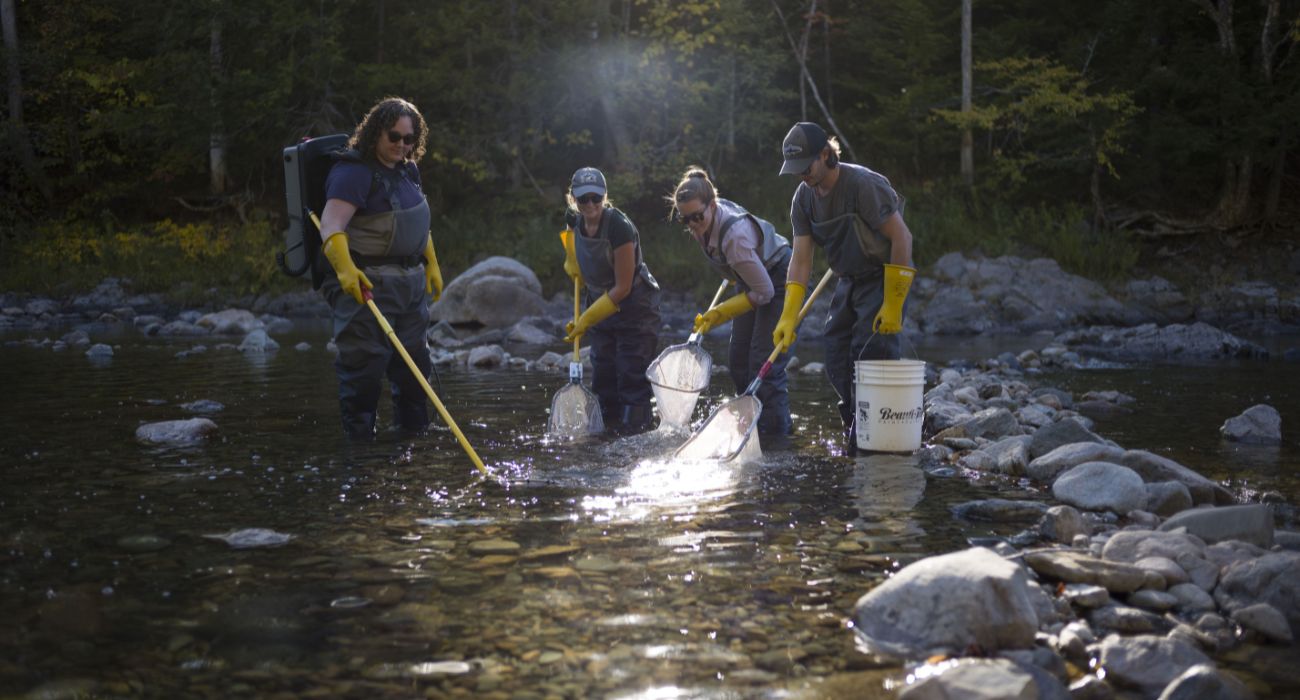
The second initiative, Respectful Returns: Restoring Resilience to Salmon Ecosystems in Canada, is driven by the cultural, ecological and economic significance of salmon in Indigenous and coastal communities. Parks Canada has worked since 2010 with Indigenous Peoples and local partners to rehabilitate rivers and streams within seven national parks across both the Pacific and Atlantic coasts. The initiative has restored more than 65,000 hectares of land and 228 kilometres of waterways and has integrated new scientific tools with traditional ecological knowledge to repair spawning grounds and improve river connectivity. The effort has created more than 100 jobs, built partnerships with 32 organisations and communities, and supported research in three universities. By restoring habitats, reinforcing community leadership and strengthening ties between people and nature, the initiative seeks to secure a long-term future for salmon species under increasing pressure from climate change, habitat disruption and pollution.
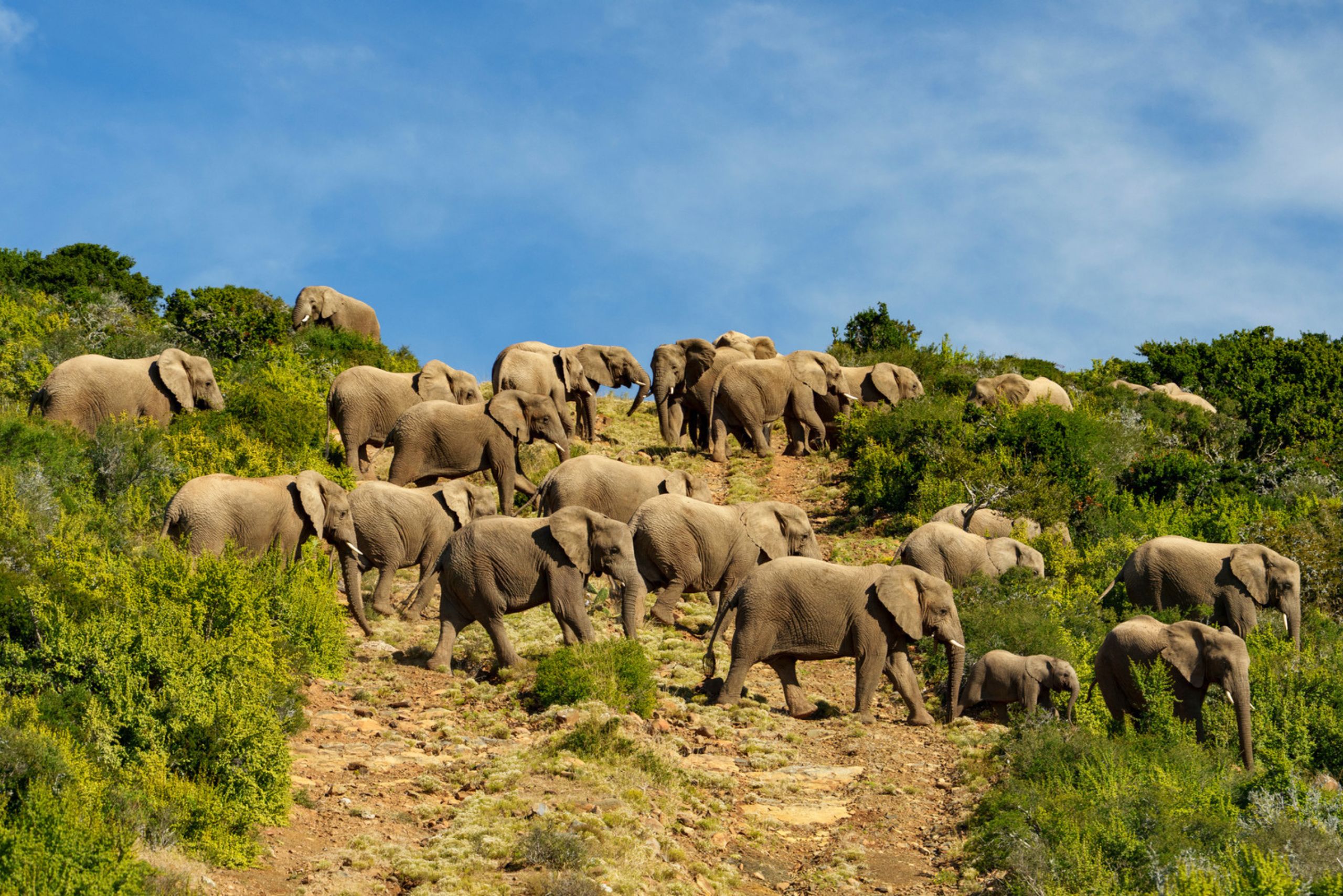
South Africa’s Thicket Restoration Movement, the third newly designated flagship, brings together more than 60 initiatives across the Eastern and Western Cape to revive one of the country’s most biodiverse yet degraded ecosystems: the native subtropical thicket. With a target of restoring 800,000 hectares by 2030, the movement focuses on planting native trees and shrubs, managing invasive species, improving soil resilience and creating fodder reserves for large mammals during prolonged droughts. The effort responds directly to the region’s extreme vulnerability, underscored by the worst drought in a century in 2023–24. Thicket restoration supports a rich network of wildlife, including African elephants and black rhinos, whose habitats have long been under threat. The programme is also projected to create more than 1,000 rural jobs and improve livelihoods for nearly two million people while sequestering up to eight million tonnes of CO₂ annually—equivalent to offsetting emissions from roughly 20 gas-fired power plants.
These three initiatives join the existing portfolio of 27 World Restoration Flagships. Together, they now account for the restoration of over 18 million hectares of ecosystems worldwide, with plans to eventually restore more than 68 million hectares. Countries have already pledged to restore one billion hectares globally as part of their commitments to the Paris Agreement, the Kunming-Montreal Global Biodiversity Framework, the Land Degradation Neutrality targets and the Bonn Challenge. The UN emphasised that the Flagship model helps the world understand not only where restoration is happening but also how, ensuring transparency through the Framework for Ecosystem Restoration Monitoring, which tracks progress across the UN Decade.
Officials at UNEA-7 say the cumulative message is clear: ecosystem restoration is not only an environmental priority, but also an economic and social one. When Indigenous knowledge and scientific research converge and communities lead the work on the ground, both people and nature thrive together. By restoring land, water and coastal ecosystems, the newly designated flagships represent a blueprint for climate resilience, sustainable livelihoods and shared stewardship of the natural world.
– global bihari bureau