UN Event Highlights Women Farmers’ Rights in Rome
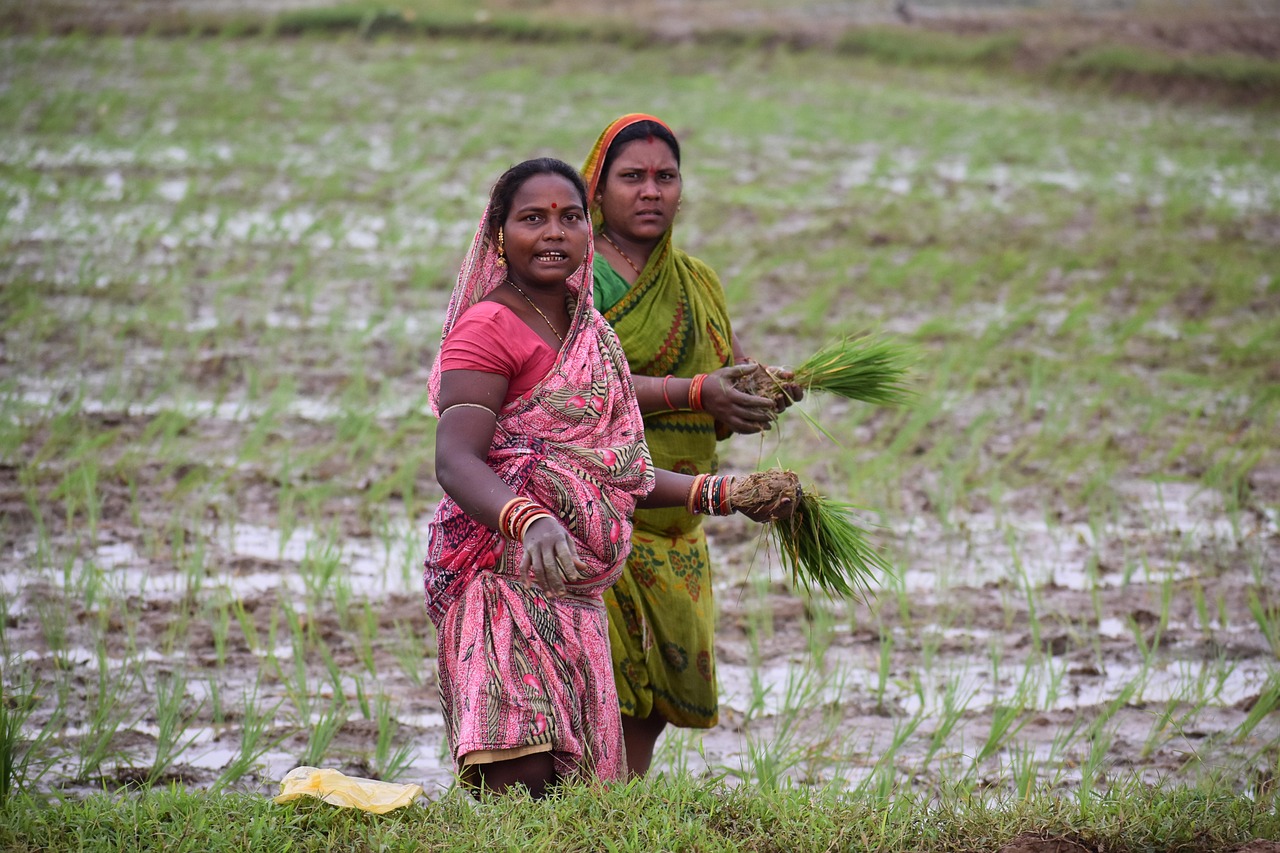
Rome: Three United Nations food and agriculture agencies today used an event ahead of International Women’s Day to call for stronger policies and investment to improve women farmers’ access to land, finance and justice systems, arguing that greater equality in agriculture could boost food security and rural economies worldwide.
The event, held at the headquarters of the Food and Agriculture Organization of the United Nations (FAO) and organised jointly with the International Fund for Agricultural Development and the United Nations World Food Programme, brought together government representatives, farmers’ organisations and rural development practitioners to discuss barriers that continue to limit women’s participation in agrifood systems.
This year’s International Women’s Day, observed on March 8, carries the global theme “Rights. Justice. Action. For All Women and Girls.” The commemoration also coincides with the International Year of the Woman Farmer 2026, during which the three Rome-based United Nations agencies say they intend to work more closely with governments and development partners to promote policies and investments that improve women farmers’ access to resources, justice systems and leadership roles in agriculture.
Opening the event with a video message, Qu Dongyu, Director-General of FAO, said women remain central to global agrifood systems yet often receive less recognition and fewer opportunities than men. He noted that women often shoulder significant responsibilities within households and agricultural production while facing more difficult working conditions. Strengthening women farmers’ position, he said, can improve food security, support rural development and contribute to more resilient and inclusive food systems.
According to Gérardine Mukeshimana, Vice-President of the International Fund for Agricultural Development, evidence consistently shows that greater equality in agrifood systems benefits entire rural economies. When women gain equal access to agricultural opportunities and services, she said, productivity increases, household incomes rise, and communities become more resilient to economic and climate shocks.
Cindy McCain, Executive Director of the United Nations World Food Programme, also highlighted the role women play in addressing hunger globally. Even in regions facing conflict or extreme hardship, she said, women often ensure that families and communities have food. Yet many remain excluded from land ownership, financial services and agricultural tools that could enhance their productivity and livelihoods. Addressing these inequalities, she said, is essential to expanding women’s leadership and strengthening global efforts to end hunger.
Panel discussions during the gathering examined the structural barriers women encounter across agrifood systems. Participants noted that women farmers in many regions continue to face limited access to land titles, credit, agricultural services, information networks and social protection programmes. Speakers said these constraints can restrict women’s economic opportunities and reduce their ability to benefit fully from agricultural markets.
A policy-focused session explored how governments and institutions could address such challenges. Contributions came from Marija Milivojević, Minister Counsellor and Deputy Permanent Representative of Sweden to FAO, and Tarifa Ajeif Alzaabi, Director-General of the International Centre for Biosaline Agriculture. Their interventions emphasised governance measures aimed at strengthening women’s legal rights and improving access to essential services in rural areas.
Another panel brought together representatives of farmers’ organisations and community-based initiatives from several regions, reflecting the diversity of women’s participation in agriculture. These included Italy’s Coldiretti Fondazione Campagna Amica, which promotes local food supply chains; India’s Self Employed Women’s Association, a major trade union representing women workers in the informal economy; the Spanish Federation of Associations of Rural Women; the Ligue des Organisations des Femmes Paysannes du Congo from the Democratic Republic of the Congo; and the Alexandria Chamber of Commerce, which presented its farmers’ market initiative in Egypt.
Representatives described the practical challenges women farmers often encounter in securing land rights, accessing financial services or navigating administrative and legal procedures. At the same time, they shared examples of farmers’ networks and grassroots programmes designed to improve legal awareness, strengthen collective bargaining power and expand market opportunities for rural women.
Alongside the discussions, the programme included cultural and educational activities highlighting women’s contributions to food systems. Participants visited an exhibition at FAO’s Food and Agriculture Museum featuring tools, photographs, traditional products and personal stories reflecting women’s roles in agriculture and food heritage. A live cooking demonstration led by women farmers and chefs showcased traditional recipes and the transmission of culinary knowledge across generations, highlighting women’s influence on nutrition, biodiversity and local value chains.
A photography exhibition linked to projects financed by the International Fund for Agricultural Development was also displayed in the atrium of the FAO building. The exhibition highlighted women farmers and agricultural entrepreneurs involved in development initiatives across several regions.
As part of the International Year of the Woman Farmer 2026, the event also featured the presentation of a commemorative five-euro silver coin produced by the Istituto Poligrafico e Zecca dello Stato, Italy’s state mint. The coin carries the official emblem of the year and design elements representing women’s roles in agriculture, fisheries, livestock and forestry.
At the conclusion of the gathering, the three United Nations agencies said continued cooperation among governments, development partners, and farmers’ organisations would be essential to expand women farmers’ access to justice, resources and leadership opportunities across agrifood systems. Under a rotating arrangement between the agencies, responsibility for organising the next joint observance will pass to the International Fund for Agricultural Development, which is expected to host the 2027 edition of the event.
– global bihari bureau