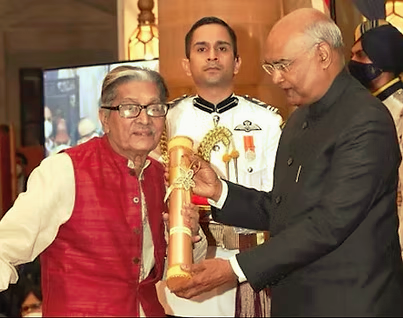
The then Hon'ble President of India Ram Nath Kovind presenting Padmashri to DP Sinha in 2020.
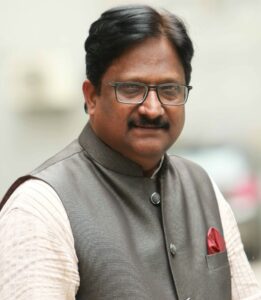 By Sudesh Verma*
DP Sinha: Architect of a Rooted Hindi Stage
The Playwright Who Gave India Its Own Voice and Broke Cultural Monopolies

When Daya Prakash Sinha, the man everyone in the theatre called DP, breathed his last on November 7, 2025, at the age of ninety, an entire era of Hindi drama seemed to lower its final curtain. Born in 1935 in Kasganj, Uttar Pradesh, he lived long enough to see the cultural landscape he had helped reshape, yet left before the applause could grow loud enough for the world outside theatre corridors to hear. In the mid-20th-century theatre scene, where established currents often drowned out fresh currents, Sinha emerged as a rare builder of bridges. He didn’t merely critique; he constructed—offering stages, scholarships, and solidarity to playwrights and performers sidelined by the mainstream.
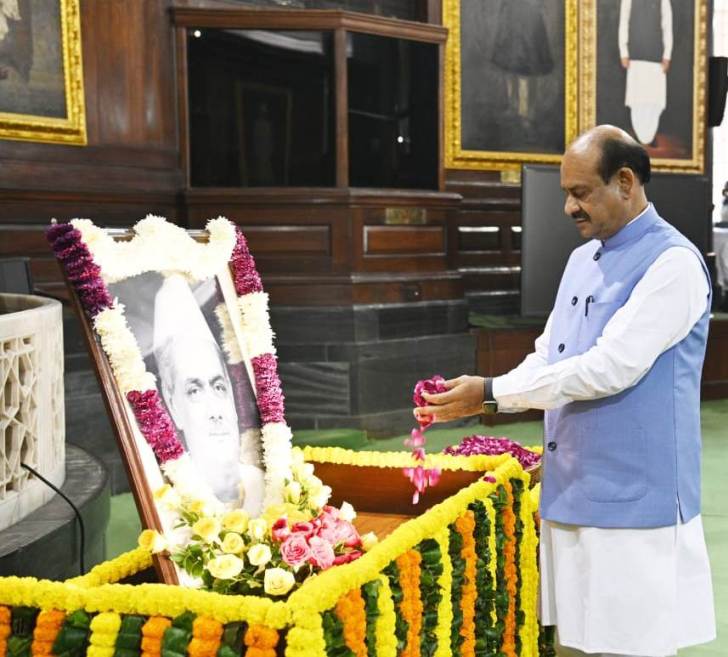
The memorial meeting on November 16 in Delhi told its own story. Hundreds of directors, actors and writers who rarely agree on anything stood together in silence, then spoke with one voice: they had lost not just a senior colleague but the man who had opened doors for them when most doors were firmly shut. The hundreds who filed past his bier were no mere courtesy callers; they were living proofs of destinies redirected, careers kindled by his belief in their potential. One sentence floated above the rest—“Sanskar Bharati will never feel the same again.” Though he never presided over it, the organisation’s soul bore his imprint for decades. The leading directors, actors and playwrights who came to pay homage that afternoon were living proof that merit, patiently supported, can eventually displace monopoly. Shyamendra, whom he treated like a son, remembered a mentor who could spot genuine talent from a mile away and shield it from both mediocrity and opportunism.
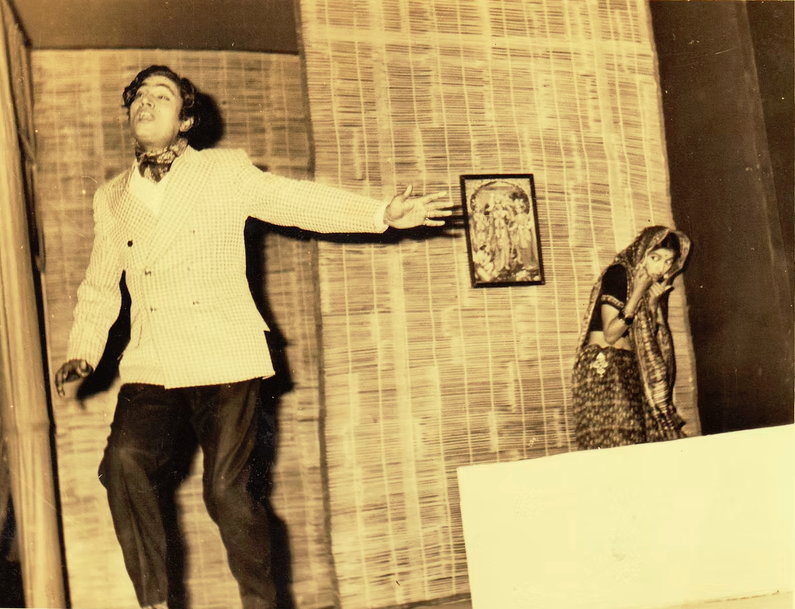
In an age when a Leftist ideological current dominated India’s theatre and fine-arts world almost without challenge, Sinha chose a different path: he built parallel ecosystems of excellence. When political fortunes shifted in the 1990s and 2000s, many who had long enjoyed institutional favour suddenly discovered the virtues of cultural pluralism. DP Sinha listened politely, then quietly ensured that the platforms he had built remained loyal to artistic merit rather than to yesterday’s gatekeepers in new attire. That single, understated act of vigilance—never trumpeted, always effective—guaranteed that an entire generation of rooted artists would not be re-absorbed into the very monopoly he had spent his life gently, relentlessly dismantling. At Mandi House, the very citadel of the Left dominance, his students and protégés claimed space not by shouting slogans but by the sheer power of scripts and performances that moved audiences and withstood scrutiny. They succeeded because Sinha believed that excellence rooted in India’s own civilisational memory could, in time, outshine any imposed ideology.
Sinha’s voice, when it rose, carried the weight of lived conviction. His moral courage surfaced whenever cultural sensibility itself was under assault. He spoke out when reverence was wounded. One of the earliest to question MF Husain’s provocative depictions of Hindu deities, he asked a question no amount of theory could deflect: “Would the painter have treated his own mother the same way?” For him, freedom was sacred, but never a licence to injure what millions hold dear.
For him, creativity’s boundless reach ended where respect began—art as upliftment, a mirror to nobility rather than a weapon of discord. Yet he shunned the glare of public forums, quipping that his arena was the script and the spotlight, not the fleeting fray of televised exchanges. He refused the easy glamour of television debates. His battles were waged in libraries and green rooms, armed with the quiet power of erudition. “My war is fought in rehearsal rooms and on the page,” he would say, and went back to writing plays, guiding young directors, and strengthening institutions that would outlast any regime.
The honours came late but came in a cascade. The accolades that crowned his labours spoke volumes of a mastery few could rival: Sangeet Natak Akademi Award (2001), Padma Shri (2020), Sahitya Akademi Award (2021), and finally the Sangeet Natak Akademi Fellowship—recognition in both performing arts and literature that remains unique in the country’s history. Fifteen published Hindi plays, translated into several Indian languages—Samrat Ashok, Rakt Abhishek, Katha Ek Kans Ki, Seedhiyan, Itihas Chakra, Saadar Aapka and others—have echoed in festivals, classrooms, and community halls nationwide, finding a permanent place in syllabi and in the living memory of audiences who discover in them both spectacle and substance. More than a dozen doctoral theses and over a hundred scholarly essays on the craft of acting, heritage, and stagecraft bear witness to a mind that never stopped teaching.
His scripts didn’t just entertain; they probed the human spirit, blending historical grandeur with moral inquiry, inviting audiences to reflect on their own narratives.
Under former prime minister Atal Bihari Vajpayee, he convened the Bharatiya Janata Party (BJP)’s Cultural Cell with characteristic understatement, using the position to open doors for voices rooted in India’s own narrative traditions. Later, as Vice-President of the Indian Council for Cultural Relations, he carried the same spirit onto the global stage, always persuasive, never strident.
DP Sinha never sought the spotlight, and the spotlight, for reasons the theatre world understands only too well, rarely sought him. Yet every time one of his plays is staged, every time a young actor discovers the power of a line he wrote, the stage belongs to him again. He was not merely a playwright or administrator; he was the quiet, unbreakable bridge between India’s ancient storytelling tradition and its living future. That bridge still stands, and thousands walk across it every day without always knowing the name of the man who built it.
With his death, India lost the one individual who had most effectively challenged and rolled back the Left’s near-total hegemony over theatre, literature and cultural institutions for seven decades. That struggle, waged without noise or bitterness, yet with iron resolve, defined his life and explains both the reverence he commanded among artists and the curious silence that often surrounded his name in establishment circles.
*Sudesh Verma is a former spokesperson of the BJP. The views expressed are personal.