LPG Hoarding Pushes Cylinder Prices to ₹3,000
New Delhi: From restaurants and street vendors to ordinary households, consumers in several parts of India say they are struggling to obtain cooking gas at official rates as hoarding and black-marketing of liquefied petroleum gas (LPG) cylinders push prices in the informal market to between ₹2,000 and ₹3,000, triggering widespread complaints despite government assurances that national supplies remain stable.
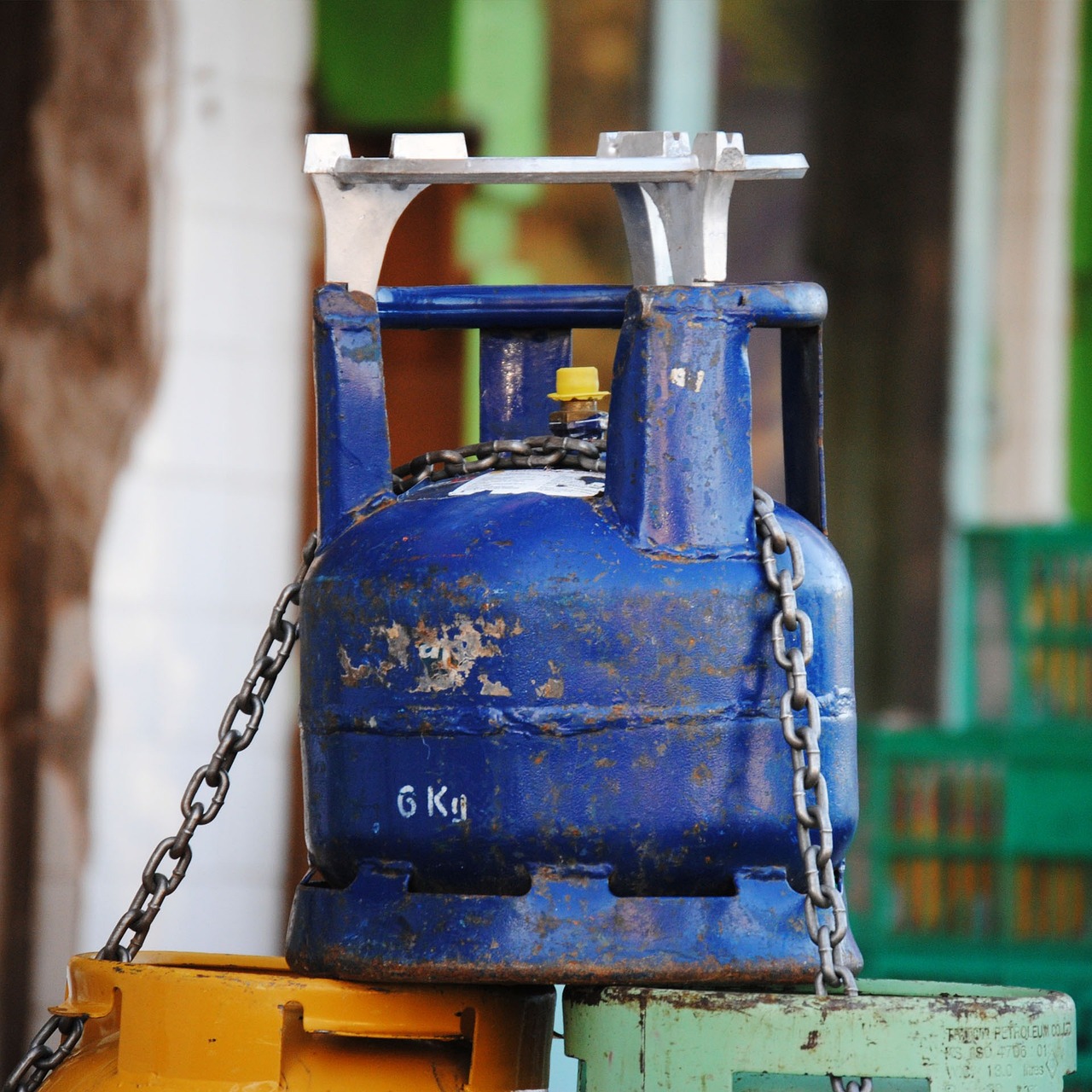
Reports from multiple cities indicate that both domestic and commercial LPG cylinders are increasingly being sold at inflated prices outside authorised distribution channels, as fears of supply disruptions have led to panic buying and illegal stockpiling. Small eateries, caterers and food vendors appear to be among the worst affected, with many saying they have been forced to pay steep premiums to secure commercial cylinders needed to keep their kitchens running.
Authorities in several states have launched enforcement drives against hoarding and black-market networks. In Tamil Nadu, officials arrested a gas agency operator in Coimbatore, accused of illegally storing a large number of commercial cylinders allegedly intended for resale at several times the official rate. In Madurai, enforcement teams seized hundreds of cylinders from premises suspected of being used as illegal storage facilities. Similar raids have also been reported in Mumbai, where food and civil supplies authorities confiscated more than a hundred cylinders during operations targeting suspected black-market traders. Inspections have also been intensified in other regions as state authorities tighten monitoring of LPG distribution channels.
Despite these actions, consumer complaints continue to surface. Restaurant owners in several cities say commercial cylinders are either unavailable through authorised distributors or are being delivered after long delays, forcing them to turn to informal suppliers who demand much higher prices. Many small businesses say the sudden escalation in cooking fuel costs is threatening their viability, particularly at a time when food prices and operating expenses are already under pressure.
Households have also reported difficulties in obtaining timely refills. Oil marketing companies say refill bookings surged sharply in recent days as consumers rushed to secure additional cylinders amid rumours of supply shortages. In some major cities, daily booking volumes multiplied several times within a short period, straining distribution networks even though storage depots and bottling plants continued operating normally.
Government figures suggest that panic booking may now be easing. Daily LPG bookings recently declined to around 77 lakh compared with nearly 88.8 lakh recorded earlier in the week, while digital bookings through online platforms have risen to about 87 per cent as consumers increasingly place orders through mobile applications, short message service (SMS) systems and interactive voice response service (IVRS) calls.
Officials say the surge in demand has been driven largely by anxiety over possible disruptions to LPG shipments passing through the strategically vital Strait of Hormuz, through which a significant share of India’s imported cooking gas is transported. The narrow maritime corridor linking the Persian Gulf with the Arabian Sea has become a focal point of geopolitical tensions in recent weeks, raising concerns across global energy markets about the safety of commercial shipping.
Energy analysts say India’s vulnerability to such supply anxiety stems from its heavy dependence on imported LPG. While domestic refineries produce a portion of the country’s cooking gas requirements, more than half of India’s LPG consumption is met through imports, much of it sourced from producers in the Gulf region and shipped through the Strait of Hormuz. As a result, even the perception of disruption in the maritime corridor can quickly ripple through domestic markets, prompting precautionary bookings by consumers and creating opportunities for hoarding and black-market trading.
In a development closely watched by energy planners in New Delhi, two India-bound LPG carriers — Shivalik and Nanda Devi — successfully transited the strait carrying more than 92,000 metric tonnes of LPG from Qatar and are currently on passage to western Indian ports.
External Affairs Minister Subrahmanyam Jaishankar said the ships’ passage had been secured through diplomatic coordination with regional authorities, but clarified that there was no blanket arrangement allowing all vessels to cross the strait freely, with movements being handled on a case-by-case basis.
According to the Directorate General of Shipping, twenty-two Indian-flagged vessels carrying 611 seafarers remain west of the Gulf region and are being monitored closely as the situation evolves. Authorities say nearly 3,000 calls and more than 5,300 emails have been handled by maritime control rooms from seafarers and their families seeking information, while over 270 Indian seafarers have already been repatriated from the region.
The safety of merchant shipping is also being monitored by the Indian Navy, which has deployed warships under the maritime security mission Operation Sankalp to track vessel movements and provide assistance if required.
The maritime risks were highlighted when the Indian-flag vessel Jag Laadki, which had been loading crude oil at the Fujairah terminal in the United Arab Emirates when the facility came under attack, sailed safely for India carrying more than 80,000 metric tonnes of Murban crude oil.
Against this backdrop, the government says several measures have been implemented to stabilise fuel supplies and prevent hoarding. According to the Ministry of Petroleum and Natural Gas, refineries across the country are operating at high capacity and maintaining adequate crude inventories. Officials say India remains self-sufficient in petrol and diesel production and does not require imports of these fuels to meet domestic demand.
LPG supply, however, continues to be monitored closely because the country relies significantly on imports to meet domestic consumption. Domestic production from refineries has been maximised and additional supply-side measures have been implemented to maintain adequate stocks.
Regulatory changes have also been introduced to optimise availability. An amendment to the LPG Control Order now requires consumers who already have piped natural gas (PNG) connections to surrender their LPG connections, while new LPG connections are not being issued to PNG users.
Officials of the petroleum ministry recently held a review meeting with the Petroleum and Natural Gas Regulatory Board and city gas distribution companies to accelerate the conversion of eligible households and commercial users to piped natural gas systems.
Booking intervals have also been rationalised to ensure equitable distribution, allowing refills after about 25 days in urban areas and up to 45 days in rural regions. Public sector oil marketing companies have been instructed to promote digital booking platforms, discourage panic bookings and keep LPG distributorships open on Sundays to facilitate smoother deliveries.
State governments have been asked to intensify monitoring of LPG distribution and prevent illegal trading. Twenty-two states and Union Territories have established control rooms to oversee the situation and track complaints, while enforcement agencies have been conducting raids in several regions to detect hoarding and diversion of cylinders.
Commercial LPG stocks have also been placed at the disposal of state governments for priority distribution to essential sectors such as hospitals, educational institutions and hostels.
To ease pressure on LPG demand, the government has encouraged commercial establishments in major cities to shift to piped natural gas wherever feasible. An additional allocation of about 48,000 kilolitres of kerosene has also been provided to states and Union Territories to support alternative fuel needs in sectors such as hospitality.
Even as authorities insist that overall LPG availability remains adequate, the combination of geopolitical tensions, panic buying and illegal stockpiling has created a volatile environment in the country’s cooking gas market.
For millions of households and small businesses that rely on LPG for everyday cooking, the coming days will determine whether fresh cargo arrivals, tighter enforcement and improved distribution can restore normal supplies and bring cylinder prices back in line with official rates.
– global bihari bureau