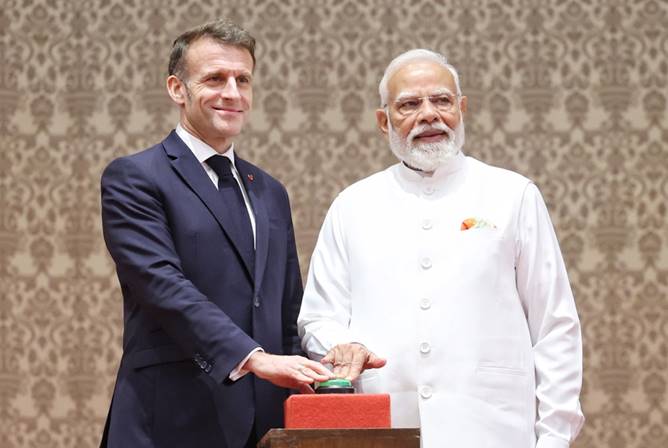
French President Emmanuel Macron and Indian Prime Minister Narendra Modi virtually inaugurated from Mumbai, Tata Advanced Systems Final Assembly Line of the Airbus H-125 Light Utility Helicopter, located at Vemagal, Karnataka, today.
India, France Elevate Ties to Special Global Strategic Partnership
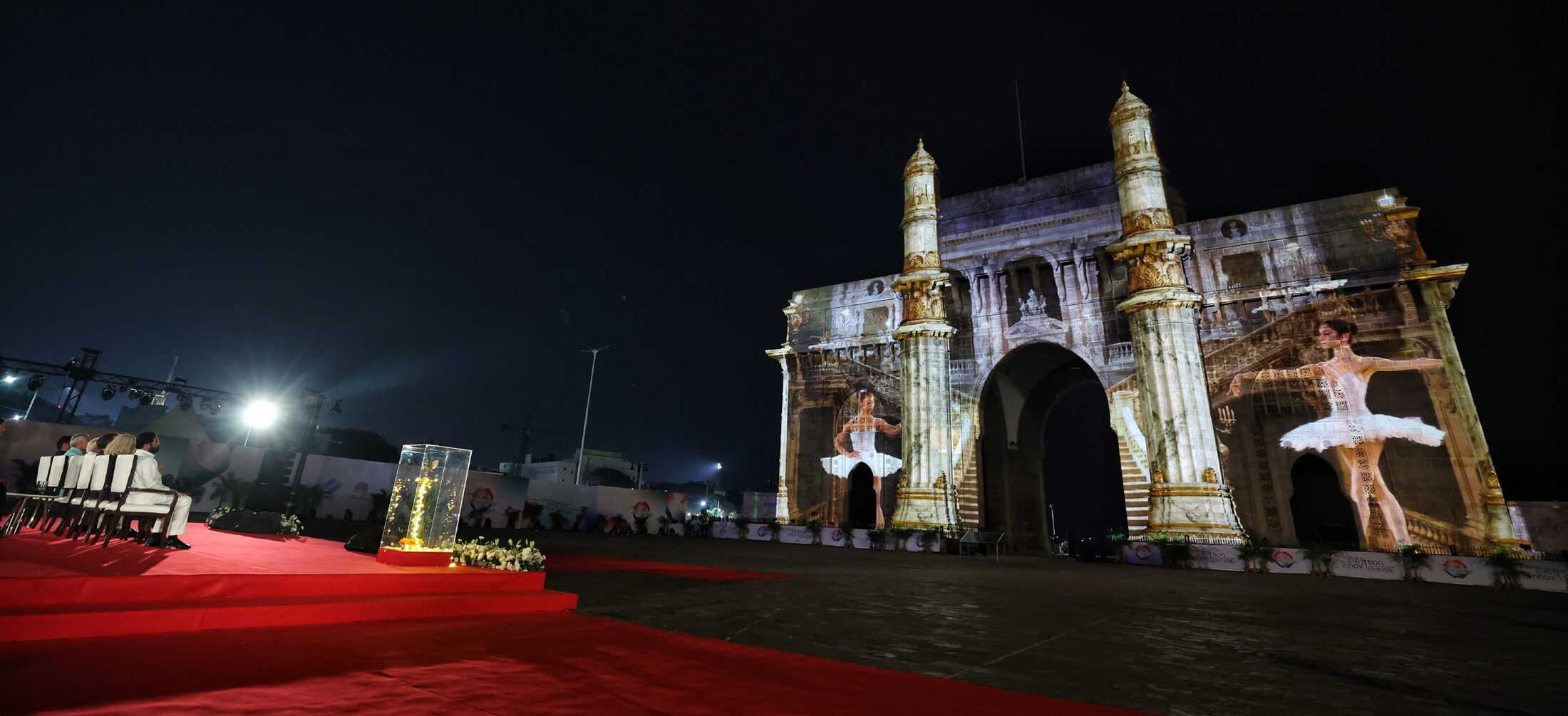
Mumbai/New Delhi: India and France on Monday elevated their bilateral ties to a “Special Global Strategic Partnership”, marking a decisive expansion of cooperation across defence, critical and emerging technologies, innovation, climate action, economy and people-to-people exchanges. The decision was announced during the official visit of French President Emmanuel Macron to India from February 17 to 19, at the invitation of Prime Minister Narendra Modi, and coincided with the joint launch of the India–France Year of Innovation 2026 in Mumbai.
A key institutional outcome of the visit was the establishment of an annual Foreign Ministers Comprehensive Dialogue to regularly review implementation of the elevated partnership and the Horizon 2047 Roadmap, with particular focus on economic security, global issues and people-to-people exchanges. The two leaders underlined that the upgraded partnership is intended to guide bilateral cooperation for the coming decades and position India and France as a force for global stability and prosperity in an increasingly uncertain international environment.
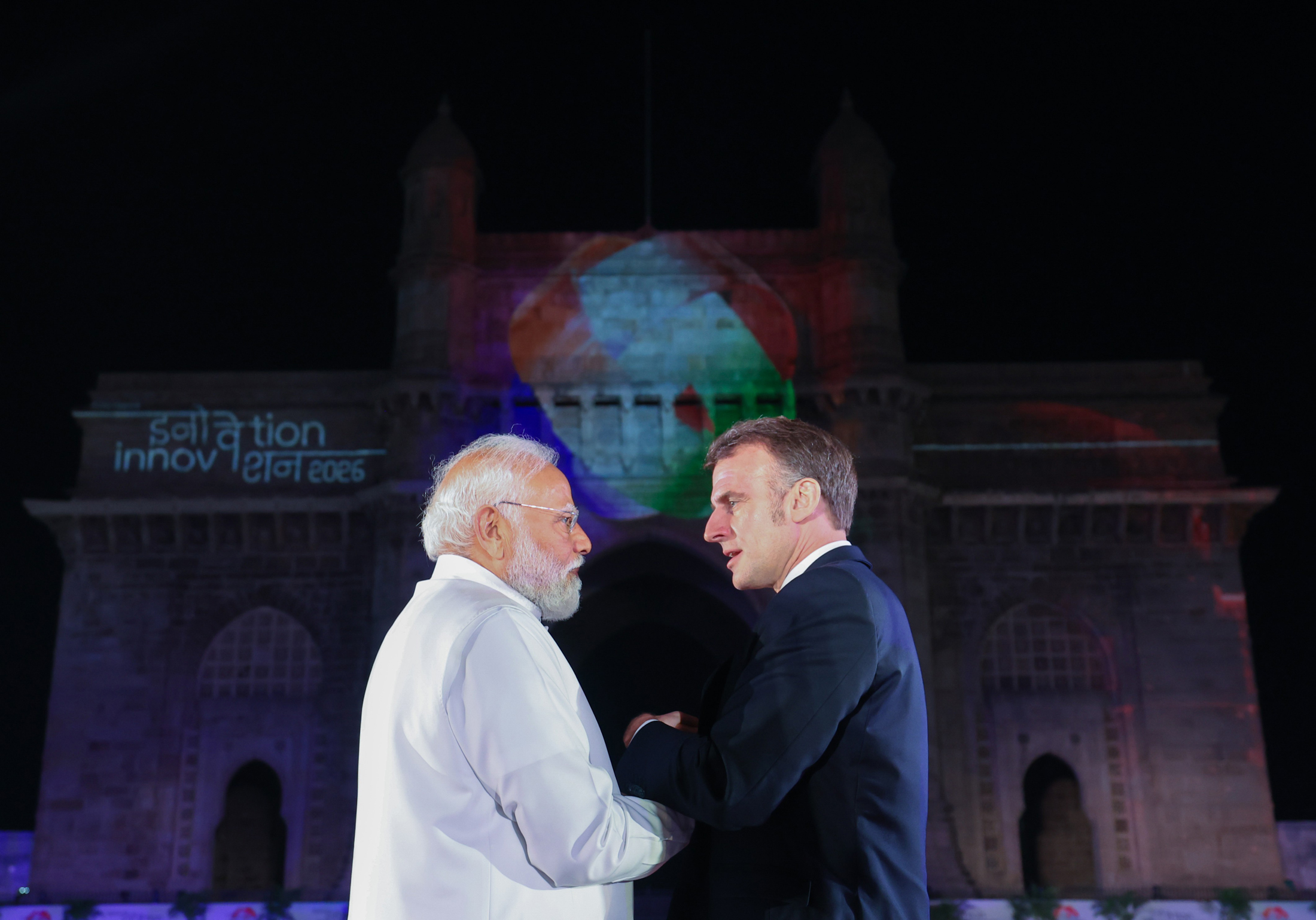
The launch of the India–France Year of Innovation 2026 and the India–France Innovation Network was aimed at connecting the innovation ecosystems of both countries through a digital platform bringing together startups, incubators, academic institutions, research bodies and industry. The year will feature high-impact collaborations in innovation, science and technology, cyberspace and artificial intelligence, healthcare, sustainable development, cultural and creative economy, and research and education, with a view to co-developing solutions for a smarter and more sustainable future.
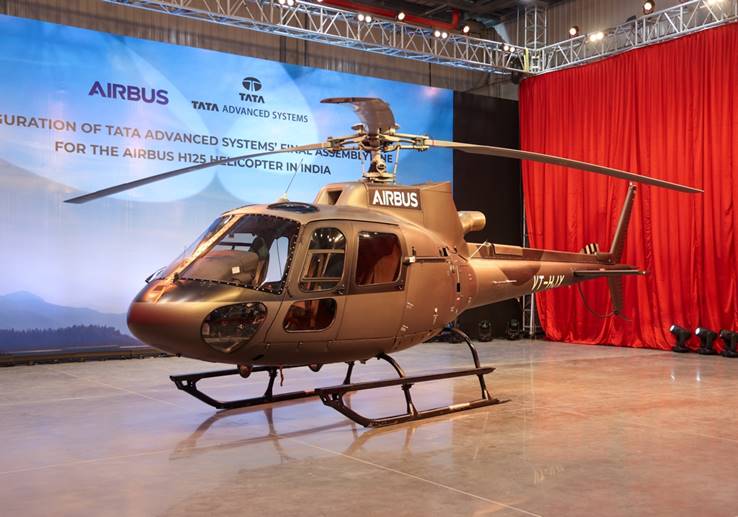
A major defence and industrial milestone of the visit was the virtual inauguration of the H125 Light Utility Helicopter Final Assembly Line at Vemagal in Karnataka by the two leaders from Mumbai. Developed by Tata Advanced Systems and Airbus Helicopters, the facility is expected to attract investments exceeding Rs 1,000 crore and generate significant direct and indirect employment. Defence Minister Rajnath Singh described the project as a milestone in the India–France strategic partnership and a symbol of Make in India and Aatmanirbhar Bharat. The H125 platform, renowned for its reliability and high-altitude performance and the only helicopter to have landed on the summit of Mount Everest, is optimised for tactical reconnaissance, surveillance, high-altitude logistics, search and rescue and medical evacuation missions. This collaboration follows the earlier C295 military transport aircraft programme and strengthens India’s private-sector role in defence manufacturing.
Defence cooperation was further reinforced through the renewal of the bilateral Defence Cooperation Agreement, the decision on reciprocal deployment of officers at Indian Army and French Land Forces establishments from 2026, and the constitution of a Joint Advanced Technology Development Group to explore co-development of emerging and critical technologies in identified niche areas. A joint venture between Bharat Electronics Limited and Safran to produce HAMMER missiles in India was announced, alongside progress on Maintenance, Repair and Overhaul facilities for LEAP and M-88 engines. The two sides welcomed the procurement of 26 Rafale-Marine fighter jets and expressed intent to deepen cooperation in helicopter and jet engine technologies, fighter aircraft manufacturing and dual-use systems. They also noted the success of the Scorpène submarine programme, with the sixth submarine delivered to the Indian Navy in January 2025, and reaffirmed continued cooperation in submarines.
The leaders agreed to intensify joint research, co-design, co-development and co-production of advanced defence platforms in air, naval and land systems, in line with the Defence Industrial Roadmap agreed in 2024. They welcomed regular bilateral exercises such as Varuna, Shakti and Garuda, participation in multilateral exercises including French space military exercises, and enhanced operational engagements between the armed forces.
On critical and emerging technologies, the two sides adopted a Joint Declaration of Intent on cooperation in critical minerals and metals to build diversified, sustainable and resilient supply chains covering exploration, extraction, processing and recycling. A Letter of Intent was signed to establish a Centre on Advanced Materials between India’s Department of Science and Technology and France’s CNRS, alongside a Joint Declaration of Intent to establish an Indo-French Centre for Digital Sciences and Technology between DST and INRIA. Scientific collaboration between DST and CNRS was renewed through a fresh Memorandum of Understanding, and a joint call for projects in artificial intelligence and applied mathematics is to be finalised.
Health and life sciences cooperation was expanded with the launch of the Indo-French Centre for AI in Health at AIIMS, New Delhi, and agreements for establishing an Indo-French Centre for Metabolic Health Sciences. A Letter of Intent was also signed between India’s Department of Biotechnology and France’s ANRS for cooperation in research and development on infectious diseases and global health research. These initiatives build on earlier commitments placing AI and digital health at the core of bilateral health cooperation.
In skilling and aviation, a Letter of Intent was signed to establish a National Centre of Excellence for Skilling in Aeronautics at the National Skill Training Institute in Kanpur. Civil aviation cooperation was strengthened with a new airline route between Saint-Denis de la Réunion and Chennai, and through deeper engagement in training and industrial collaboration.
Economic cooperation was reinforced through the signing of an amending protocol to the Double Tax Avoidance Agreement between India and France, aimed at facilitating investments and collaborations in startups, science and technology, health, renewable energy and skilling. Both leaders welcomed the sustained growth in bilateral trade and two-way investments and noted the holding of the India–France CEO Forum during the visit to advance business partnerships in aerospace, energy, logistics, agri-food, telecom and technology sectors. They also welcomed the conclusion of the India–EU Free Trade Agreement and the India–EU Security and Defence Partnership, noting that these frameworks would open new opportunities for India–France–Europe economic and strategic collaboration.
In the digital domain, both sides welcomed the growing acceptance of UPI in France, the first European country to adopt the system, making Paris more accessible for Indian tourists. They agreed to work towards wider acceptance of secure and efficient digital payment methods. Cooperation in railways was also expanded across operations and maintenance, sustainability, training, construction technologies, including high-speed rail, and manufacturing technologies such as hydrogen-powered trains, with plans for a Joint Declaration of Intent on railway and high-speed railway development in India.
The two leaders renewed the Memorandum of Understanding between India’s Ministry of New and Renewable Energy and France’s Ministry for the Economy, Finance and Industrial, Energy and Digital Sovereignty on renewable energy cooperation. They reaffirmed commitment to the Paris Agreement, the IPCC, and joint leadership in the International Solar Alliance and the Coalition for Disaster Resilient Infrastructure. Cooperation will extend to decarbonisation of hard-to-abate sectors, climate-resilient infrastructure in third countries, and ocean governance through strengthened scientific collaboration.
In nuclear energy, the leaders agreed to deepen cooperation across the value chain from research and skills development to industrial applications, including collaboration on Small and Advanced Modular Reactors, while maintaining the highest standards of safety, security and non-proliferation. They welcomed India’s target of achieving 100 GW nuclear capacity by 2047 and ongoing discussions on the Jaitapur Nuclear Power Plant project.
On multilateral and geopolitical issues, President Macron invited Prime Minister Modi to participate in the G7 Summit to be hosted by France in 2026 and in the “Africa Forward: Partnerships between Africa and France for Innovation and Growth” Summit in Nairobi on May 11–12, 2026, focusing on energy transition, artificial intelligence, health, agriculture and the blue economy. Both leaders reaffirmed commitment to a rules-based international order, called for reformed and effective multilateralism, and stressed the urgent need for reform of the UN Security Council. France reiterated its firm support for India’s permanent membership and agreed to strengthen discussions on regulating the use of the veto in cases of mass atrocities.
They expressed concern over the war in Ukraine and called for cessation of hostilities and a just and lasting peace through dialogue and diplomacy. They also discussed developments in Iran and West Asia and reaffirmed support for the implementation of the UN Security Council Resolution 2803 on Gaza, the delivery of humanitarian aid, and a two-state solution.
In counter-terrorism, both leaders strongly condemned terrorism in all forms, including the Pahalgam attack in April 2025 and the incident near the Red Fort in November 2025. They welcomed a Letter of Intent on counter-terrorism cooperation between India’s National Security Guard and France’s GIGN, outcomes of the counter-terrorism dialogue held in September 2025, and mutual support in organising MILIPOL exhibitions in 2025. They looked forward to MILIPOL 2027 in New Delhi and Paris and supported France’s hosting of the No Money For Terror Conference in Paris in May 2026.
People-to-people cooperation was expanded through education, culture and mobility initiatives. Both leaders reaffirmed the target of welcoming 30,000 Indian students to France by 2030, welcomed the establishment of a higher education hub in Mumbai bringing together French institutions, and supported the revision of the agreement on mutual recognition of academic qualifications. They also welcomed a six-month pilot of visa-free airport transit for Indian nationals through French airports.
Cultural cooperation will include exhibitions and museum partnerships, including progress on the Yuge Yugeen Bharat Museum in Delhi and cooperation on the National Maritime Heritage Complex in Lothal. A cultural year dedicated to India will be held at the Guimet Museum in 2028, alongside an exhibition on contemporary Indian photography at the Musée du Quai Branly – Jacques Chirac. Both sides agreed to celebrate the next edition of Namaste France in 2028 to mark 30 years of strategic partnership and to strengthen cooperation in books, literature and creative industries. The opening of the Swami Vivekananda Cultural Centre in Paris and enhanced French language teaching in India were also welcomed.
Additional cooperation measures included a Letter of Intent between India’s Department of Posts and La Poste of France to strengthen postal and logistics collaboration, and deeper engagement in oceanography, space cooperation, cybersecurity and disaster resilience.
The two leaders concluded that the establishment of the Special Global Strategic Partnership opens a new chapter in India–France relations, creating a long-term framework for cooperation in security, sustainability, innovation and human development, and reinforcing their shared commitment to international peace, stability and prosperity.
– global bihari bureau