 By Rahul Laxman Patil*
Festive Queues, Tense Stakes as Bangladesh Counts Votes
High Turnout Reflects Shift in Bangladesh Politics
Dhaka/Thakurgaon: Vote counting began across Bangladesh late today after polling closed in the country’s 13th Jatiya Sangsad elections, held alongside a referendum on the proposed July Charter, marking what officials and observers described as a defining political moment following nearly two decades of turbulent and contested electoral history. The nationwide vote concluded after a day of generally peaceful yet politically charged participation under one of the largest security deployments in the country’s peacetime electoral record.
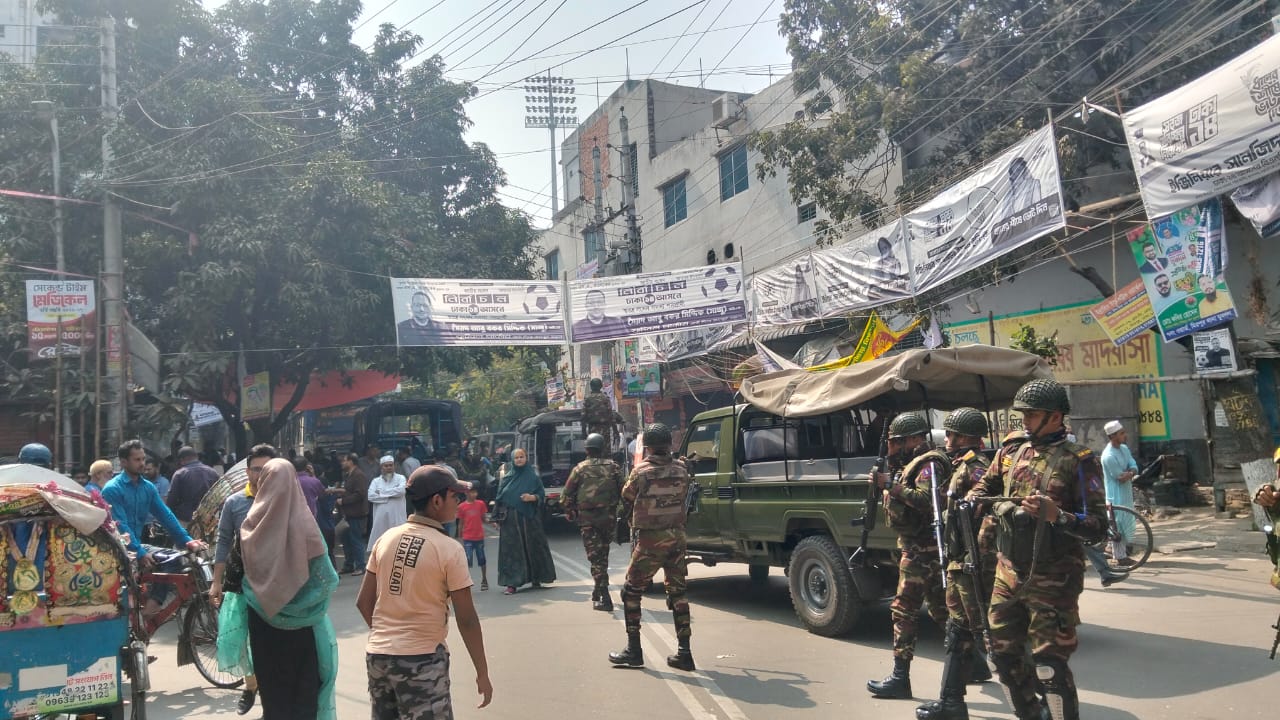
Polling started at about 7:30 am and continued uninterrupted until 4:30 pm at more than 42,000 polling centres nationwide, with authorities declaring a four-day nationwide holiday to facilitate participation and maintain order. More than nine lakh security personnel, including police, paramilitary forces and military units, were deployed to guard polling stations, patrol sensitive areas and support civil authorities. Officials said the unprecedented security arrangements were aimed at preventing violence, reassuring voters and ensuring uninterrupted polling amid heightened political tensions following the upheaval of 2024.
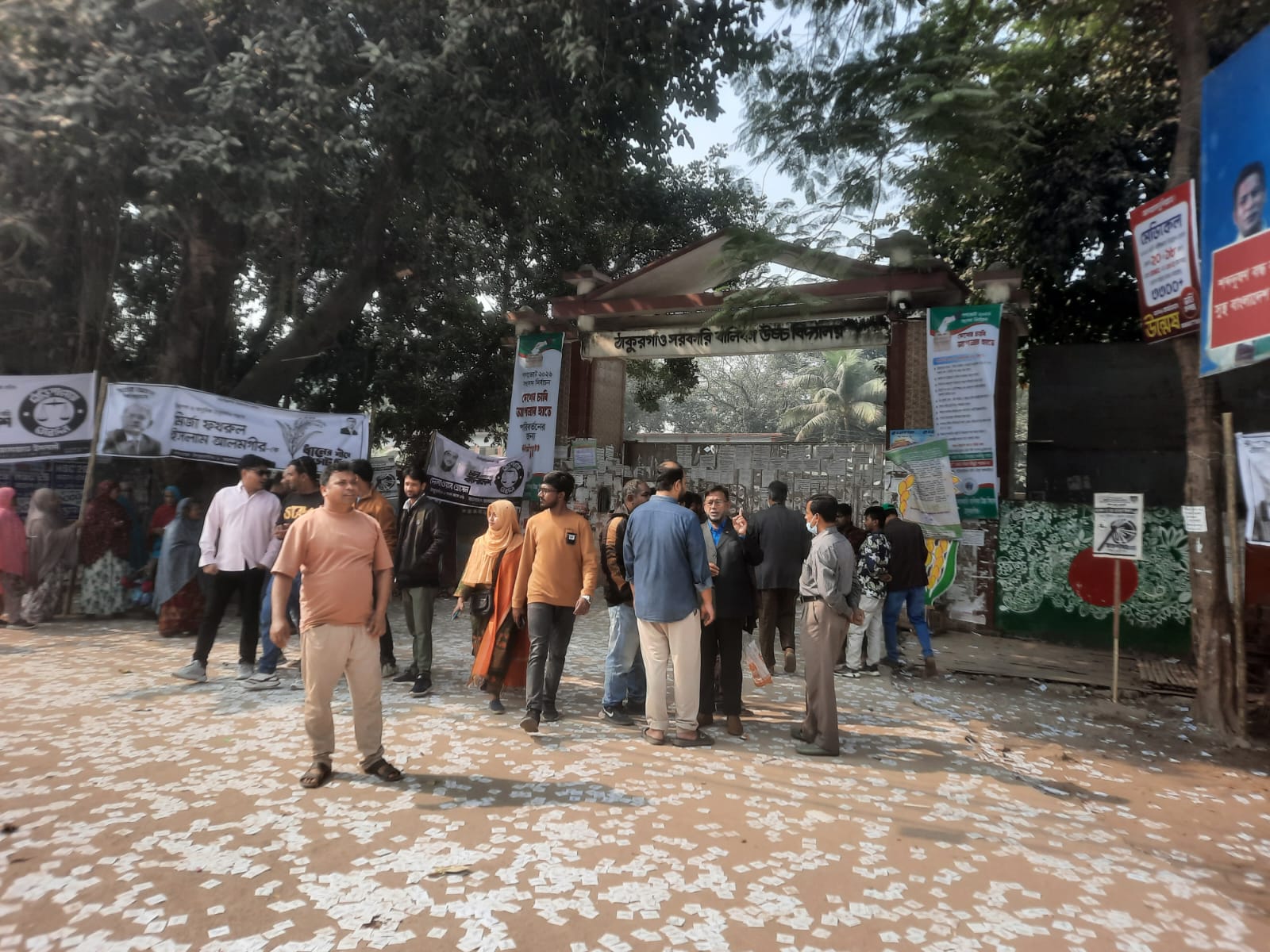
Early counting trends began emerging as ballots were opened in district towns and urban centres, while officials indicated that preliminary results would be announced gradually through the night and into Friday, February 13, 2026. The election is widely viewed as a direct contest between the Bangladesh Nationalist Party (BNP) led by Tarique Rahman, considered by many observers to be the frontrunner, and an 11-party alliance led by Jamaat-e-Islami chief Shafiqur Rahman, which includes the National Citizen Party and is supported by figures associated with the 2024 student-led uprising. The outcome is expected to redefine Bangladesh’s internal political order and influence the geopolitical dynamics of South Asia, including relations with India, where ties under Sheikh Hasina were marked by deep security cooperation, while earlier BNP governments maintained a more cautious strategic balance.
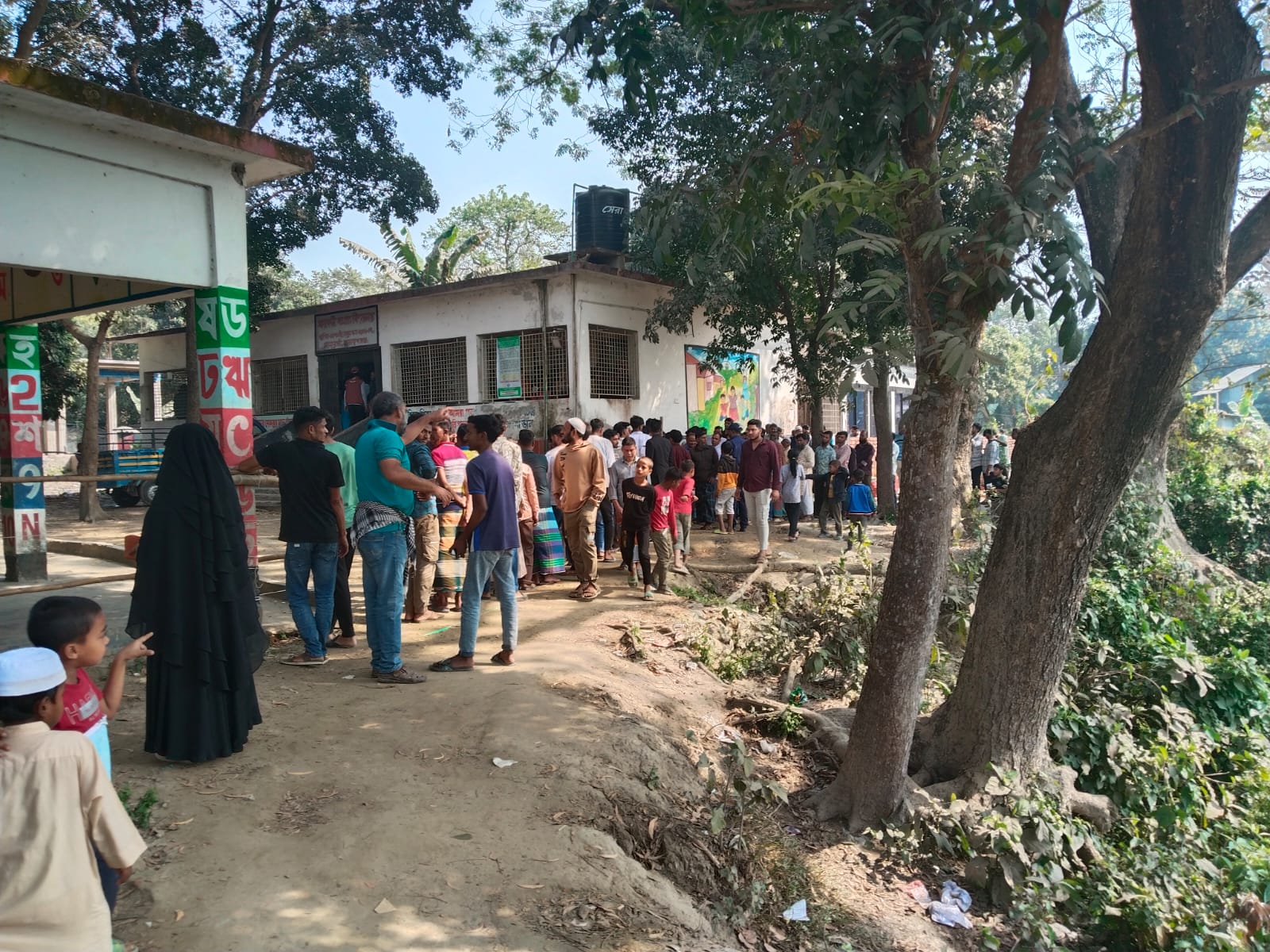
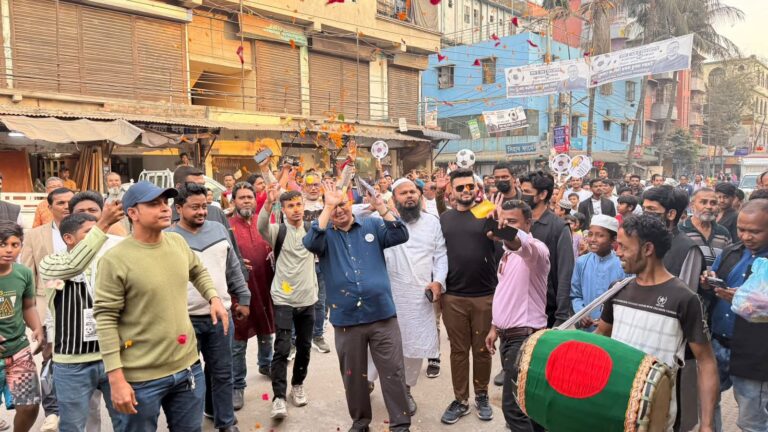
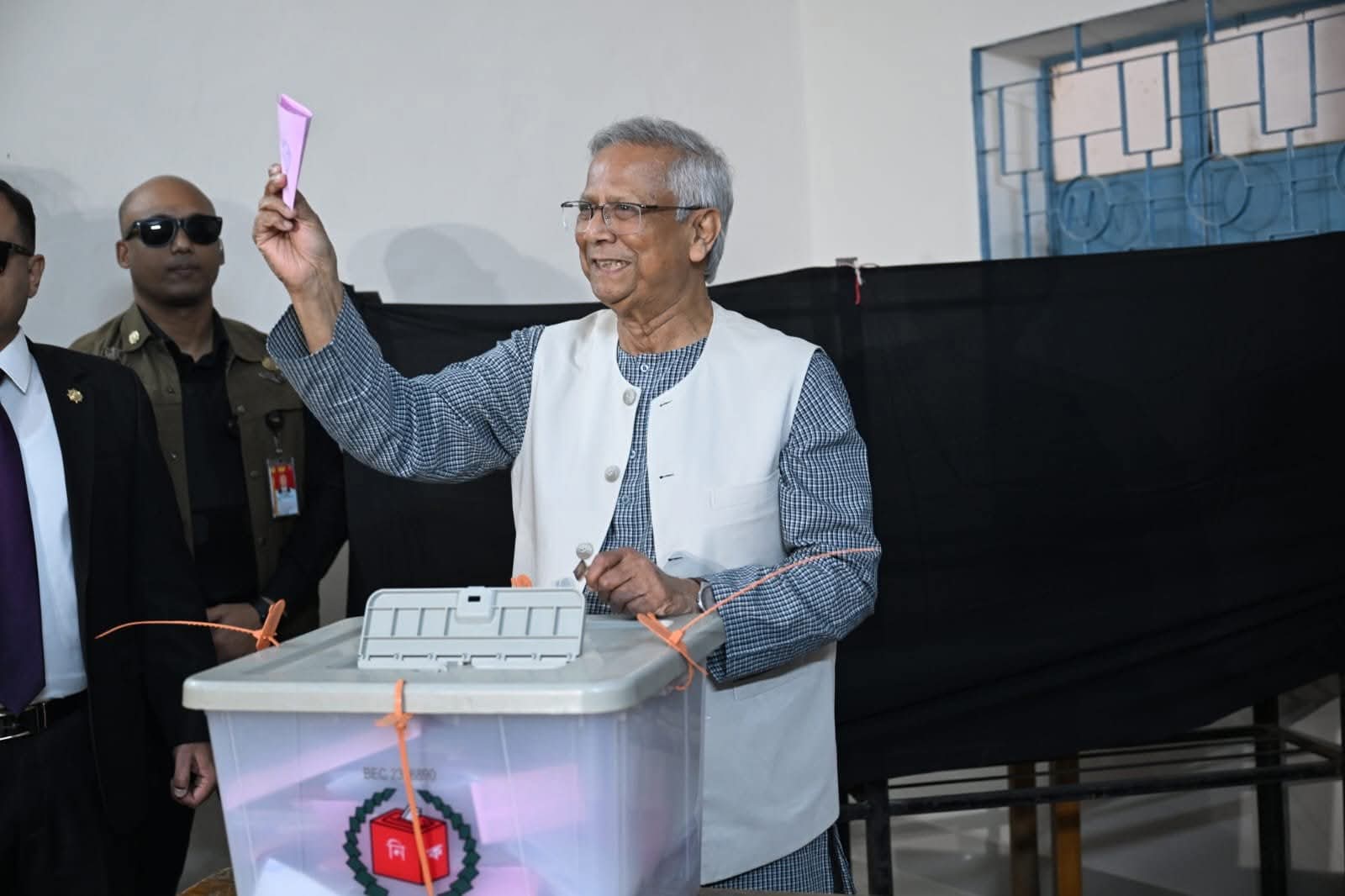
From Dhaka to district towns, citizens stood in long queues, with many describing the atmosphere as “like a festival,” signalling renewed democratic participation after years of boycotted or disputed polls. Several voters noted that this was their first meaningful opportunity to vote since 2008, reinforcing the sense that the 2026 election represents a return to competitive and participatory politics following the political transformation of 2024. Chief Adviser of the interim government, Muhammad Yunus, cast his ballot in Dhaka during the morning hours, underscoring the symbolic weight of the exercise in a fragile transitional phase.
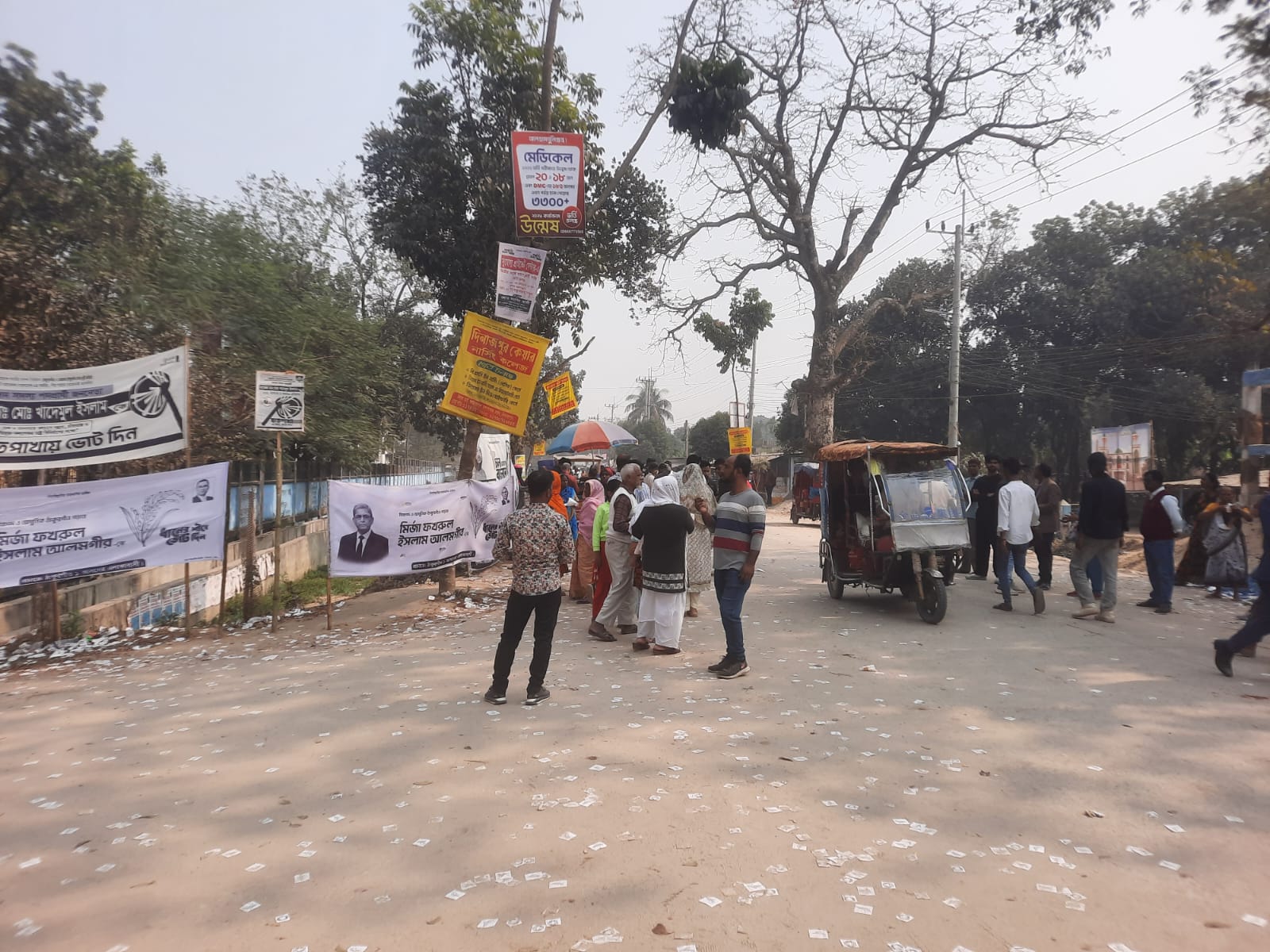
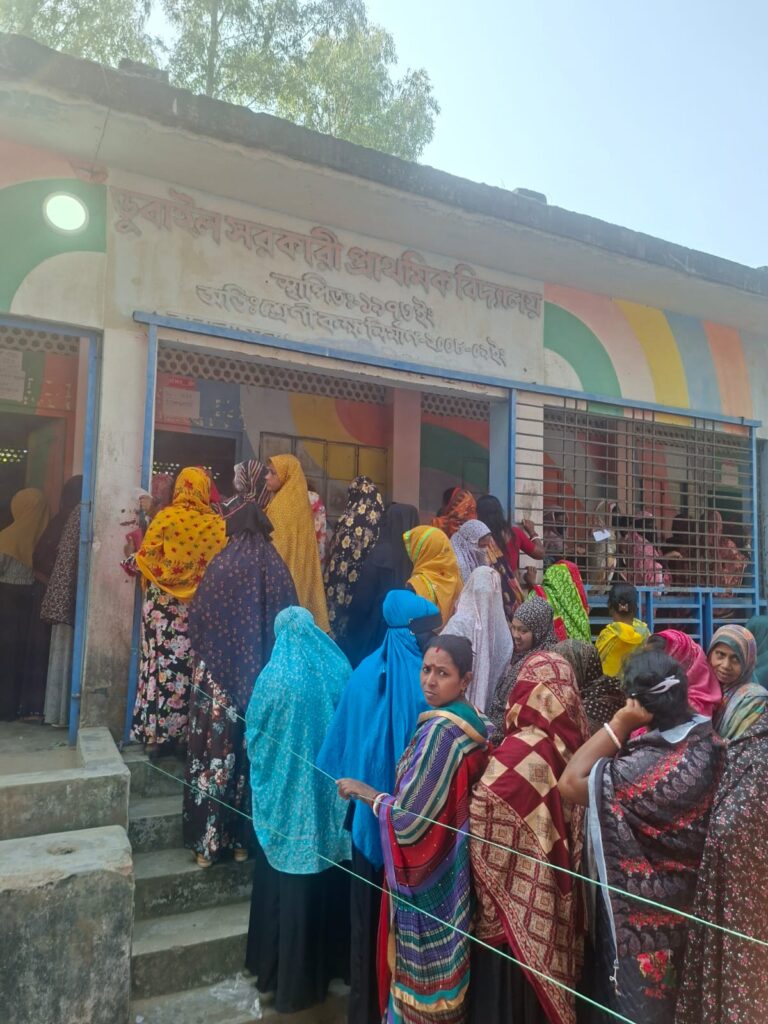
Field observation under the North Bangladesh Ground Observation – Rangpur Division, covering Rangpur, Thakurgaon, Dinajpur, Panchagarh, Nilphamari, Kurigram, Gaibandha and Lalmonirhat, confirmed that polling concluded in a generally peaceful, orderly yet politically intense environment. Preliminary regional assessments indicated turnout levels higher than the national trend, with participation estimated between 65 and 79 per cent in Panchagarh, Thakurgaon and Dinajpur, and between 59 and 71 per cent in Rangpur, Nilphamari, Kurigram, Gaibandha and Lalmonirhat. Long queues were observed throughout the day, especially in rural areas, demonstrating sustained voter interest and grassroots mobilisation.
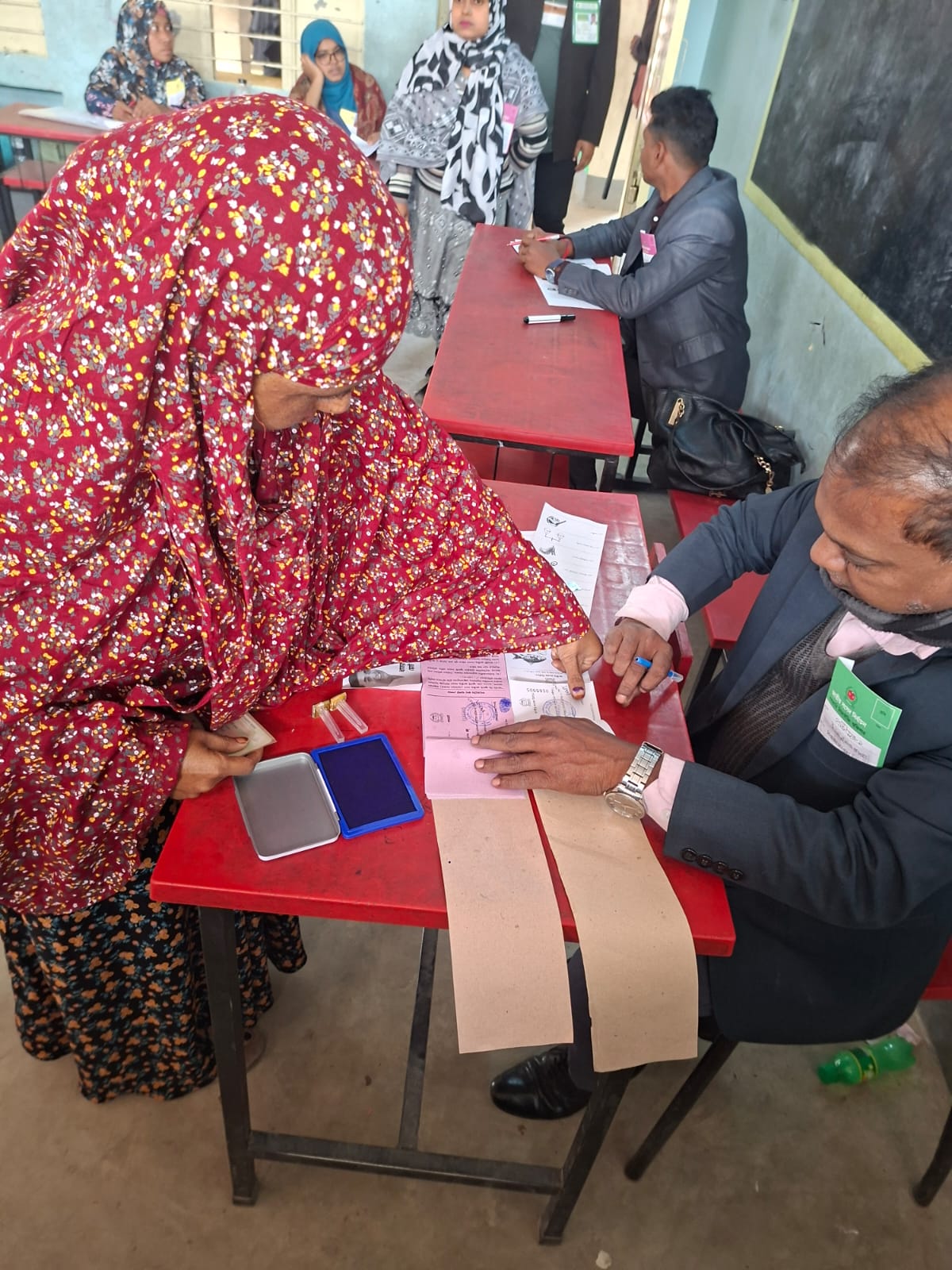
Observers noted particularly strong participation by women voters, many of whom arrived early in organised community groups. First-time youth voters also showed high engagement, reflecting a generational shift in political involvement. Minority communities remained visibly present at polling centres, signalling continued commitment to the electoral process despite anxieties generated by recent political changes. Polling management was reported to be efficient, with no suspension recorded in the observed centres during the day.
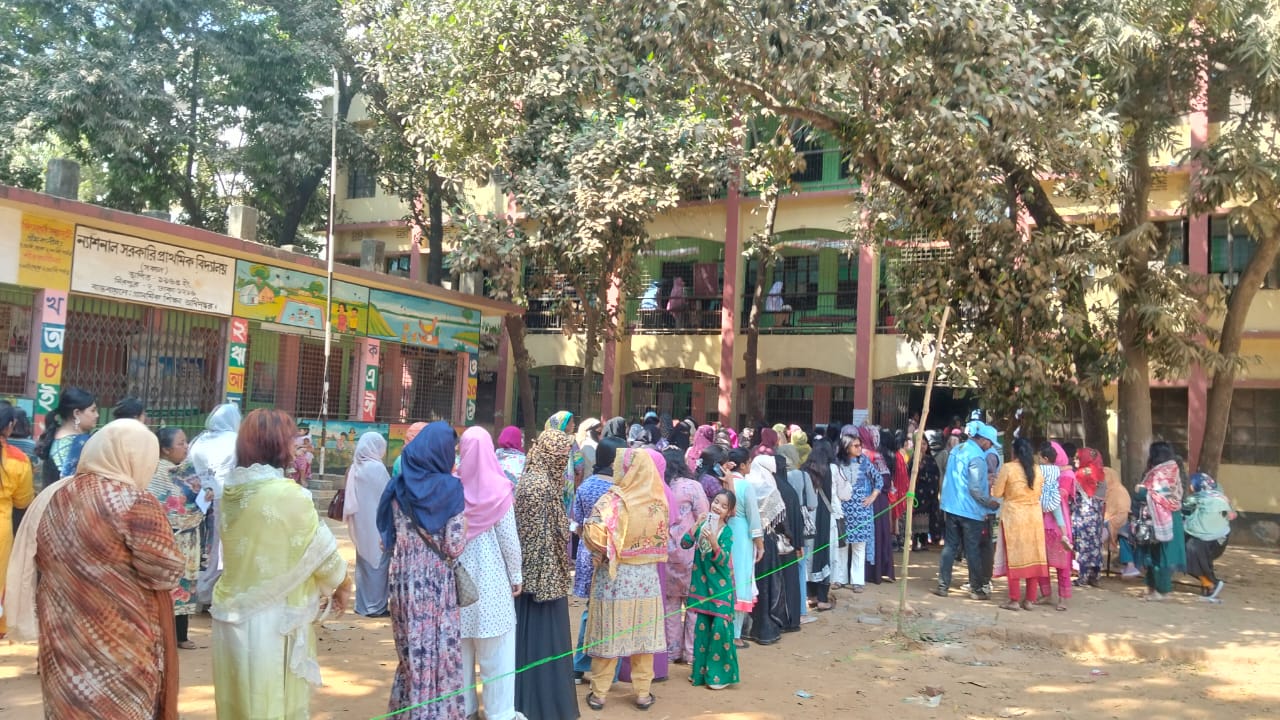
North Bangladesh has traditionally served as a politically influential belt with consistently high turnout and strong grassroots mobilisation. Constituencies such as Thakurgaon have historically elected prominent national leaders and acted as indicators of broader northern political sentiment. The legacy of former parliamentarians, including veteran leader Ramesh Chandra Sen, continues to shape public memory and expectations of constituency-focused representation. Local observers said the absence of earlier dominant political structures this year created what they described as the most open electoral contest in decades.
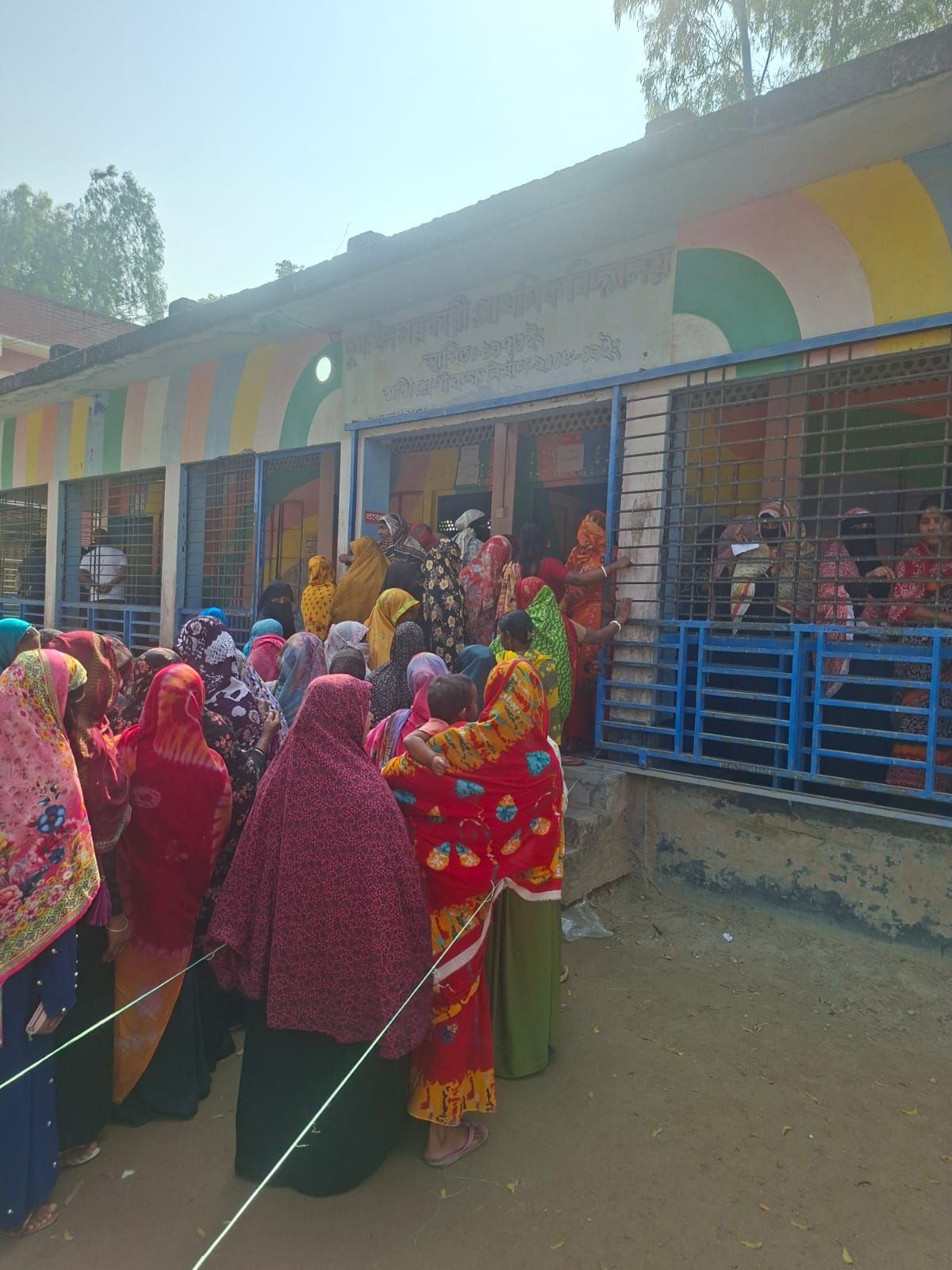
Thakurgaon emerged as one of the most closely watched constituencies, witnessing a competitive three-way engagement. The BNP was organisationally strengthened by the presence and influence of its Secretary General, Mirza Fakhrul Islam Alamgir, whose longstanding connection to the district carries both symbolic and strategic importance. Islami Andolon Bangladesh and Khademul Jamaat-linked activists mobilised conservative and religious voter bases through grassroots figures such as Delowar Hossain. Independent and local candidates attempted to take advantage of the altered political environment following the absence of traditional Awami League participation. Observers noted a shift toward more issue-based voting compared to previous personality-driven elections, particularly among minority and younger voters.
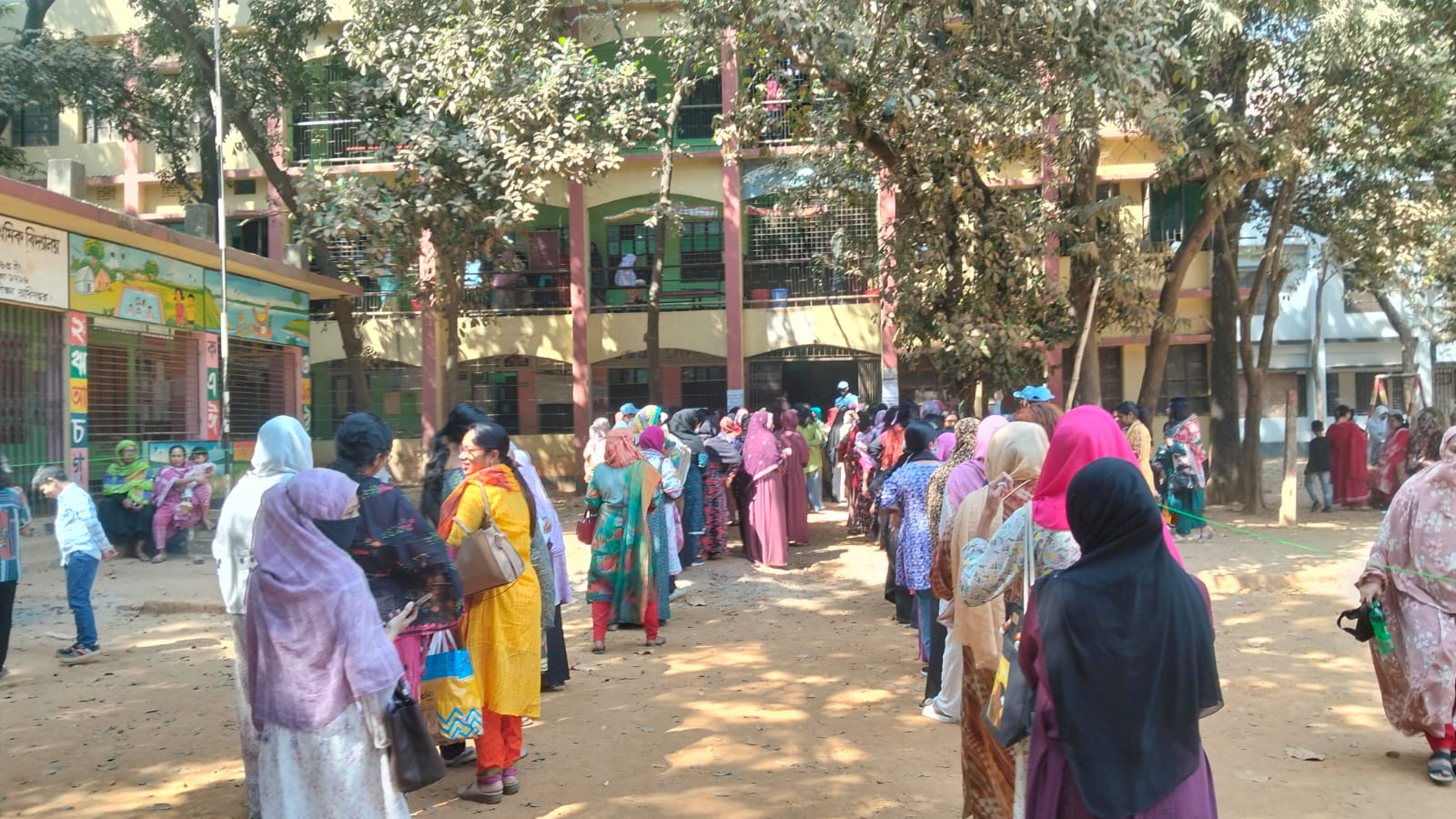
While the mechanics of voting remained peaceful, the broader atmosphere was described as politically “hot” because of the national transition following the upheaval of recent years, the reorganisation of party structures and alliances, and increased ideological diversity within constituencies that were once politically predictable. Despite heightened competition, security deployment and administrative coordination ensured orderly polling conditions across northern districts.
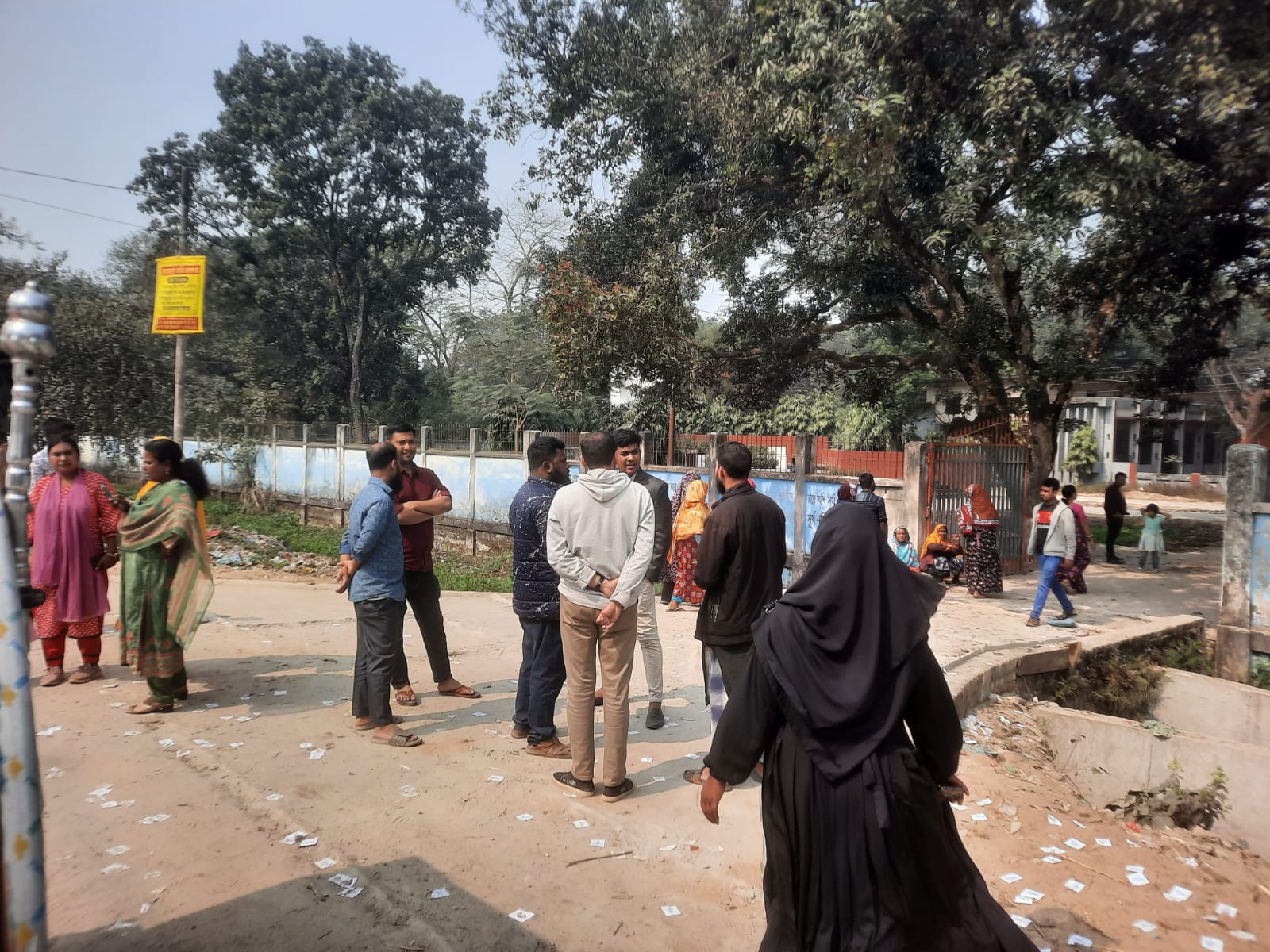
Public sentiment gathered from interactions with voters reflected a mixture of optimism and caution. A minority community voter at Thakurgaon Sadar said, “We came early because this vote is important for our future and security.” A female voter from a Hindu-majority village remarked, “After many years, we feel encouraged to participate peacefully.” A first-time young voter said, “We want development, jobs for youth, and stability. Politics must now deliver results.” An elderly voter assisted at a polling centre noted that the visible security presence made people confident to stand in line and vote without fear.
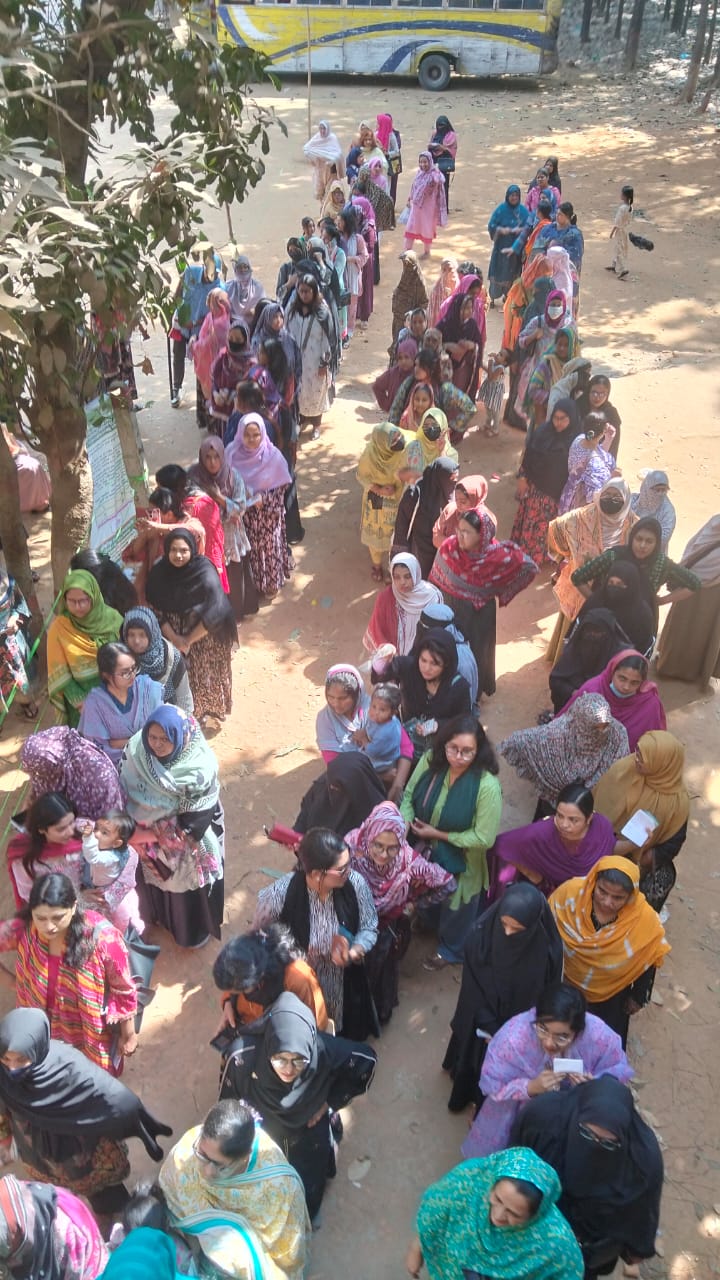
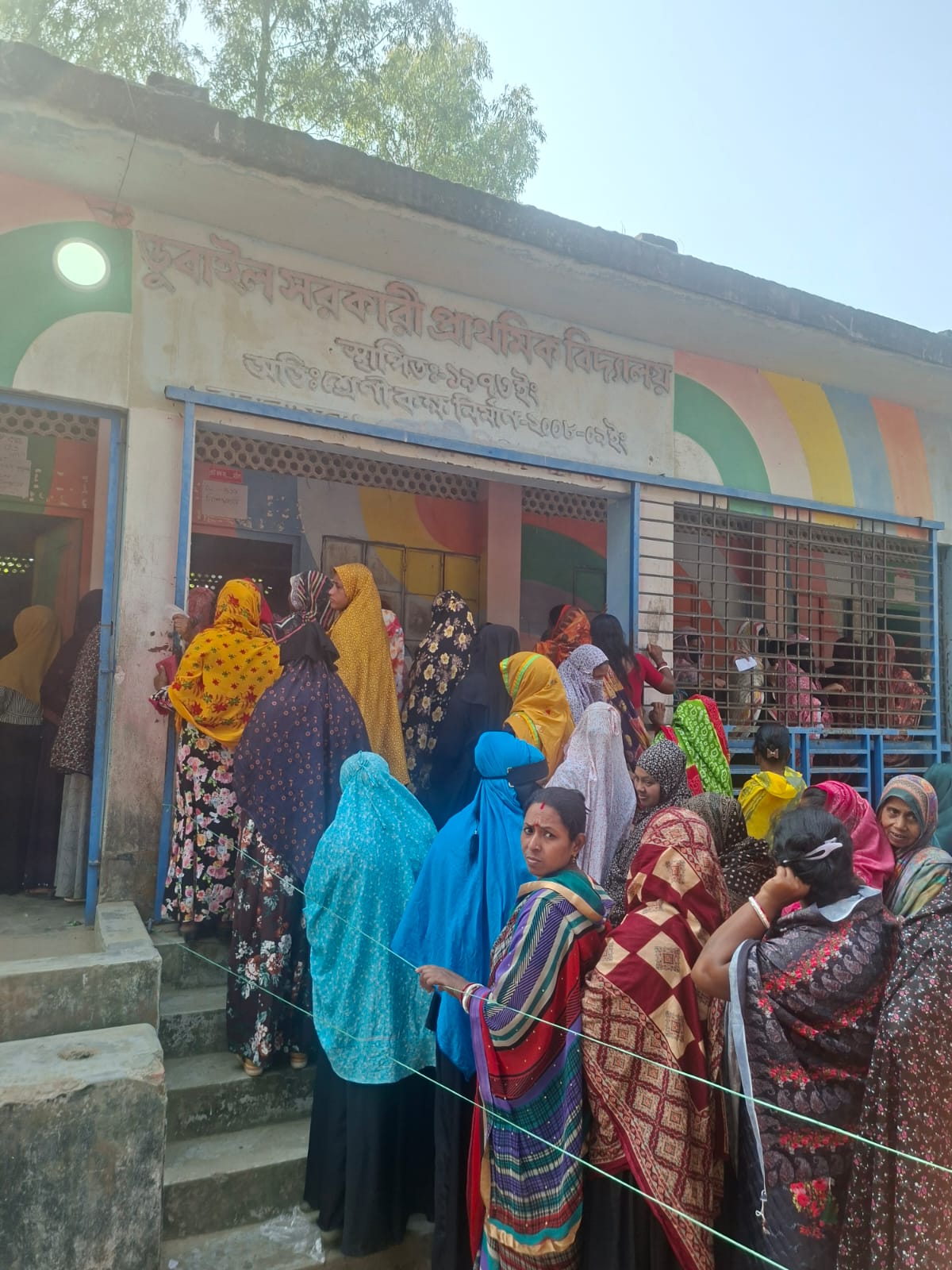
In Thakurgaon, minority voters stood in queues at the Government Girls’ High School polling centre during the morning hours, women from local Hindu communities arriving early to cast ballots, security personnel stationed outside sensitive booths to ensure orderly voting, elderly voters receiving assistance from election officials, and long lines across rural areas highlighting the high turnout in this historically significant constituency.
Nationally, the election unfolded against a backdrop of deep political polarisation and extraordinary security measures. Analysts noted that the interim administration under Muhammad Yunus had assumed responsibility during an exceptionally fragile period requiring rapid institutional stabilisation and consensus-building. Critics from sections of civil society argued that law-and-order responses had at times appeared reactive rather than preventive and that political reconciliation mechanisms remained limited, prolonging uncertainty. Supporters of the administration maintained that managing a post-uprising environment demanded extraordinary caution and security prioritisation.
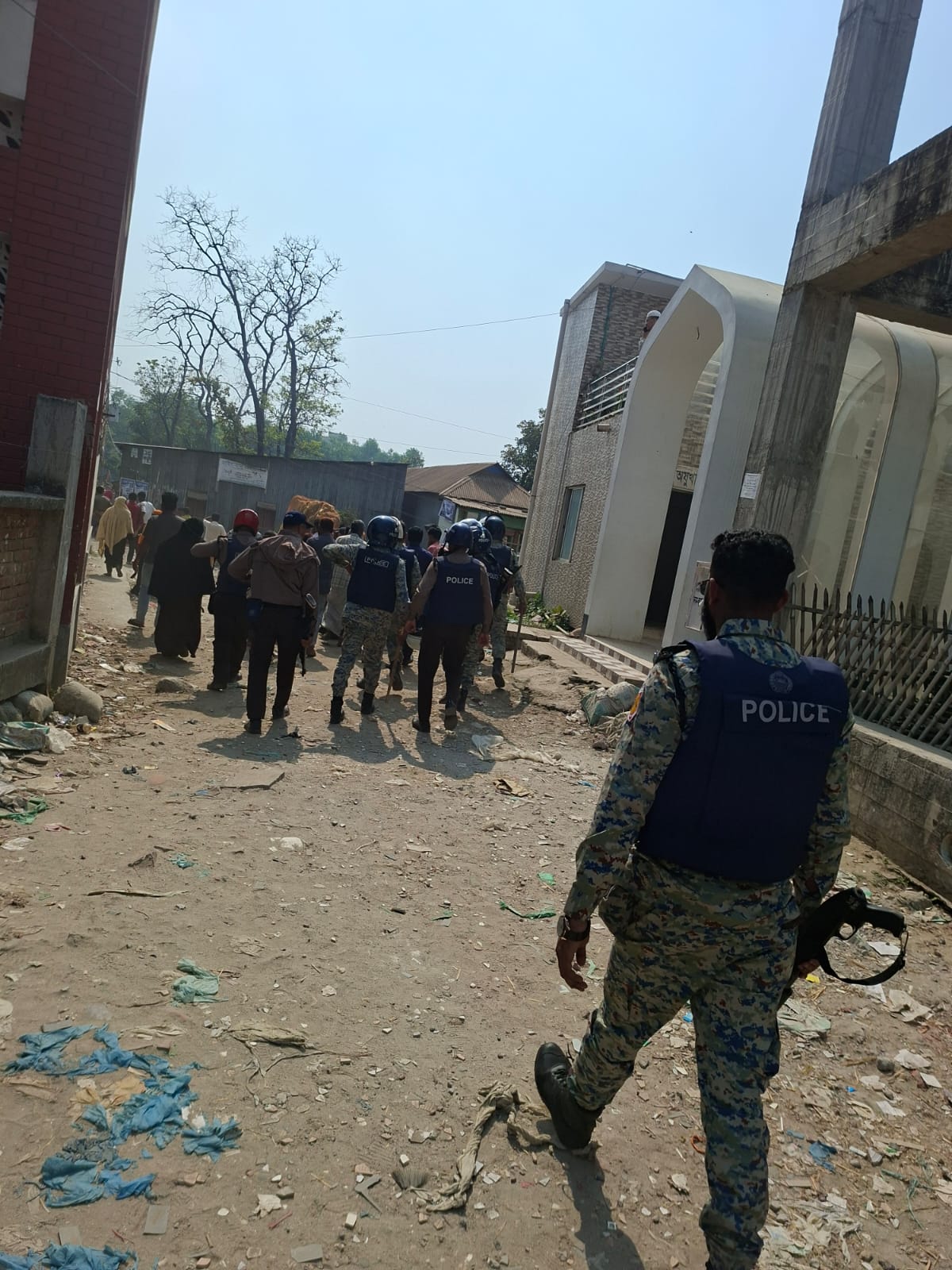 Concerns over minority safety and social confidence persisted in the pre-election period, with community organisations reporting anxiety about participation and localised tensions. Observers stressed that visible and impartial enforcement of the rule of law remained essential to maintaining democratic legitimacy. The scale of securitisation, including the classification of a significant proportion of polling stations as risk-prone, was seen as reflecting perceived instability rather than a normal electoral atmosphere.
The election has also drawn heightened geopolitical attention because of Bangladesh’s strategic position in the Bay of Bengal. Western partners have emphasised governance standards and democratic processes, while BRICS-linked economies have focused on infrastructure and connectivity. Public discourse within Bangladesh has increasingly reflected these competing global narratives, even as the country historically pursued a balanced, multi-vector foreign policy.
Economically and regionally, Bangladesh’s stability is seen as central to Bay of Bengal trade corridors, supply-chain continuity for global manufacturing and regional cooperation frameworks such as BIMSTEC. Analysts warned that prolonged uncertainty could slow economic momentum and affect confidence among development partners.
As counting proceeds, the credibility of the process is expected to be judged not only by polling-day management but by the acceptance of results across the political spectrum, restoration of institutional trust, protection of minorities and vulnerable communities, and a transition from a security-dominated environment to sustainable governance. The coming days are expected to determine whether Bangladesh consolidates recovery from its post-2024 upheaval or continues through a prolonged phase of political recalibration.
*Political and Strategic Analyst