Rights Concerns Grow Over Lebanon Border, West Bank Actions
Geneva: The United Nations today reiterated serious concern over recent developments along the Lebanon–Israel border and in the occupied West Bank, warning that reported actions could have long-term humanitarian, environmental and political consequences and may violate international law.
Briefing journalists in Geneva, the Office of the United Nations High Commissioner for Human Rights (OHCHR) said it was alarmed by reports that Israeli forces sprayed herbicides over areas north of the Blue Line separating Lebanon from Israel on 1 February, posing what it described as a serious humanitarian risk to civilians living in the area. The UN noted that the reported use of chemical substances over agricultural land raises questions about environmental damage, food security and the ability of displaced residents to safely return to their homes and livelihoods.
The incident reportedly led to the temporary suspension of United Nations Interim Force in Lebanon (UNIFIL) patrols and activities along parts of the Blue Line after the Israel Defense Forces (IDF) informed the mission of aerial activity involving chemical substances. UN peacekeepers were instructed to remain under cover for several hours, resulting in the cancellation of multiple planned operations along the frontier.
Lebanese authorities later conducted laboratory analyses indicating that the substance sprayed was glyphosate, a herbicide banned in Lebanon and in several other jurisdictions due to concerns over its impact on human health and the environment. Officials said some samples showed concentrations many times higher than accepted norms, fuelling fears of long-term damage to soil, crops, water sources and local ecosystems. Lebanese President Joseph Aoun condemned the spraying as a violation of Lebanese sovereignty and described it as an environmental and public health crime, instructing relevant ministries to document the incident and pursue diplomatic and legal action through international channels.
Addressing journalists in Geneva, Alessandra Vellucci, Director of the United Nations Information Service, said the reported spraying raised serious questions about the impact on agricultural lands and the long-term prospects for civilians seeking to return to affected areas. OHCHR spokesperson Thameen Al-Kheetan stressed that the reports required deeper investigation to confirm the precise nature of the substances used and warned that any attacks on farmland, water sources or the environment pose a serious humanitarian risk. He reiterated that any activity by Israeli forces north of the Blue Line constitutes a violation of United Nations Security Council Resolution 1701, which governs the cessation of hostilities between Israel and Lebanon.
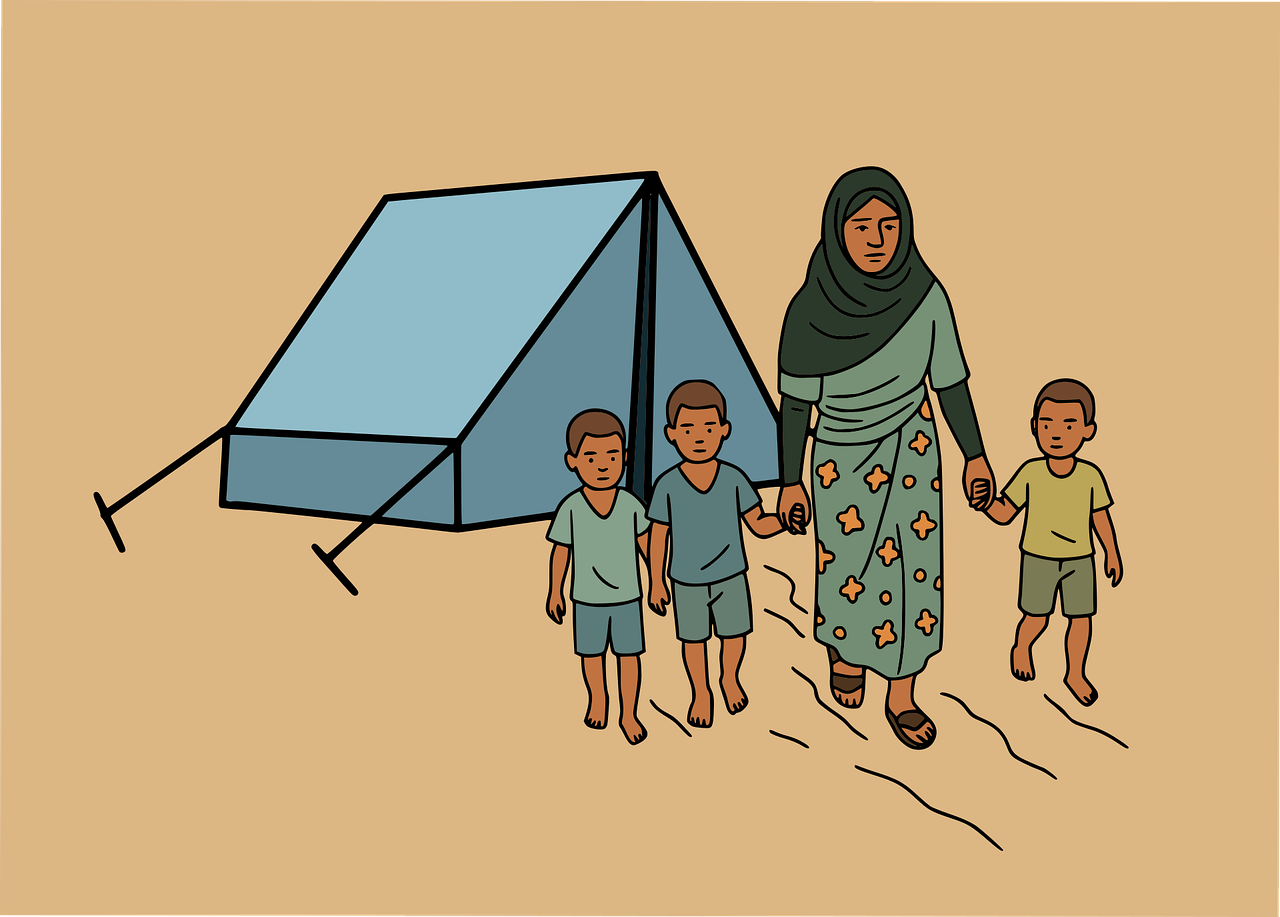
The UN human rights office also expressed deep concern over developments in the occupied West Bank, warning that intensified Israeli military operations, settlement expansion, demolitions and settler violence are contributing to widespread forced displacement and undermining the viability of a future Palestinian state. According to recent UN assessments, nearly 700 Palestinians were forcibly displaced in January 2026 alone, marking one of the highest monthly displacement figures since the outbreak of the Gaza conflict in October 2023. Much of this displacement has been linked to settler violence, intimidation and access restrictions, particularly affecting Bedouin and herding communities in areas such as Ras Ein al-Auja in the Jordan Valley, where dozens of families were compelled to leave their homes.
OHCHR noted that since last year, tens of thousands of Palestinians have been displaced across the West Bank, including more than 32,000 people uprooted from the refugee camps of Jenin, Tulkarem and Nur Shams during Israel’s militarised “Iron Wall” operation. Many of those displaced remain unable to return, while numerous homes have reportedly been destroyed. The UN office has also documented a pattern of coercive conditions, including property damage, restrictions on movement, and denial of access to land and water resources, which it says are driving Palestinian communities from their homes.
Israeli security operations affecting Palestinian communities have included raids in occupied East Jerusalem, including the Shu’fat refugee camp, where forces reportedly entered homes and shops, detained Palestinians, confiscated goods and seized private vehicles. In another large-scale operation near Kafr Aqab and the boundaries of the Qalandiya refugee camp, around 70 Palestinian structures were reportedly demolished, developments the UN human rights office says may be linked to preparations for major settlement projects in the area. Israeli authorities have also advanced plans for thousands of new settlement units in strategically sensitive corridors between East Jerusalem, Ramallah and Bethlehem, raising concerns about further territorial fragmentation.
Responding to questions about the so-called E1 plan, which would reportedly separate northern and southern parts of the West Bank from East Jerusalem, Al-Kheetan warned that such measures risk isolating Palestinian communities from one another and seriously undermining the viability of a Palestinian state. He underscored that under international law, all settlement activity must cease and that existing settlement expansion and related demolitions must be halted.
The UN human rights office reiterated that the situations in both southern Lebanon and the occupied West Bank highlight broader concerns over respect for international humanitarian and human rights law, environmental protection, civilian safety and the protection of livelihoods in conflict-affected areas.
– global bihari bureau