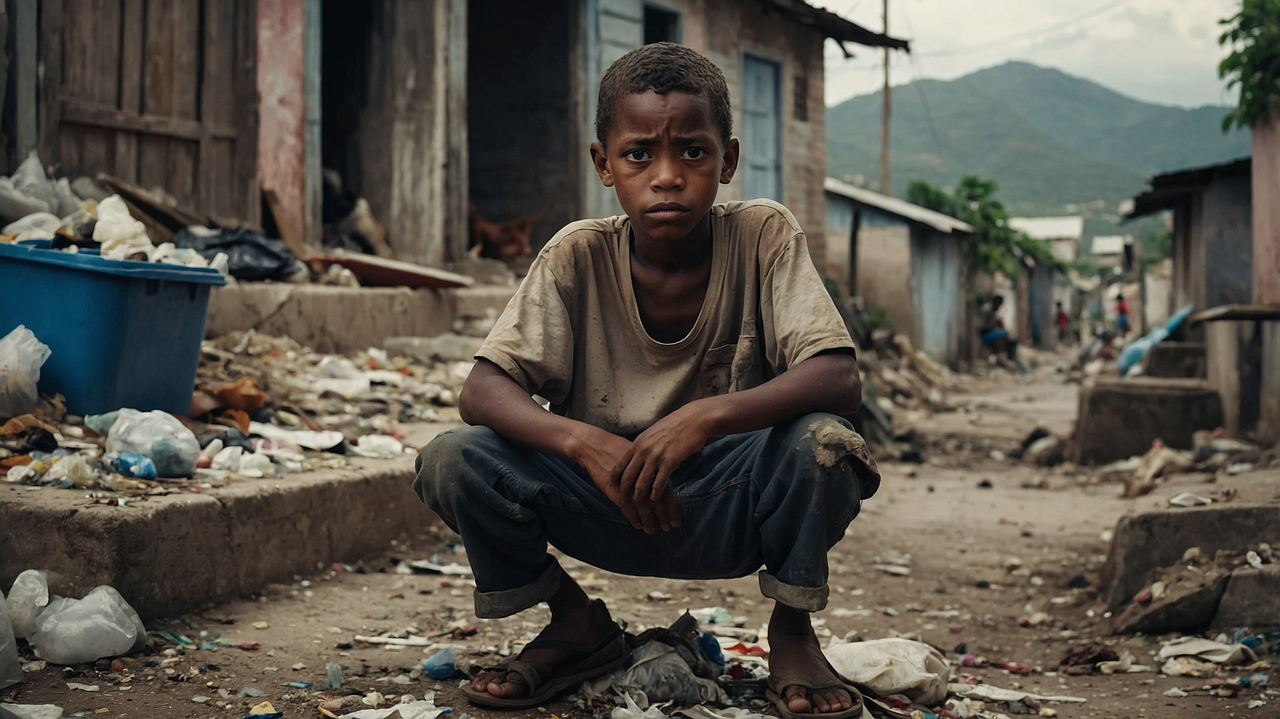
Boy, Haiti
FAO Mission Highlights Shared Food Security Challenges in Haiti and Dominican Republic
Food Crisis and Gang Violence Strain Haiti’s Stability
US Imposes Visa Curbs on Haitian Council Members
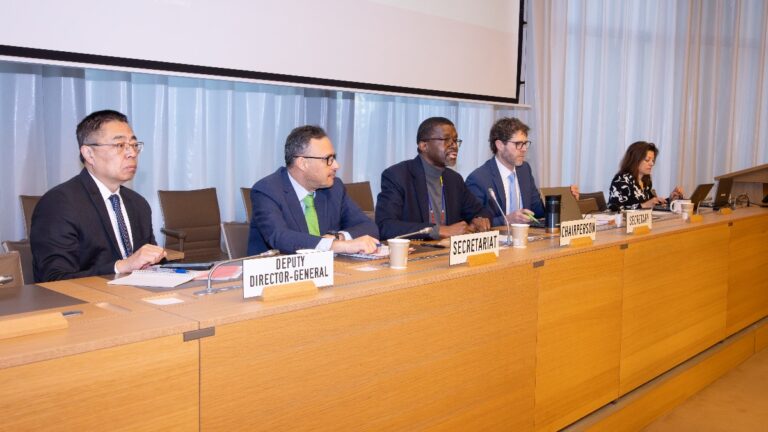
Port-au-Prince/Santo Domingo/Washington: A high-level mission of the Food and Agriculture Organization of the United Nations (FAO) to Haiti and the Dominican Republic has underscored that food security in the Caribbean remains a shared regional challenge, requiring both emergency agricultural assistance and long-term protection of agrifood systems and supply chains.
The mission was led by FAO Deputy Director-General Beth Bechdol, together with senior regional and emergency leadership. It advanced a coordinated approach that focuses on emergency food production and livelihood protection in Haiti, while strengthening biosecurity, disaster preparedness and market stability in the Dominican Republic.
The FAO visit took place against the backdrop of a worsening humanitarian and security situation in Haiti, where recent IPC (Integrated Food Security Phase Classification) analysis indicates that over 5.7 million people are experiencing high levels of acute food insecurity (IPC Phase 3 or above). Of these, around 1.9 million people are classified in Emergency (IPC Phase 4) and approximately 3.8 million in Crisis (IPC Phase 3) conditions.
The IPC assessment also reports that prolonged insecurity, economic decline and displacement have severely disrupted livelihoods and access to food. More than 1.3 million people are internally displaced, many living in overcrowded conditions with limited access to services, while food supply chains and agricultural activities remain constrained by gang violence and instability.
Emergency Agriculture Response in Haiti
FAO officials emphasised that much of Haiti’s rural population continues to depend on agriculture for survival. Through its Emergency Food Production approach, FAO supports vulnerable families in producing food within 90 days, even in crisis settings.
In 2025, FAO reported that it:
- supported more than 140,000 people,
- distributed over 210 tonnes of seeds to 76,000 farmers, and
- enabled production of more than 7,500 tonnes of food across 4,300 hectares.
To expand these efforts, FAO is seeking $108 million to assist 860,000 people in Haiti through emergency food production and livelihood protection.
“Agriculture is not just a lifeline in today’s crises — it is the foundation for stability and food security,” said Deputy Director-General Bechdol, noting that farming remains central to sustaining households and rebuilding resilient livelihoods in Haiti.
Dominican Republic: Biosecurity and Market Stability
In the neighbouring Dominican Republic, FAO discussions focused on safeguarding agrifood systems from major shocks, including transboundary animal diseases, climate-related hazards and supply chain disruptions, while strengthening regional trade and market integration for the wider Caribbean.
Over the past two years, FAO has worked to strengthen food system defences by certifying 25 pig farms, sharply reducing viral circulation and raising biosecurity compliance from about 35 per cent to nearly 80 per cent. These measures are expected to enhance pork export potential and increase foreign exchange earnings.
FAO is currently working with partners in the Dominican Republic to mobilise additional resources to expand biosecurity coverage, strengthen livestock systems and safeguard national and regional food supply chains.
FAO’s Director of the Office of Emergencies and Resilience, Rein Paulsen, said that a scale-up in funding and support is urgently required to allow the organisation to save lives and deliver tangible results for farmers and communities.
Together, the two country engagements reflect FAO’s integrated regional strategy aimed at addressing urgent humanitarian needs while strengthening systems that prevent future crises and secure food availability.
US Visa Restrictions Linked to Gang Activity
Separately, the United States announced new diplomatic measures related to Haiti’s security situation. In a press statement dated January 25, 2026, U.S. Principal Deputy Spokesperson Thomas “Tommy” Pigott said the Department of State is imposing visa restrictions and revoking visas of two members of Haiti’s Transitional Presidential Council (TPC) and their immediate family members, including spouses and children.
According to the statement, the action was taken due to the TPC members’ alleged involvement in the operation of gangs and other criminal organisations in Haiti, including interference with the Government of Haiti’s efforts to counter gangs designated by the United States as Foreign Terrorist Organizations (FTOs).
The measures are being applied under Immigration and Nationality Act (INA) Section 212(a)(3)(C), which bars entry to individuals whose presence could have potentially serious adverse foreign policy consequences for the United States.
The U.S. government said it remains committed to supporting Haiti’s stability and partnering with Haitian authorities to combat gang violence. The statement added that the Haitian people have suffered from gang violence, destruction and political infighting, and that the Trump Administration intends to promote accountability for those who continue to destabilise Haiti and the region.
Intersecting Humanitarian and Security Challenges
The FAO mission and the U.S. diplomatic action together highlight the intersecting humanitarian and security challenges facing Haiti. While FAO focuses on sustaining food production and protecting livelihoods, international partners are also responding to political instability and gang violence that continue to disrupt markets, displace populations and undermine food security.
FAO officials stressed that strategic and sustained investment in agriculture, tailored to national realities and coordinated across borders, is essential to building resilience and protecting food systems throughout the Caribbean.
– global bihari bureau