UN Highlights Worsening Crisis in Gaza and West Bank
Gaza/Geneva: As the United States President Donald Trump launched the Board of Peace and reconstruction talks on Gaza in Davos earlier this week, United Nations humanitarian agencies warned that the population of the Strip cannot wait for political frameworks to take shape and urgently needs relief from what they described as an ongoing humanitarian catastrophe.
UN officials said that although the October 3, 2025, ceasefire agreement had brought limited respite, civilians continue to be killed daily and critical supply routes remain blocked, leaving vulnerable communities without adequate shelter, health care and essential services.
Juliette Touma, Director of Communications at the United Nations Office for Project Services (UNOPS), told reporters that it was “absolutely critical” to unlock congestion at crossing points and reopen vital lifelines such as the Jordan corridor. She stressed that Gaza’s highly vulnerable population could not wait for a reconstruction plan to be finalised and required supplies immediately alongside any longer-term rebuilding efforts. “They need supplies at the same time; it’s not just the services,” she said.
Echoing those concerns, the United Nations Relief and Works Agency for Palestine Refugees in the Near East (UNRWA) reaffirmed its central role in the Occupied Palestinian Territories, including Gaza. The agency’s mandate was established by United Nations Member States through a General Assembly resolution in December 1949.
Jonathan Fowler, UNRWA Senior Communications Manager, said UNRWA is the largest United Nations agency operating in the Gaza Strip and has deep knowledge of and trust within the community. He said the agency must be able to continue its work and must be part of any reconstruction effort by definition, as this falls directly within its mandate.
While it remains unclear how the United Nations will support the Board of Peace launched by President Trump at Davos on Thursday January 22, reference was made to Security Council Resolution 2803 adopted last November, which welcomed the creation of the Board and highlighted the importance of working with cooperating organisations, including the United Nations.
Alessandra Vellucci, Director of the United Nations Information Service in Geneva, said the UN is strongly committed to ensuring the full implementation of the resolution. She added that there is a clear role for the United Nations in leading humanitarian aid delivery, a responsibility it has carried out for many years and will continue to fulfil to the best of its capacity.
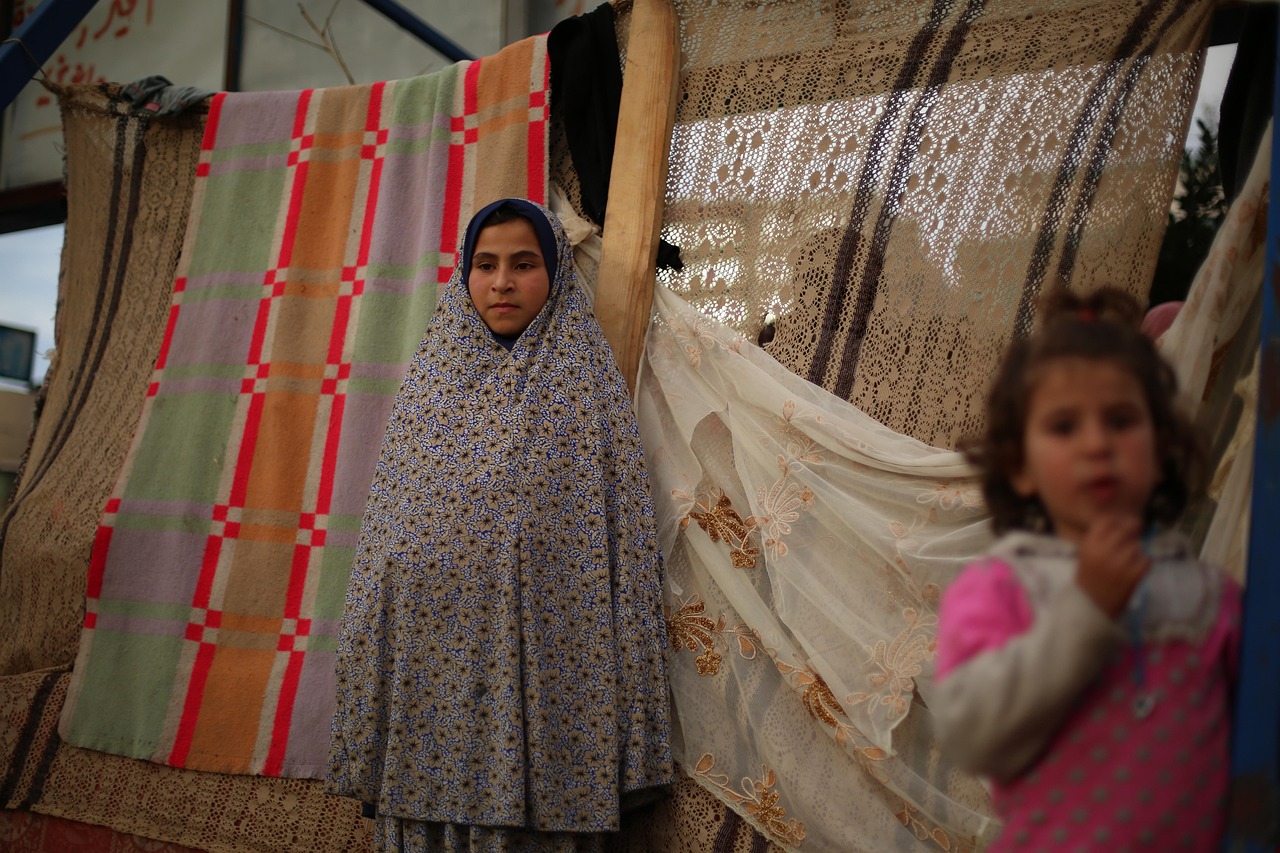
As winter continues to expose Gaza’s most vulnerable residents, the UN Office for the Coordination of Humanitarian Affairs (OCHA) warned that people across the Strip are struggling to meet their basic needs because the humanitarian scale-up remains restricted.
Since Sunday January 18, humanitarian partners providing emergency shelter assistance have reached more than 13,000 households, distributing hundreds of tents and thousands of tarpaulins, according to OCHA’s latest update.
OCHA reported that agencies and their partners are also distributing mattresses, warm clothing and solar lights. However, capacity and funding constraints have limited assistance to only about 40 per cent of the 970 displacement sites currently existing across the Gaza Strip.
Health care needs remain immense. UNRWA providers are attempting to assist around 15,000 patients every day despite severe operational challenges. Fowler said that before the start of the war, UNRWA operated 22 clinics across Gaza, but that number has now fallen to six. Mobile health teams continue to operate, though under highly complex and difficult conditions.
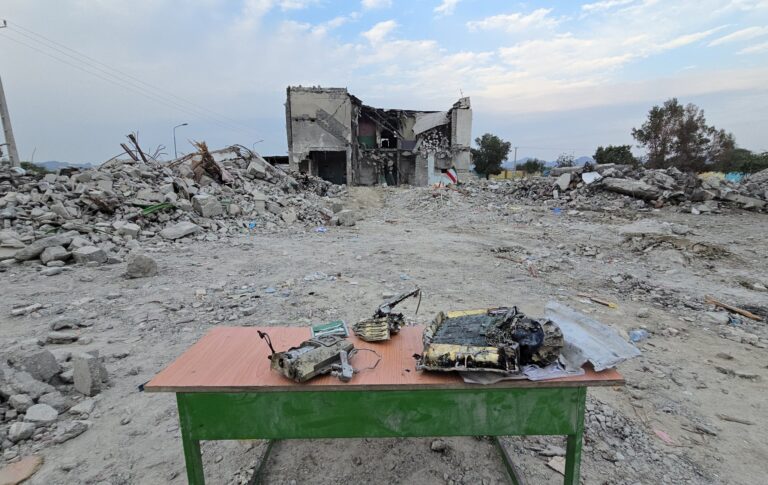
Several UNRWA facilities are located behind what is known as the Yellow Line, a series of concrete blocks installed by Israeli authorities that separates Gazans from the Israel Defense Forces under the three-step Gaza peace plan. Fowler said this makes operations extremely difficult and noted that many UNRWA locations have been heavily damaged or completely destroyed.
He added that UNRWA remains banned by Israeli authorities from bringing in its own supplies, a restriction imposed at the beginning of March 2025 that has not been lifted. As a result, the agency has faced repeated shortages of basic medical materials and medicines in its pharmacies.
Fowler also addressed the destruction of UNRWA’s headquarters in East Jerusalem on Tuesday. He said visiting diplomats were present when Israeli forces stormed and demolished buildings in the compound and fired tear gas. He described the incident as an attack on a United Nations compound and therefore an attack on international law, warning that it could set a dangerous global precedent. He said what happens to UNRWA now could happen to another agency tomorrow, either in the Occupied Palestinian Territory or elsewhere.
Serious concerns were also raised about the UNRWA-supported Kalandia Training Centre, which Fowler said could be shut down within days. He explained that the centre mainly serves lower-income families by providing skills needed to earn a living. If forcibly closed, he said, there would be no educational alternative for the students currently enrolled.
UNRWA further expressed deep concern about developments in the occupied West Bank, one year after Israeli forces launched Operation Iron Wall. Fletcher said the operation led to the mass displacement of people from three refugee camps in the north of the West Bank: Jenin, Nur Shams and Tulkarem.
He added that displaced Palestine refugees are now living in poverty, with their incomes cut off and little prospect of returning to their homes. UNRWA, he said, is the largest provider of humanitarian assistance to around 33,000 people displaced over the past year.
Fowler stated that the camps are progressively being demolished by the Israeli military, altering both the physical landscape and the demographic character of these large communities.
The developments come as OCHA reported that more than 100 Palestinian Bedouin and herding households from five communities across the central West Bank were displaced in the two weeks leading up to 19 January because of ongoing settler attacks, threats and intimidation. These incidents have prevented residents from reaching their homes, grazing lands and water sources.
On Wednesday January 21, the United Nations Population Fund (UNFPA) said that continued Israeli military operations, along with settler violence and movement restrictions, are disrupting access to schools, workplaces, markets and health care.
UNFPA estimated that more than 230,000 women and girls, including nearly 15,000 pregnant women, now have limited access to reproductive health services due to the escalation of violence, particularly in the governorates of Jenin, Tulkarem and Tubas.
UN agencies reiterated that while international discussions on peace and reconstruction are under way, the humanitarian emergency in Gaza and the West Bank continues to deepen, requiring immediate and sustained action to meet the needs of civilians.
– global bihari bureau