Weaving Mountains, Empowering Women, Shaping Fashion
From Bhutan’s Mountains to Global Fashion Stages: The Journey of Bhutanese Weaving
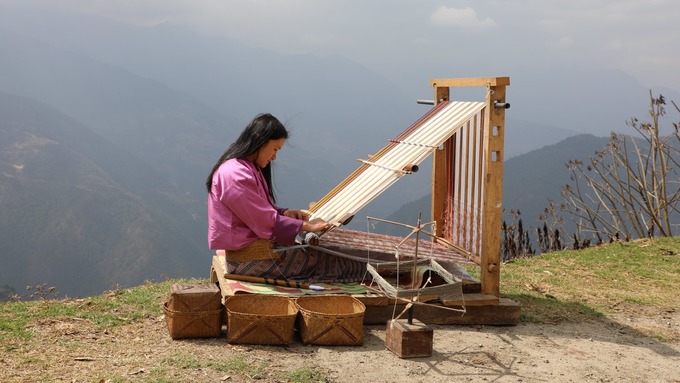
High on a cliffside nearly 2,000 metres above sea level in the Himalayan mountains of Bhutan, the wind whistles through jagged peaks, carrying the rhythmic chants of a woman at her loom. Threads of silk stretch taut across her backstrap loom, rising and falling beneath her nimble fingers, each pull a stitch in a story centuries in the making. This is Goenpa Kabab, a village suspended between sky and stone, where weaving is more than craft—it is a spiritual tradition, a lineage, and for many women, the heartbeat of daily life.
In this Buddhist, matriarchal community, women take immense pride in producing Kishuthara dresses, garments once destined for queens and princesses. Here, weaving is passed from mother to daughter, each generation threading patience, skill, and devotion into every piece. Sherab Tshomo, 41, recalls beginning her apprenticeship at the age of eight. “We learned from our mothers, sitting side by side at the loom. It was never just about weaving—it was about life, patience, and care,” she says.
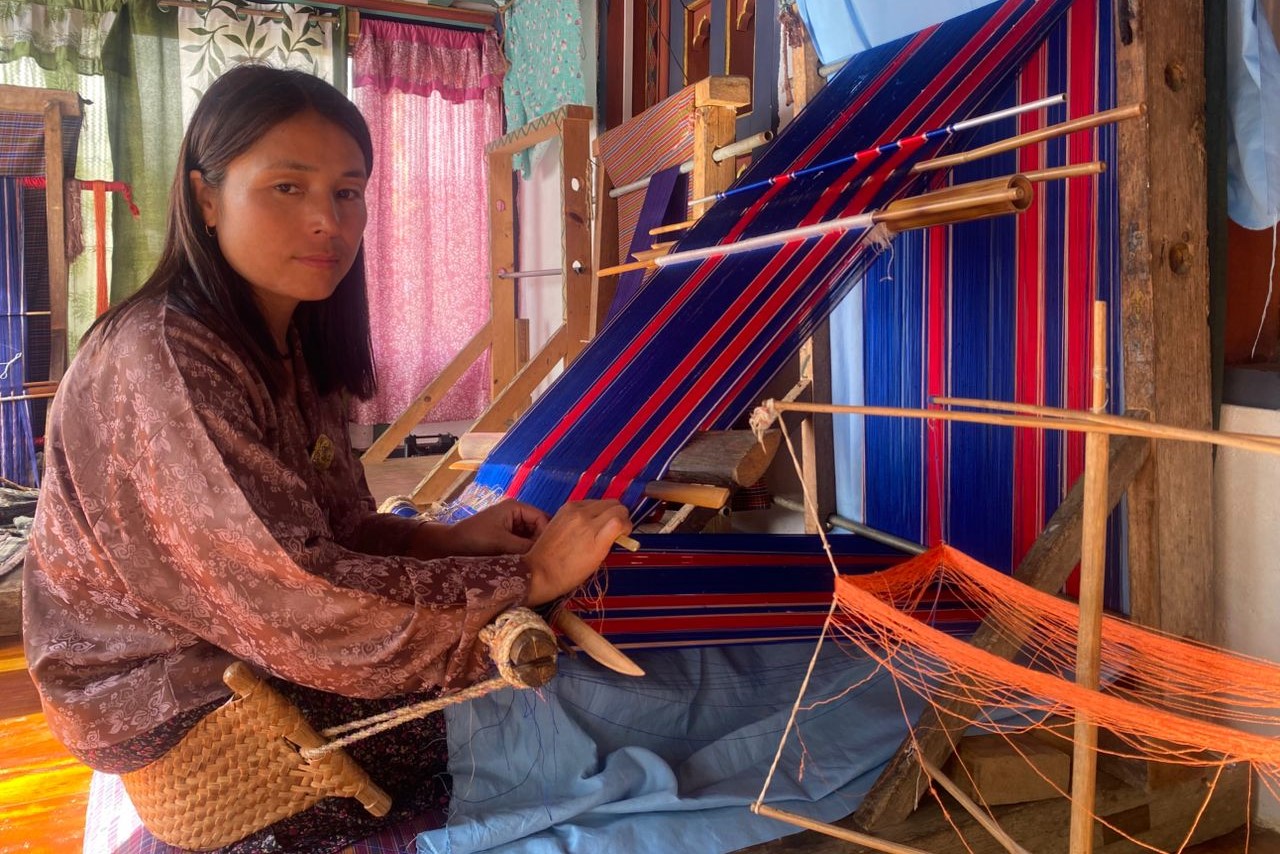
The making of a Kishuthara is a ritual that engages every sense. Raw silk is first dyed with local plants, such as indigo, then carefully cleaned, boiled, sun-dried, and spun into yarn. Finally, using the trima technique, artisans weave intricate raised patterns and motifs by hand, producing garments that are both functional and ceremonial, carrying the soul of the maker in every stitch.
Despite the beauty and international appeal of their textiles, many women face barriers in reaching broader markets. “We rely on people who travel from our village to deliver the fabric to cities,” Sherab explains. “We don’t know much about entrepreneurship, bookkeeping, or marketing. Smartphones have arrived, but using them effectively is still a challenge.”
Bridging the Himalayan heights to global audiences, the Food and Agriculture Organization of the United Nations (FAO), together with the Royal Government of Bhutan, has initiated programmes connecting these remote artisans to international fashion platforms. The Mountain Partnership Secretariat’s Fashion for Fragile Ecosystems project, funded by the Italian Development Cooperation, has been central to this effort, linking local artisans with international brands and helping their textiles find new audiences.
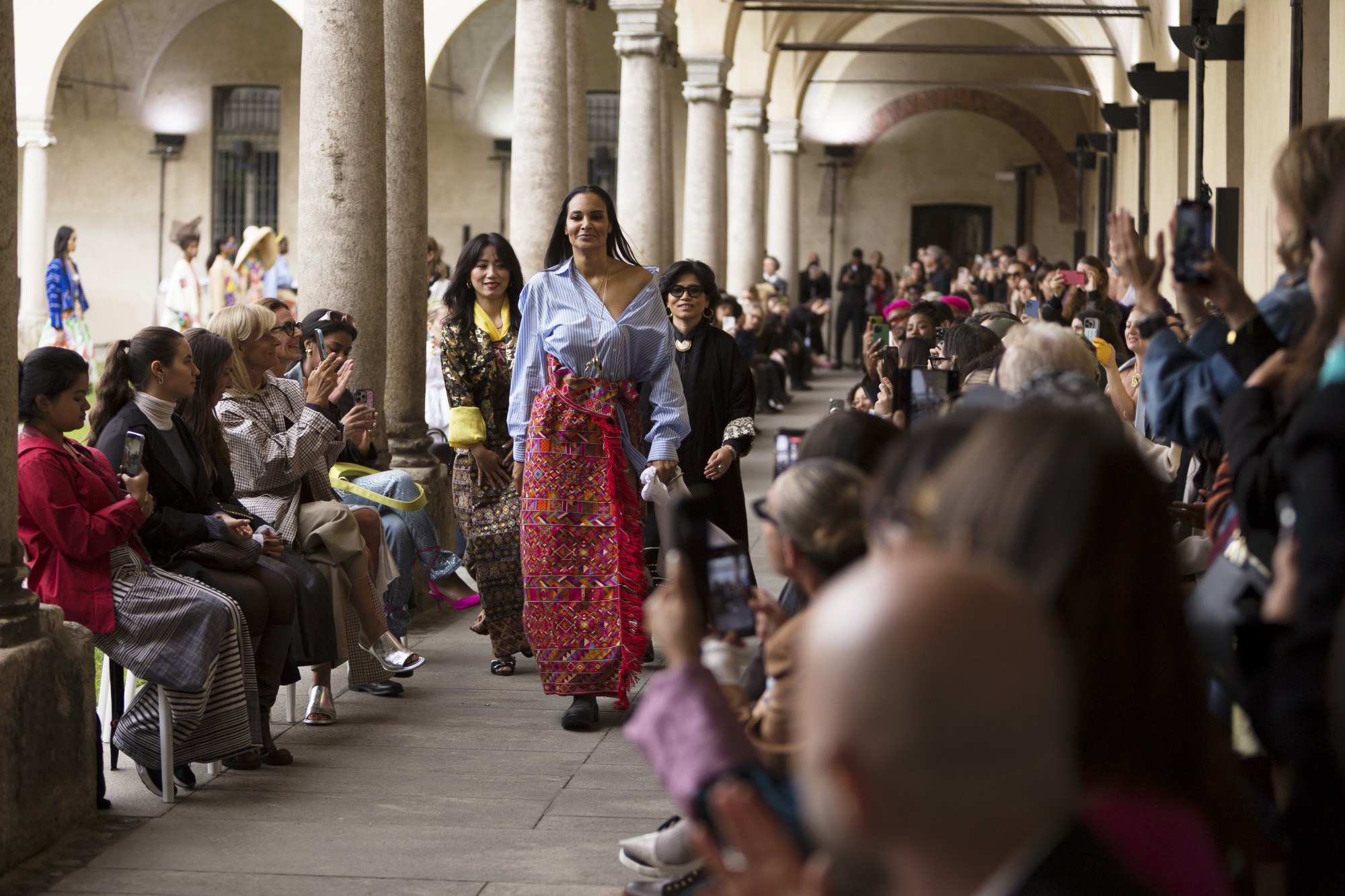
Mountain Partnership Goodwill Ambassador and fashion designer Stella Jean visited Bhutan to work closely with local designers and women artisans. Together, they co-created a capsule collection blending traditional weaving, appliqué, and embroidery into contemporary garments, later unveiled at Milan Fashion Week. “Before this training, I had only thought of weaving in the traditional way, making small bags or tablecloths for tourists,” Sherab says. “Now, I see the possibilities of international markets and collaboration in the textile industry.”
Two Bhutanese designers, Chandrika Tamang and Tashi Zangmo, were instrumental in this transformation. Chandrika combines zero-waste design with recycled materials, empowering women, especially single mothers. Tashi, known as Wangpe Couture, blends a lifelong connection to Bhutanese textiles with business expertise, creating garments that honour tradition while embracing innovation. “Traditional weaving is an art of patience,” she notes. “One piece can take months, sometimes more than a year. Unlike machine-made fabrics, each garment carries the hands, the patience, and the soul of its maker. That is what makes it irreplaceable.”
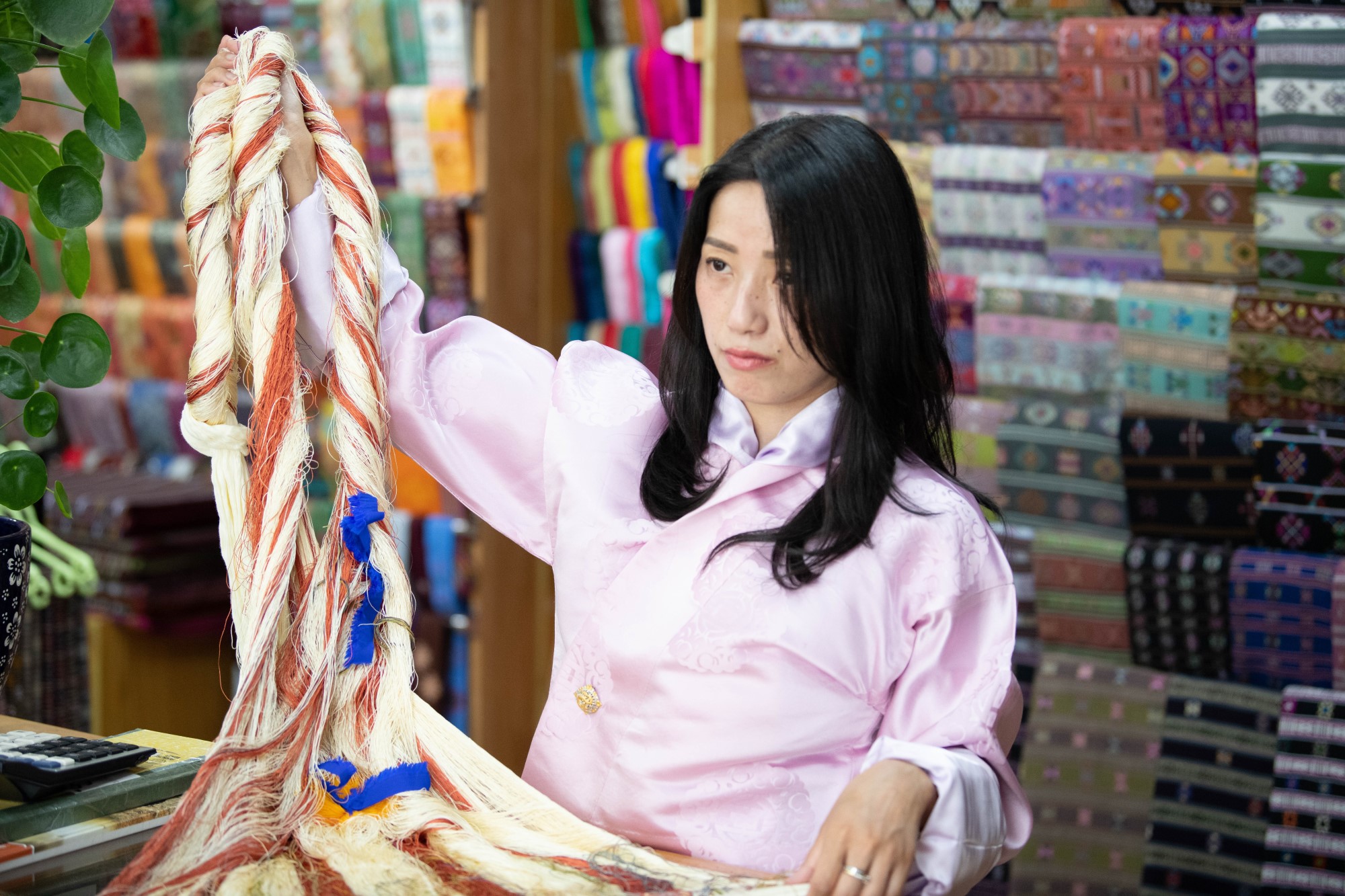
Through this collaboration, the hands of Sherab, Chandrika, Tashi, and their fellow artisans now reach far beyond their Himalayan villages, introducing ethical fashion to the world while supporting female entrepreneurship and improving livelihoods in remote communities. Importantly, the Bhutanese designers retain intellectual property rights for the collection, enabling them to continue producing and selling their garments independently on the international stage.
The Mountain Partnership Secretariat has also trained 18 women artisans in product branding, sustainable value chains, and certification processes through the Mountain Partnership Products initiative. Today, Kishuthara and Yathra textiles carry MPP narrative labels, telling the story of the craft, the land, and the people behind each piece to every buyer who holds them.
Fashion for Fragile Ecosystems is more than a programme—it is a bridge between generations, geography, and culture. By weaving centuries of knowledge with innovation, the initiative creates opportunities for mountain women while preserving a tangible cultural heritage. Each thread, each stitch, each finished garment becomes a testament to patience, resilience, and creativity, showing the world that ethical fashion is as much about heart and hands as it is about style.
Source: The FAO News And Media Office, Rome
– global bihari bureau