India Triumphs in First Blind Women’s T20 World Cup
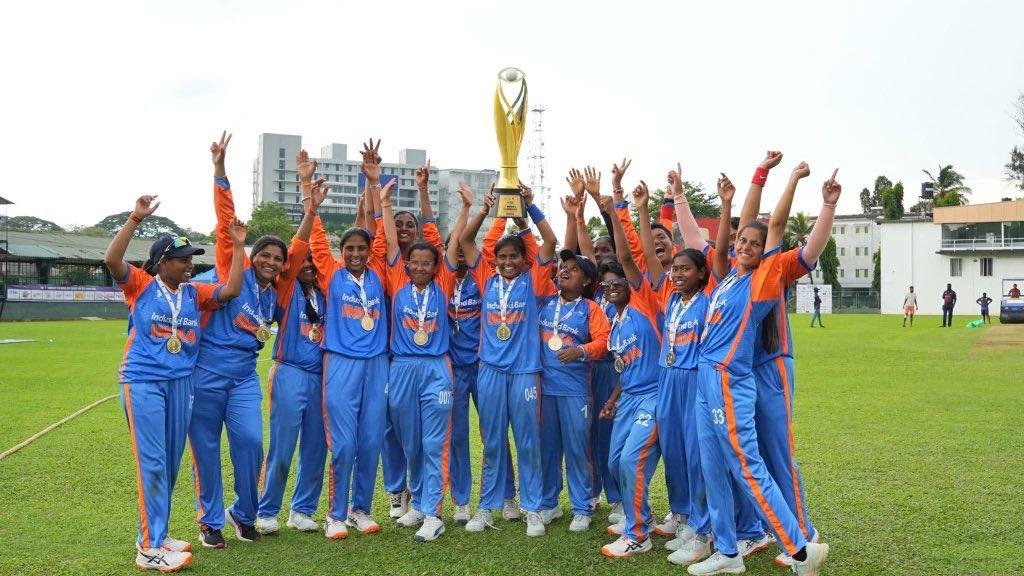
Colombo: On a warm Colombo evening, under the lights of the P. Sara Oval, a small white ball filled with metal bearings wrote a piece of history India will remember for generations. With its last rattle of the night, India became the first-ever Women’s T20 World Champions for the Blind, sealing a seven-wicket win over Nepal and completing an unbeaten run through the tournament.
Nepal’s 114 for 5 had looked competitive on a surface that demanded patience. But India have built their cricket around something more elemental than sight—timing, listening, and trust. Once the chase began, those instincts took over.
Phula Saren, later named Player of the Final, heard the match in ways the crowd could only see. Her 44 not out off 27 balls, struck with clean, confident hitting, was the sound of a champion at work. Beside her, K. Karuna kept the innings steady, guiding the scoreboard forward with the calm of someone who understood the weight of the moment. By the 73rd ball of the chase, India had reached 115 for 3, and the Oval erupted.
The victory capped a campaign that showcased India’s depth and discipline. Across league matches and knockouts, India defeated Sri Lanka, Australia, Pakistan, the USA, and Nepal, the six nations that made up this historic first edition. Their performances were built on consistent fielding across the B1, B2, and B3 categories, sharp calling between players, and bowlers who mastered the art of variations when line and length alone weren’t visible to them.
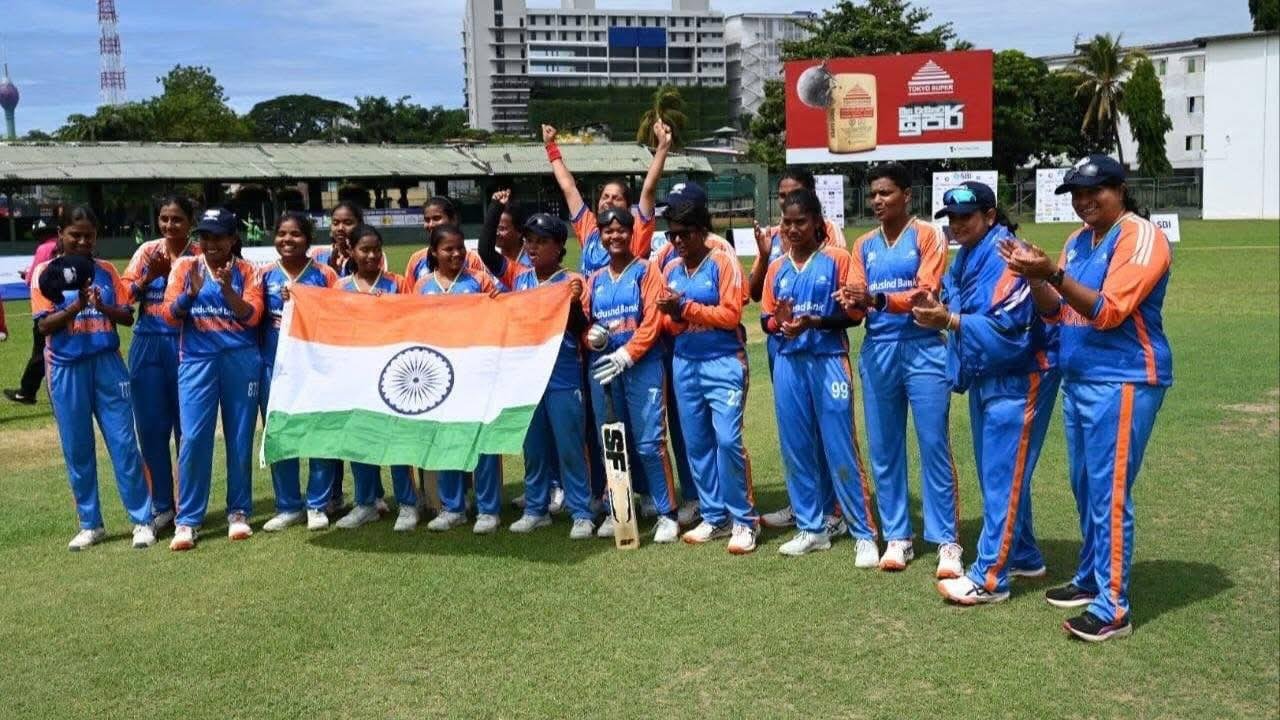
For women’s blind cricket, the moment represented a long-awaited arrival. The Cricket Association for the Blind in India (CABI), which has nurtured the sport for years, called the tournament a “milestone for global recognition.” It was the first time blind women from around the world had gathered for a World Cup, jointly hosted by Sri Lanka and India, giving the athletes a platform that had never existed before.
The scenes that followed the team’s arrival in Bengaluru on November 24 were proof of what the win meant back home. Supporters gathered at the airport, many carrying white canes, many simply wanting to touch the trophy to understand its shape, its weight, its reality. Videos shared by CABI showed cheers echoing across the terminal as the players walked out, garlanded and smiling.
Prime Minister Narendra Modi joined in celebrating the achievement, posting on X that the victory was “a shining example of hard work, teamwork and determination” and calling the unbeaten campaign “a historic sporting achievement.”
Behind the applause lies the quieter story of how blind women’s cricket grew in India—from school corridors where players first heard a rattling ball; from early tournaments shaped more by improvisation than infrastructure; from coaches and volunteers who kept building until the game grew strong enough to demand a global stage.
Colombo gave that stage. And India made it its own. For millions of visually impaired girls across the country, the triumph was more than a trophy. It was a reminder that ambition need not look like anything at all—it can simply sound like a rattling ball skimming along turf, moving toward a future that finally feels wide open.
The rattling ball has stopped for now. But the sound of barriers breaking will echo for generations.
– global bihari bureau