India Battles 32,000+ Chikungunya Cases
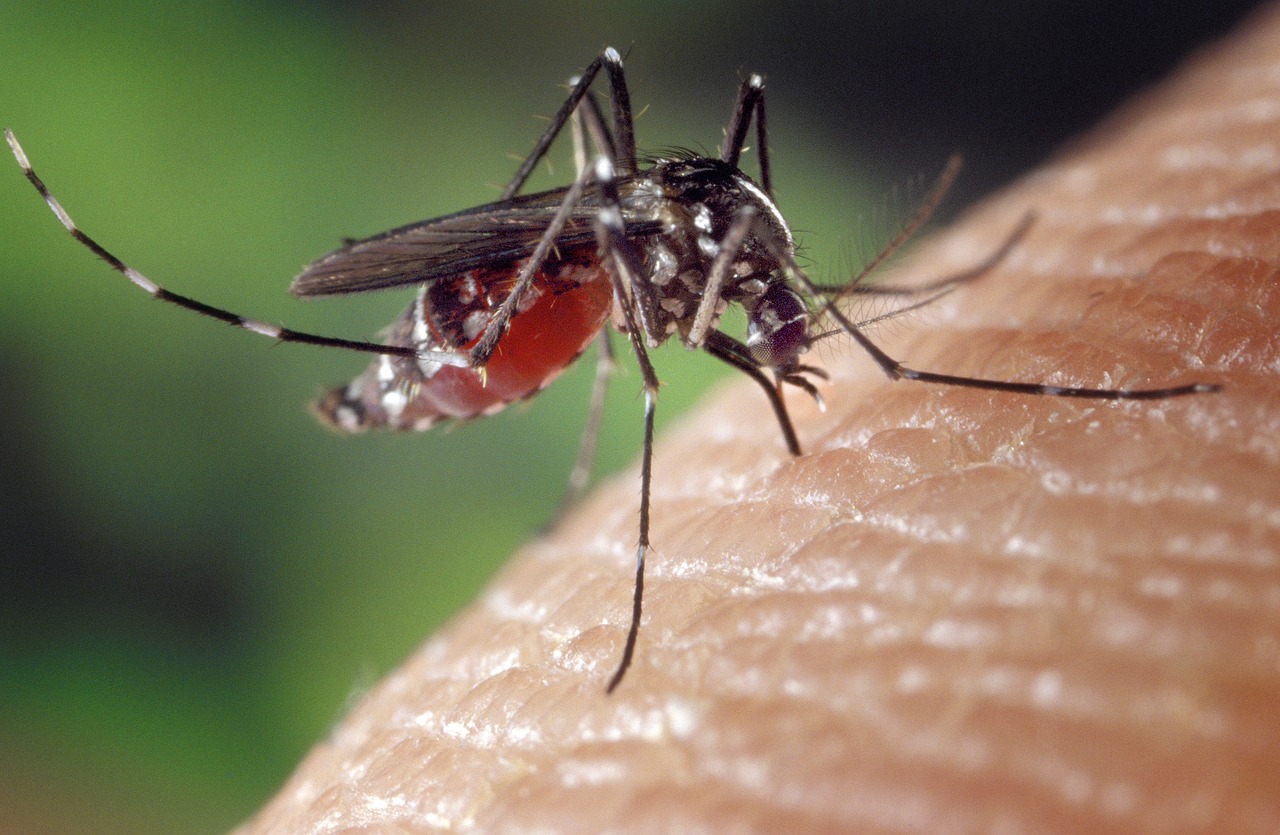
Geneva/New Delhi: A resurgence of chikungunya, a debilitating mosquito-borne viral disease, is sweeping across the globe in 2025, with India and its neighbouring countries in South Asia bearing a significant burden. The World Health Organization (WHO) reports today that between January and September 2025, 445,271 suspected and confirmed chikungunya cases and 155 deaths have been recorded across 40 countries, driven by the Aedes mosquito and fueled by climate change, unplanned urbanisation, and gaps in public health systems.
Over 32,617 cases have been reported in India, making it a focal point of the outbreak in the region, alongside Bangladesh, Sri Lanka, Pakistan and Thailand, where rising cases are straining healthcare systems and highlighting the urgent need for enhanced surveillance and vector control. The disease’s high attack rates, often affecting one-third to three-quarters of susceptible populations, pose a severe threat in densely populated areas like India, where sustained transmission risks overwhelming the healthcare infrastructure.
In India, the chikungunya outbreak has surged, with 30,876 suspected and 1,741 confirmed cases reported between January and March 2025, primarily in Maharashtra, Karnataka, and Tamil Nadu. The disease, characterised by fever and crippling joint pain that can persist for months or even years, is placing immense pressure on hospitals grappling with limited resources. The outbreak’s intensity is driven by the widespread presence of Aedes aegypti and Aedes albopictus mosquitoes, which thrive in India’s urban centres due to poor water management and monsoon-related breeding sites.
The WHO notes that India’s high population density and increased mobility heighten the risk of sustained transmission, particularly in areas with low immunity from previous exposures. In large populations like India’s, where many remain immunologically susceptible, the virus can persist, leading to prolonged outbreaks that strain healthcare systems.
Neighbouring Bangladesh is also grappling with a significant outbreak, reporting 732 suspected cases in Dhaka city alone by August 2025, with 400 confirmed by RT-PCR testing. The capital’s crowded conditions and inadequate sanitation exacerbate mosquito breeding, making vector control a daunting challenge. In Sri Lanka, 151 confirmed cases were reported by mid-March 2025, with the Western Province, particularly Colombo District, accounting for a third of cases. The outbreak peaked in June, affecting mostly adults aged 41–60, though children are increasingly at risk.
In Pakistan, CHIKV disease cases in 2025 have been reported at rates similar to those in 2024. A notable increase occurred between May 4 to June 21, 2025 (epi weeks 19 to 25), with 101 to 121 suspected CHIKV disease cases reported per week during this period. Pakistan and Somalia report 1,663 cases combined, while China in the Western Pacific region faces its largest-ever outbreak, with 16,452 local cases in Guangdong Province alone.
Thailand has reported 1,128 cases by mid-September, with Chiang Mai, Bueng Kan, and Loei provinces hardest hit. The elderly, particularly those over 60, make up a quarter of cases, reflecting the disease’s severe impact on vulnerable populations.
Globally, the chikungunya outbreak is uneven but alarming, with a continuous threat of introduction into new areas by infected travellers. The Americas lead with 228,591 suspected cases, including 96,159 confirmed in Brazil alone, alongside 111 deaths. Bolivia reports 5,372 cases, mostly in Santa Cruz, while Cuba has seen 34 confirmed cases across multiple provinces. In the European region, France’s overseas department of La Réunion has been hit hard, with 54,517 confirmed cases and 40 deaths, marking the island’s first autochthonous transmission since 2014. Mayotte reports 1,255 local cases, and Italy has 205 locally acquired cases across four clusters. The African region, with 2,305 cases across Comoros, Kenya, Mauritius, and Senegal, sees Mauritius as the epicentre with 1,583 cases. Additionally, 27 countries with established Aedes aegypti and Aedes albopictus populations, but no recorded chikungunya transmission, face a persistent risk of outbreaks, particularly where the E1 226V mutation enhances transmission efficiency.
The WHO attributes this resurgence to multiple factors: the expanded range of Aedes mosquitoes due to climate change and global trade, unplanned urbanisation, and weakened vector control programs. “Mosquitoes are finding new habitats, and with them, chikungunya is reaching areas previously unaffected,” said Dr Maria Van Kerkhove, WHO’s emerging diseases lead. The virus, transmitted by Aedes mosquitoes that also carry dengue and Zika, spreads rapidly in areas with susceptible populations and favourable conditions like standing water. In India and its neighbours, monsoon rains and poor waste management create ideal breeding grounds, while conflict and instability in places like Somalia exacerbate public health challenges. In smaller settings, such as islands, transmission may wane after a portion of the population gains immunity, but in large populations like India’s, sustained outbreaks are likely without robust intervention.
Chikungunya’s symptoms—fever, severe joint pain, rash, and fatigue—overlap with dengue, leading to frequent misdiagnosis, particularly in India, where dengue surveillance often overshadows chikungunya. Severe cases, especially among infants, the elderly, and those with comorbidities, can lead to complications like neurological damage or heart issues, requiring hospitalisation. The WHO emphasises early detection and proper clinical management, using paracetamol for fever and pain relief, as no specific antiviral treatment exists. Two chikungunya vaccines have received regulatory approval, but their limited availability hampers widespread use.
Public health responses are underway but face significant hurdles. In India, the Ministry of Health has ramped up surveillance and vector control, including larviciding and fogging, but resource constraints limit effectiveness. Bangladesh and Sri Lanka are implementing community education campaigns to reduce mosquito breeding sites, while Thailand’s targeted interventions in high-risk provinces include drone-assisted spraying. Globally, the WHO stated today that it is supporting countries through training, surveillance enhancements, and technical guidelines. In Mauritius, where 1,583 cases were reported, vector control and community engagement have been prioritised. Kenya’s Mombasa outbreak, with 614 cases, prompted larvicide treatment of over 2,000 breeding sites and distribution of insecticide-treated nets.
The WHO’s risk assessment warns of significant potential for further spread, particularly in the 27 countries with Aedes mosquito populations but no recorded chikungunya transmission. India’s neighbours, including Nepal and Myanmar, are at risk due to cross-border travel and shared environmental conditions. “We need stronger surveillance, better diagnostics, and community-driven mosquito control to stop this,” said Dr Peeperkorn, WHO’s regional advisor. The organisation calls for urgent investment in healthcare capacity, vector surveillance, and public awareness to mitigate the outbreak’s impact. In India, where the disease’s high attack rates and debilitating effects are felt acutely, the need for immediate action to protect communities and prevent a deeper public health crisis is undeniable.
– global bihari bureau