Aid Rethink Amid US-India Tariff Gaps
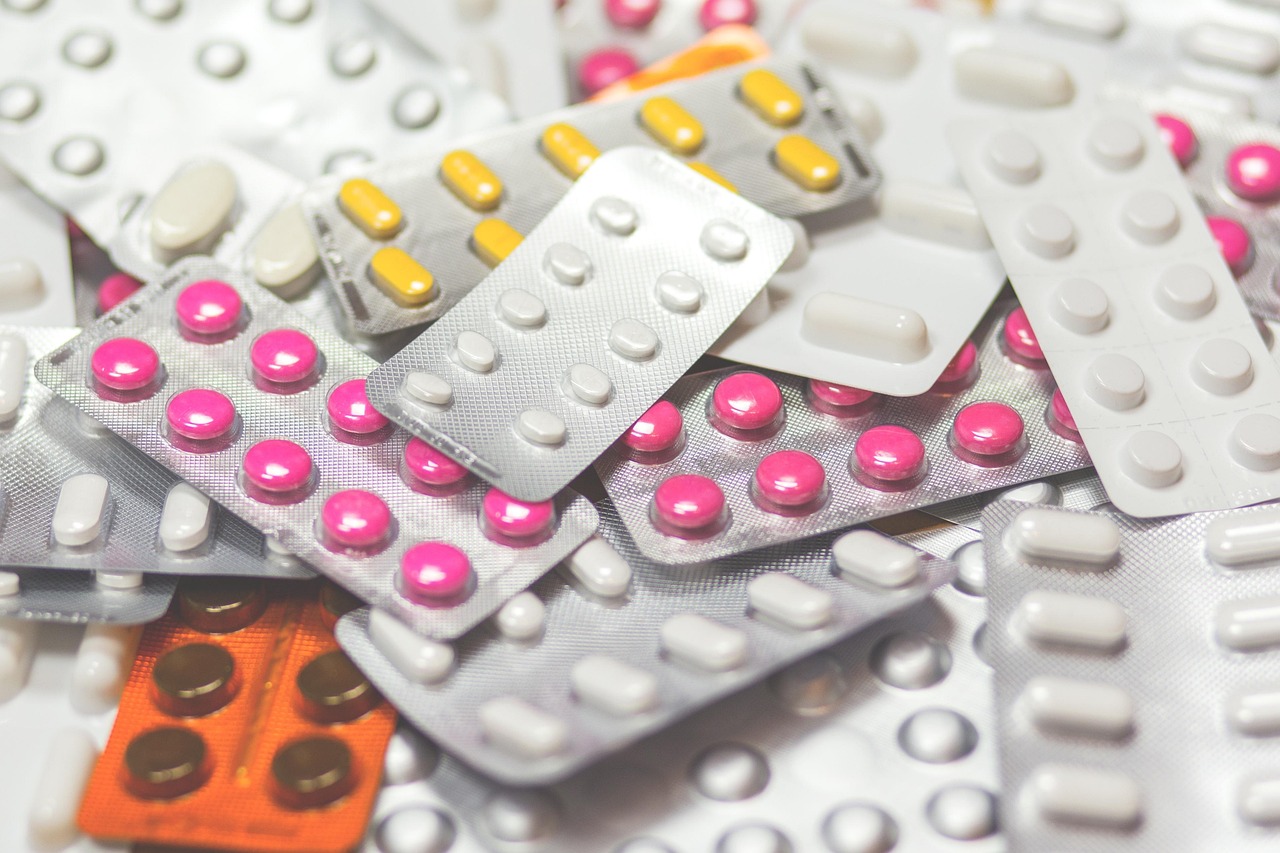
Washington: The America First Global Health Strategy unveiled today could alter health assistance to India, a key recipient for tuberculosis control, maternal and child health, and infectious disease surveillance. This development comes amid a significant pharmaceutical trade, where India exported $12.73 billion in drugs to the United States in 2024 (as reported by the U.S.), while importing $635.37 million from the U.S.
The strategy has three pillars: Safer, Stronger, and Prosperous. It builds on 25 years of U.S. global health programmes that stopped thousands of outbreaks from reaching U.S. shores. They saved over 26 million lives through the President’s Emergency Plan for AIDS Relief (PEPFAR). They also prevented 7.8 million infant HIV infections. Yet, the strategy critiques inefficiencies. Only 25 per cent of funds are allocated to commodities like diagnostics and drugs. Another 15 per cent support over 270,000 frontline healthcare workers, mostly nurses and community aides. The remaining 60 per cent goes to technical assistance, programme management, and overhead. This has fostered dependency in recipient countries, including India.
The ‘Safer’ pillar maintains a global surveillance system to detect outbreaks early. It involves working with local governments to contain threats and surging resources when needed. Traveller screening aims to block diseases from reaching the U.S. or harming Americans abroad.
For India, with over 2.6 million annual tuberculosis cases, this could enhance joint monitoring efforts. Past U.S.-India collaboration under the Global Health Security Agenda supports this. However, the focus on U.S. security may prioritise cross-border risks over India’s endemic diseases.
The ‘Stronger’ pillar uses health aid to advance U.S. interests and promote self-reliant health systems. It requires multi-year bilateral agreements with key recipients, set for completion by December 31, 2025, and implementation by April 2026. These agreements ensure full funding for frontline supplies and healthcare workers. They mandate data systems to track epidemiology, services, and supply chains. Technical assistance will shift from clinics to government-led systems, using direct government-to-government channels, the private sector, or faith-based groups. India must co-invest and meet performance benchmarks for continued U.S. funding.
India received approximately $1.4 billion in U.S. bilateral health aid from Financial Year 2015-2024 via USAID. This was $70-90 million annually pre-COVID, rising to $100-228 million recently, including COVID-19 spikes. This accounts for about 1.3 per cent of U.S. global health spending ($110 billion over the decade). The strategy prioritises the Asia-Pacific, including tuberculosis programs where India is a key partner. However, moving from NGOs, which deliver aid in India’s remote areas, to government-to-government models could disrupt programmes. India’s co-investment requirement may strain budgets amid domestic health needs.
The ‘Prosperous’ pillar protects the U.S. economy by containing outbreaks abroad. It promotes American health innovation by procuring aid goods from U.S. firms and marketing them via bilateral ties. India’s pharmaceutical trade with the U.S. is critical here. In 2024, India exported $12.73 billion in pharma products to the U.S. (U.S.-reported), about 40 per cent of U.S. generic imports by volume and 31 per cent of India’s $25 billion global pharma exports. The U.S. exported $635.37 million to India, creating an $12 billion Indian surplus. U.S. applied MFN tariffs on Indian pharma average 0.8 percent (0-6.5 percent on some sub-lines under HS Chapter 30), bound at zero percent via the WTO Pharmaceutical Agreement, but Indian imports currently benefit from temporary exemptions from 2025 Trump-era tariffs (up to 50 percent on other Indian goods), due to U.S. reliance on affordable generics; this exemption is under review in a Section 232 national security investigation (initiated April 2025), which could impose new duties overriding World Trade Organization (WTO) bindings.
India imposes 5-10 per cent basic customs duties plus 12-18 per cent GST on U.S. pharma imports, a gap fueling U.S. calls for reductions in ongoing trade talks. India could gain from joint ventures, as seen in U.S.-backed COVID-19 vaccine production, supporting its Vaccine Maitri exports to over 100 countries. Yet, U.S. procurement preferences may limit India’s local manufacturers, especially if Section 232 leads to tariffs. The strategy’s focus on HIV, malaria, tuberculosis, and polio may sideline India’s needs in maternal health, cholera, or measles vaccinations. U.S. global health spending ($10-15 billion annually) may face reallocation, potentially cutting India’s share. India’s WHO role for the Global South could weaken with the strategy’s multilateral retreat, echoing past Donald Trump-era World Health Organization (WHO) withdrawal impacts, with critics projecting over 14 million excess global deaths by 2030 from such cuts.
Broader discourse on U.S.-India health and trade policies shows early interest on social media platforms. For instance, an Indian-American physician commented on “America First” isolationism in policy analysis. An Indian surgeon criticised U.S. aid favouring other nations. The Indian Pharmaceutical Alliance highlighted drug affordability amid global shifts. South Asian Voices, led by Indian-origin editors, discussed U.S. actions limiting India’s influence. Another commentator noted the U.S. linking India to Pakistan on drug issues. These suggest potential scrutiny of the strategy’s implications for India’s health programmes and pharma sector. Outcomes depend on bilateral talks by December 31, 2025.
– global bihari bureau