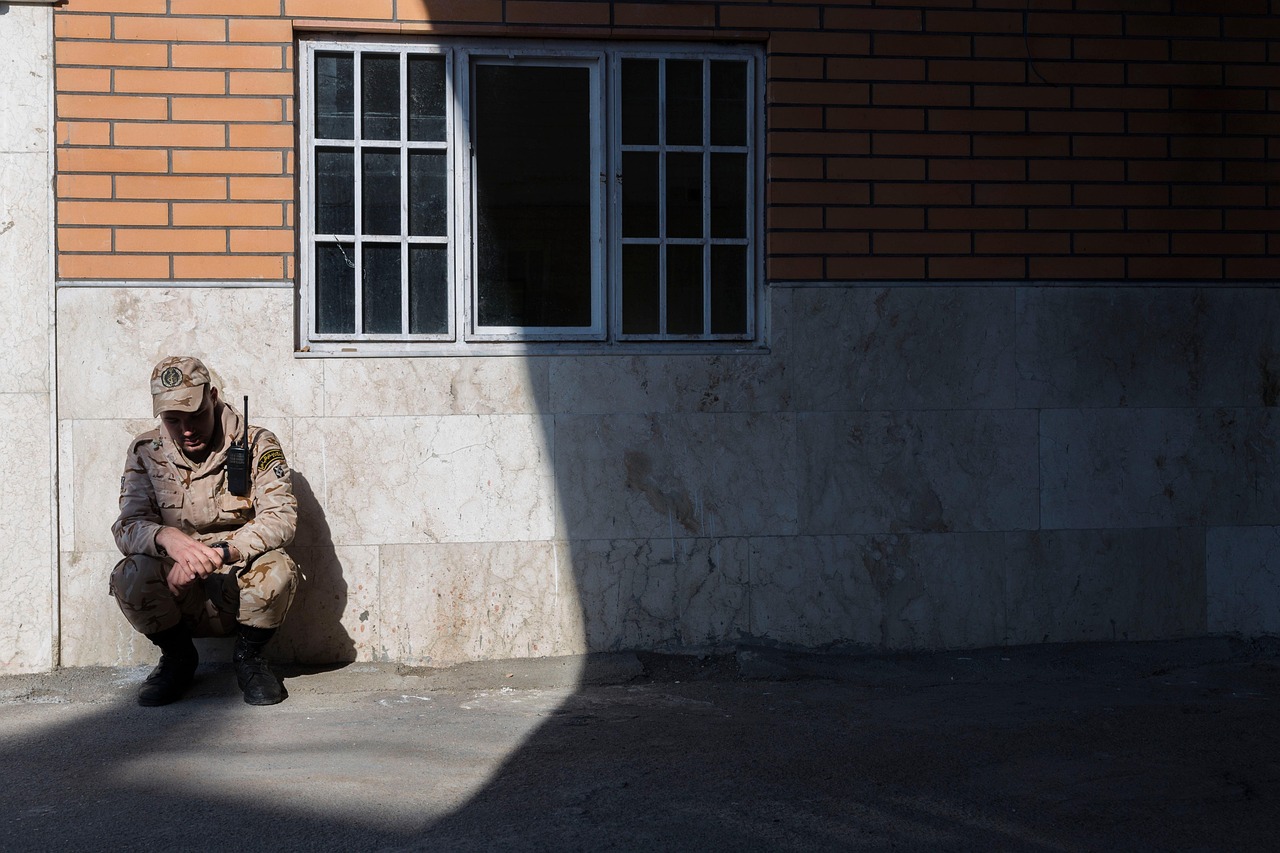
An Iranian soldier
Tehran/Geneva: The echoes of missile strikes have faded, but the wounds of a 12-day war with Israel, beginning June 13, 2025, linger across Iran, where 627 people lost their lives and nearly 5,000 suffered injuries, as reported today by Stefan Priesner, United Nations (UN) Resident Coordinator in Iran.
From the Iranian capital, where he remained throughout the conflict, Priesner spoke via Zoom to journalists in Geneva, painting a picture of a city transformed as millions fled north on that first Friday morning, seeking safety from strikes that hit Tehran and other regions. The war, marked by relentless exchanges, ended with a ceasefire days ago, leaving the United Nations scrambling to address needs still taking shape.
Priesner said that in the early morning hours of June 13, a number of attacks took place in Tehran and other parts of Iran, followed by multiple attacks by either side over the next 12 days, resulting in 627 deaths and almost 5,000 injuries. He noted that it’s only a few days since the conflict basically has stopped and a ceasefire was agreed upon, making discussions with the Iranian government to adapt existing programmes critical yet challenging. The strikes left Iran’s health sector reeling, with several hospitals and ambulances damaged, Priesner explained, highlighting urgent demands for medical resources.
Also read: Middle East: Can Diplomacy End the Eternal Conflict?
The United Nations operates in Iran through 18 agencies, with 50 international staff and 500 national staff, managing a $75 million budget last year, two-thirds dedicated to supporting four million refugees, mostly Afghans, and the rest for development and climate projects, including adaptation and mitigation work.
The war’s fallout has amplified another crisis: a surge of Afghan refugees returning to their homeland, either voluntarily or through deportation, stretching resources across borders.
At the Islam Qala border, buses arrive every few hours, carrying exhausted and desperate Afghan families with their belongings, many returning to a country they barely know after decades in Iran, said Arafat Jamal, United Nations High Commissioner for Refugees (UNHCR) Representative in Afghanistan.
The UNHCR reported 36,100 Afghans crossing on June 26 alone, with daily returns rising from 5,000 to nearly 30,000 since the conflict began. Jamal, fresh from the border, noted that the recent Israel-Iran war accelerated their return, pushing numbers to a record high, while deep funding cuts have made humanitarian aid operations increasingly challenging. He warned that Afghanistan, impoverished and unprepared, struggles to support these returnees, particularly women and girls who face extreme gender injustice, losing access to education and jobs they held in Iran.
In Iran’s cities and villages, families who fled the strikes now return to homes scarred by conflict, facing disrupted healthcare and uncertain futures. UN staff, spread across the country, work tirelessly to assess damage and redirect resources, from medical supplies for hospitals to support for displaced communities, as Priesner’s team coordinates with local authorities to meet immediate needs.
The ceasefire offers a fragile moment to rebuild, but for Iranians mourning their losses and Afghans stepping into an unfamiliar homeland, the United Nations’ efforts remain a lifeline, bridging the gap between crisis and recovery in a region reshaped by war.
– global bihari bureau