eaweed’s uses span the food, industrial, agricultural and energy sectors. ©FAO/ Dadis Dawnavie
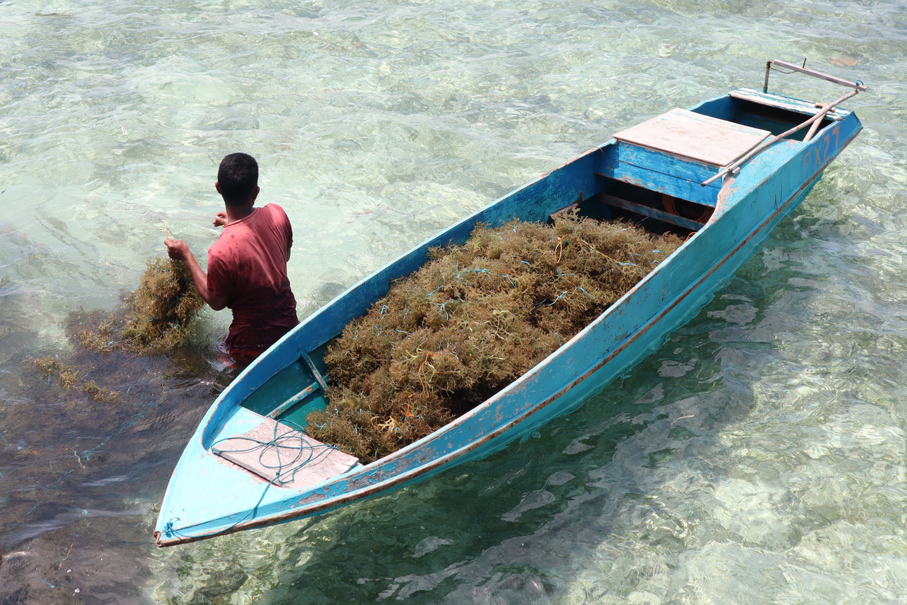
Tawi-Tawi: In the turquoise embrace of the Celebes Sea, where the horizon kisses the sky, men in weathered wooden boats carve their paths through the waves. Each dawn, they venture out from a tiny island in the Philippines’ Tawi-Tawi province, their calloused hands coaxing seaweed from the ocean’s depths. As the sun dips low, they return, their boats brimming with glistening bundles of agal-agal—Eucheuma and Kappaphycus seaweeds, the unsung heroes of their island’s economy. On shore, women like Imilita Mawaldani Hikanti await, their arms strong and sure, hauling the heavy harvests up creaky wooden ladders to stilt houses that sway precariously over the sea. Here, in these airy homes perched on stilts, the seaweed is sorted, cleaned, and prepped for sale—a ritual that stitches together the fabric of their community.
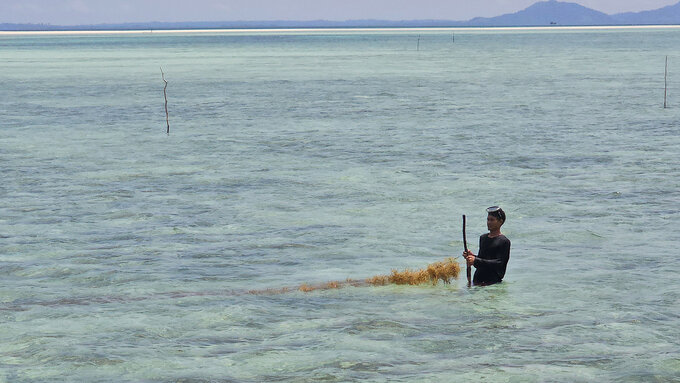
For the people of Tawi-Tawi, dubbed the “Seaweed Capital of the Philippines,” seaweed isn’t just a crop; it’s the heartbeat of their existence. Producing a staggering 40 per cent of the nation’s 600,000-tonne annual seaweed output, this province fuels global markets with carrageenan, a gelling agent that thickens everything from ice cream to toothpaste. “I’ve been farming seaweed since I was a child,” Imilita shares, her voice carrying the weight of generations. “My parents, my husband’s family—they all lived by it. It’s not just our work; it’s who we are.”
The Tides of Trouble
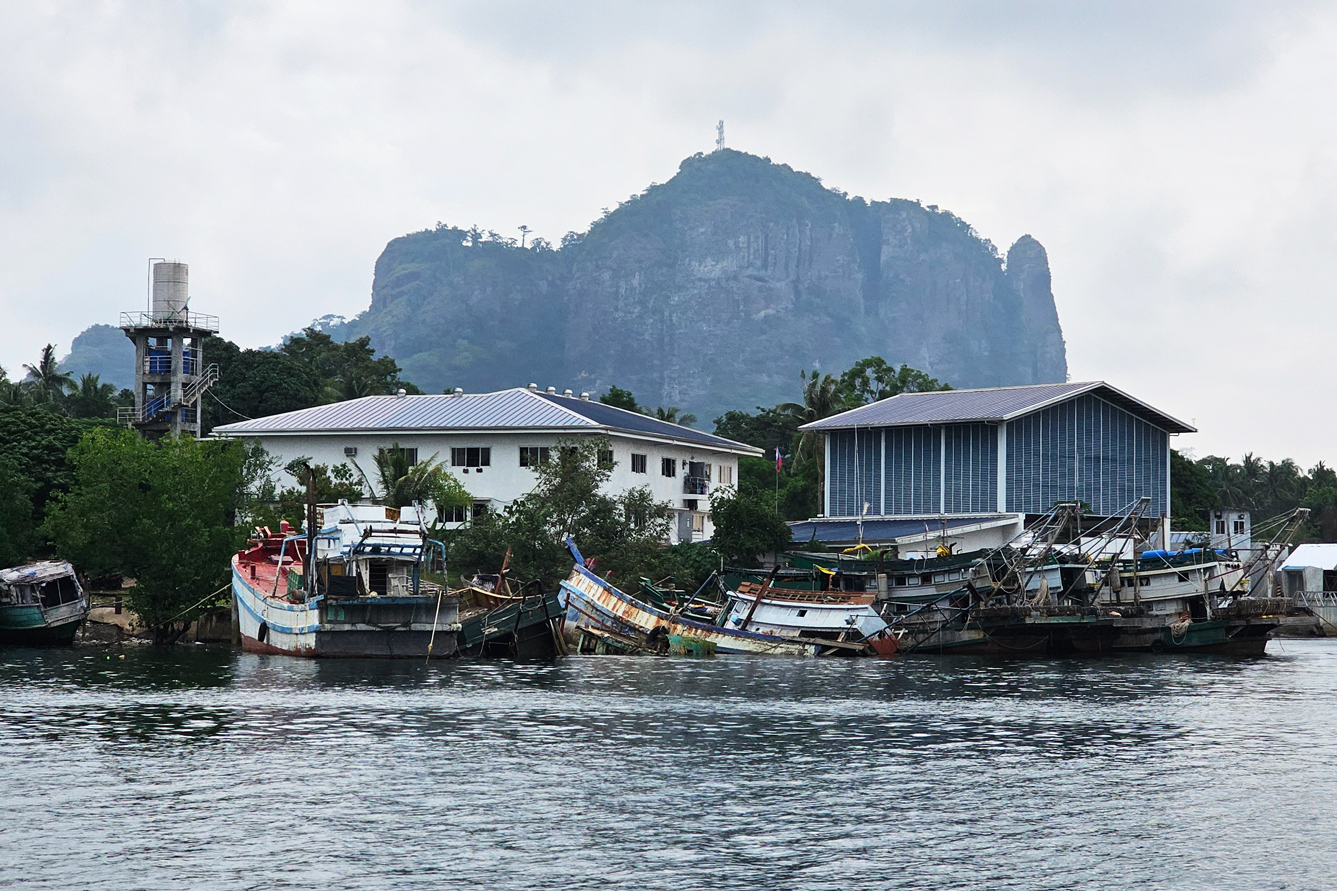
Yet, beneath the surface of this vibrant trade, storm clouds gather. The seaweed industry faces a tempest of challenges: volatile prices, plant diseases, and the creeping shadow of climate change. In 2024, global competition drove the price of raw dried seaweed to a dismal PHP 25 per kilo (about USD 0.44), plunging farmers into losses. “It’s heartbreaking,” says Siyulay Juhan, a local farmer, his brow furrowed. “When ice-ice disease hits, the seaweed turns white and soft. We either rush to harvest or lose it all.” This bacterial blight, worsened by warming seas, is a stark reminder of nature’s unpredictability.
Desperate to survive, some farmers turn to practices that scar their environment—chopping mangroves for charcoal, spearfishing, or crushing seabed rocks for gravel. These stopgaps, born of necessity, threaten the very ecosystems that sustain their livelihoods. The future of seaweed farming, once a proud legacy passed from parent to child, now teeters on the edge.
A Beacon of Hope: The FAIR-Value Project
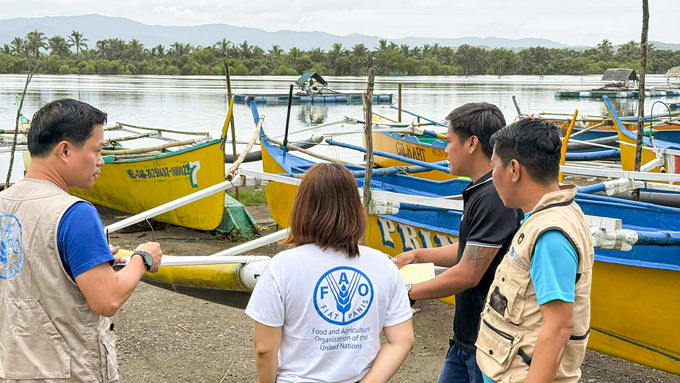
Enter the Farmer-Fisherfolk’s Advancement and Integration to Resilient Value Chains (FAIR-Value) project, a lifeline cast by the Food and Agriculture Organization of the United Nations (FAO), alongside Bangsamoro authorities, the International Organization for Migration, and the International Trade Centre. Funded by the European Union, this initiative is a bold bid to fortify Tawi-Tawi’s seaweed industry. It’s not just about growing more seaweed; it’s about growing smarter, dreaming bigger, and selling wiser.
The project’s hands-on training programs are a revelation for farmers like Javier A. Abdul. “I used to think it was just about planting and harvesting,” he says, a spark in his eyes. “Now I know quality is everything. Clean seaweed means better prices, and that means profit.” Through farm field schools, farmers learn sustainable techniques, from preparing planting materials to setting up farms that withstand the whims of the sea. They swap stories, share tricks, and build a collective resilience that’s as strong as the tides.
But the training goes beyond the fields. It’s a crash course in business savvy—pricing, distribution, and tapping into markets most farmers never knew existed. “Seaweed isn’t just for carrageenan,” explains Lionel Dabbadie, FAO Representative in the Philippines. “It’s food, it’s fertiliser, it’s energy. We’re teaching farmers to see the possibilities and seize them.”
From Seaweed to Souvenirs: Diversifying Dreams
The FAIR-Value project also nudges farmers toward new horizons. Sitti Juhalla M. Hassan, a mother of eight, once relied on selling mamon and puto—Filipino cakes that are as fluffy as they are beloved. But with costs soaring, her small business wobbled. Then she discovered seaweed purée, a game-changer that slashed her costs and added a nutritious twist to her snacks. “It’s like the sea gave me a new recipe,” she laughs, her stall now bustling with customers.
Others are exploring seaweed-based pasalubong, those cherished Filipino souvenirs that travellers snap up. From crispy seaweed chips to bio-stimulants for crops, these products are a lifeline, reducing reliance on the fickle carrageenan market. The FAO is bridging the gap, connecting farmers with producers who see seaweed’s potential.
A Ripple Effect
So far, 100 farmers have graduated from the training, and the ripple effect is palpable. The plan is to turn these pioneers into trainers, spreading knowledge through future farmer field schools. “They’ll be the ones to lift their neighbours up,” Dabbadie says, his voice brimming with optimism.
In Tawi-Tawi, where the sea is both cradle and crucible, seaweed farmers are rewriting their story. Armed with new skills, a sharper understanding of markets, and a defiant spirit, they’re not just surviving—they’re thriving. The stilt houses still sway, the ladders still creak, but the future feels a little steadier, buoyed by the promise of a harvest that’s more than just seaweed. It’s hope, woven from the waves.
Source: The FAO News And Media Office, Rome
– global bihari bureau