The Holy Ganga
New Delhi: To rally environmentalists, scientists, lawyers, and citizens to advocate for legal personhood for the Ganga and Yamuna rivers, Matrisadan and Tarun Bharat Sangh will host a seminar titled “Ticking Time Bomb – Time for Decisive Action”, in New Delhi on August 25, 2025.
The event aims to address “how long and at what cost the environment can withstand the pressure of destruction,” focusing on illegal mining, hydropower projects, and Himalayan ecological threats.
It builds on a July 30, 2025, Uttarakhand High Court order to close 48 illegally operated stone crushers along the Ganga’s banks in Haridwar, now contested through a special leave petition (SLP) in the Supreme Court, linked to Matrisadan’s campaign to revive a 2017 High Court decision recognizing the rivers as “living human entities,” stayed by the Supreme Court on July 7, 2017.
The July 30 ruling, prompted by Matrisadan’s public interest litigation (PIL), enforces National Mission for Clean Ganga (NMCG) and Central Pollution Control Board (CPCB) directives from October 9, 2018, and December 6, 2016, respectively, to halt mining and stone-crushing within a 5-kilometre radius of the Ganga in Haridwar.
Water conservationist Dr Rajendra Singh, President of Rashtriya Jal Biradari, urged collective action, stating, “This is the time for all of us to come together and join our strengths and forces for getting legal status for our mother Ganga so that she gets the respect, devotion, and action she deserves.”
Matrisadan, based in Haridwar, claims to have campaigned for over three decades “to keep the Ganga in its natural, pure, and uninterrupted flow,” led by Swami Shivanand Saraswati, with 68 satyagrahas, 23 led by him. It asserts that “the saints here have even sacrificed their lives for the Ganga’s protection.”
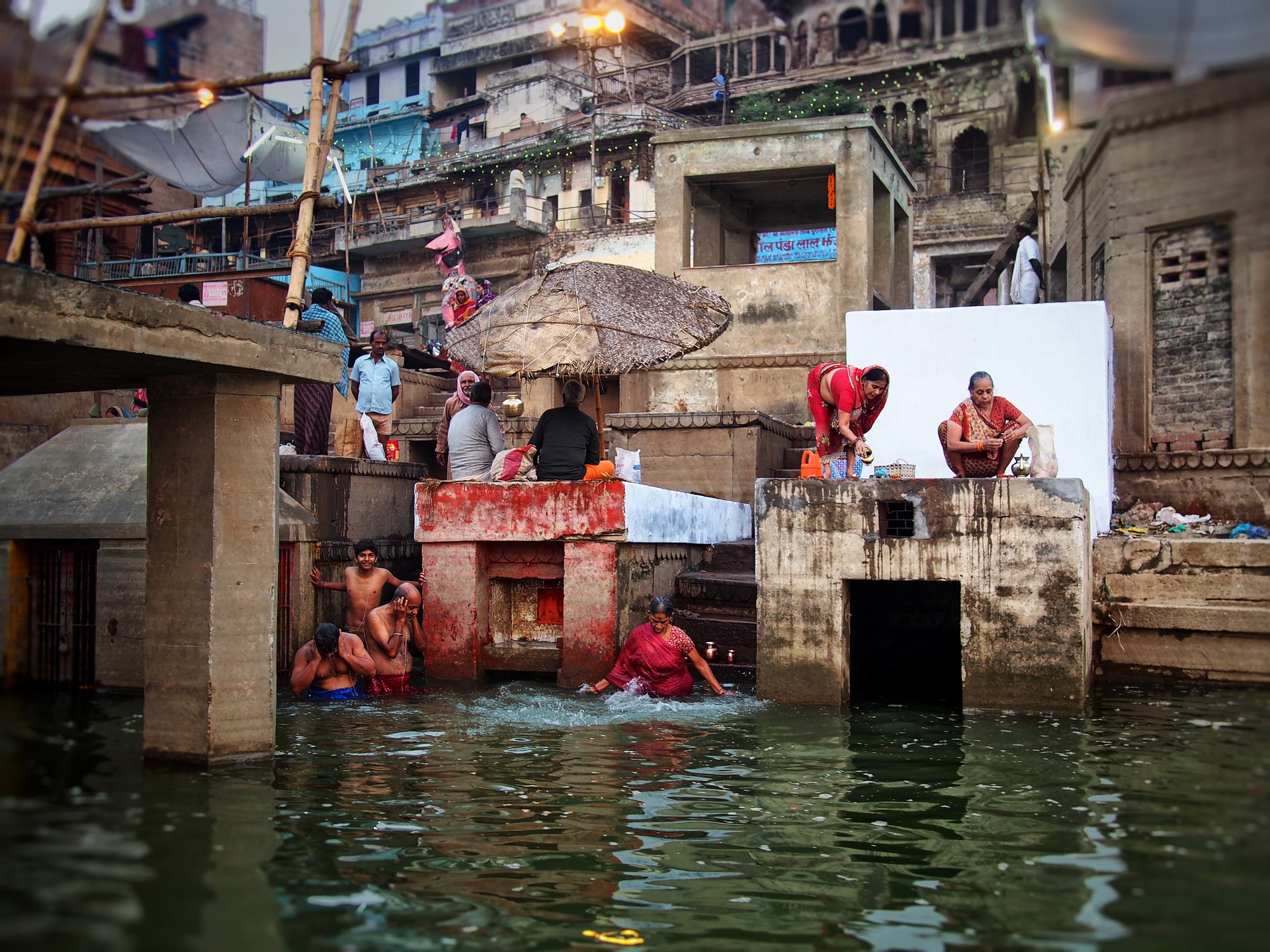
The organisation describes the Ganga as “Maa Ganga,” a maternal figure central to India’s spiritual and cultural life, with Singh stating, “All of us Indians, wherever we are in the world, address Ganga as ‘Maa Ganga.’ In our ‘unwritten Constitution,’ we consider Ganga as our mother, giving her the human status of being our mother.”
Matrisadan claims modern influences have led to ecological harm, necessitating legal protection. It alleges “collusion between the administration and mining mafia” caused persistent violations. It points out that the 2017 High Court ruling, under Justice Rajiv Sharma, declared the Ganga and Yamuna “living human entities,” appointing the Director of the Namami Gange project, Uttarakhand Chief Secretary, and Advocate General as “legal parents.” The Uttarakhand government challenged this, citing multi-state accountability issues, leading to the Supreme Court stay.
The current PIL connects to the 2017 case and another banning floodplain mining, with the SLP offering a chance to revisit legal personhood, inspired by New Zealand’s Whanganui River, which gained legal status in 2017 after a 170-year Māori struggle.
Matrisadan’s efforts have faced significant challenges, though. In 2018, Swami Gyan Swarup Sanand (formerly Prof. G.D. Agrawal), Matrisadan’s vice-president, died on October 11 during a 111-day hunger strike after being removed from Matrisadan on October 10. Matrisadan claims “this order was never allowed to reach Swami Sanand,” alleging the NMCG’s 2018 order was withheld.
In November 2021, the Haridwar District Magistrate authorised mechanised mining, prompting Swami Shivanand’s satyagraha from January 24 to February 16, 2022, which ended due to unfulfilled NMCG assurances. On March 16, 2022, the High Court stayed mining, but enforcement lagged. Matrisadan raised “serious objections to the hearing process,” leading two Chief Justices to recuse themselves, with a special bench formed on April 14, 2024. The court noted violations of 2017 and 2018 orders, referencing a 2017 contempt petition and a state notification claiming crusher closures, later reversed due to an “invalid legal opinion.”
Matrisadan warns that “humanity is passing through an unprecedented crisis” and that protecting these rivers is “a question of the survival of all life.” The seminar aims to build a coalition for the Supreme Court case, potentially setting a precedent for environmental governance in India.
– global bihari bureau