River-Linking Project Fells Over 12,000 Trees in Panna Tiger Reserve
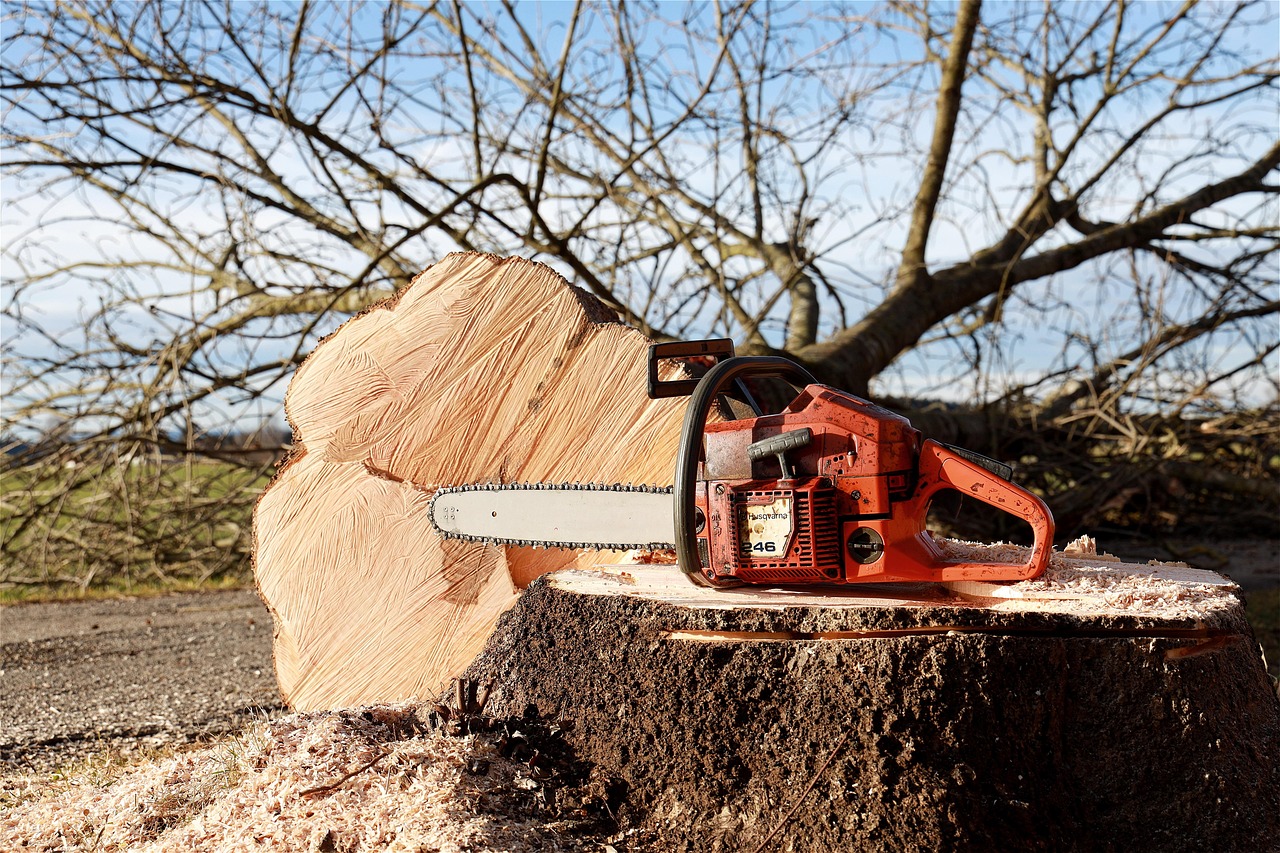
New Delhi: Under the Ken-Betwa Link Project (KBLP), the first river interlinking initiative under India’s National Perspective Plan (NPP) to move into implementation, approximately 17,101 trees have been identified for felling in Madhya Pradesh to enable the construction of the Daudhan Dam and associated infrastructure. Of these, 12,404 trees have already been felled inside the Panna Tiger Reserve Forest, according to a written reply tabled in the Rajya Sabha today by Minister of State for Jal Shakti, Raj Bhushan Choudhary.
The KBLP is the most advanced of the 30 interlinking projects identified under the NPP, which aims to transfer water from surplus river basins to deficit regions. Administered by the National Water Development Agency (NWDA), the programme includes 14 link projects under the Himalayan Component and 16 under the Peninsular Component. As of July 2025, Pre-Feasibility Reports (PFRs) have been completed for all 30 projects, Feasibility Reports (FRs) for 26 projects, and Detailed Project Reports (DPRs) for 11. The Ken-Betwa Link remains the only one currently under execution.
With a total budgetary provision of ₹4,469.41 crore, KBLP has already incurred ₹3,969.79 crore in expenditure over the last three financial years. The project also involves significant human displacement. Records available at the time of issuing Section 11 under the Right to Fair Compensation and Transparency in Land Acquisition, Rehabilitation and Resettlement Act, 2013 (RFCTLARR Act) indicate that 7,193 Project Affected Families (PAFs) are involved. As per a Memorandum of Agreement signed on March 22, 2021 between the governments of Madhya Pradesh and Uttar Pradesh, rehabilitation and resettlement of PAFs, along with land acquisition, will be undertaken by the respective states in accordance with the RFCTLARR Act or relevant state policies. A special Rehabilitation and Resettlement (R&R) package was approved by the Government of Madhya Pradesh on September 13, 2023.
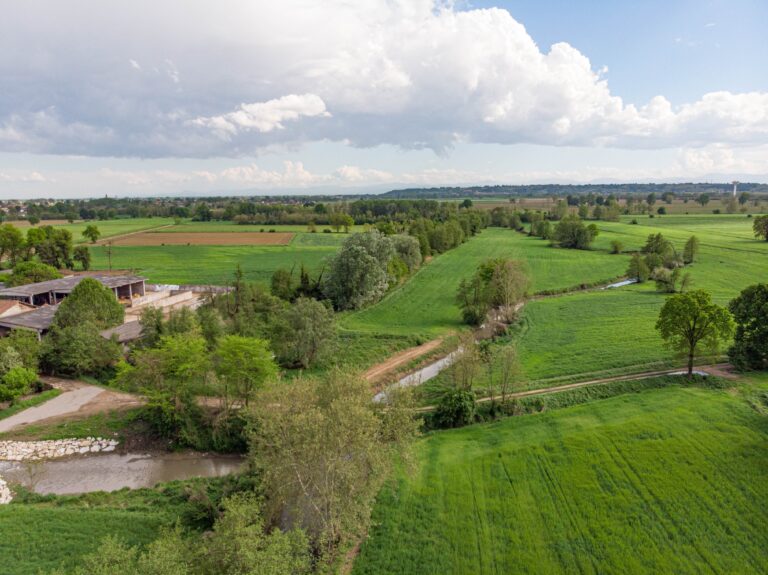
Notably, no protest has been reported so far by the concerned Project Authority, District Administration, or Forest Department in relation to tree felling or displacement. The felling of trees in the Panna Tiger Reserve, however, is likely to attract environmental scrutiny, given the project’s potential impact on biodiversity within one of central India’s key wildlife corridors.
The Ken-Betwa Link is designed to connect the Ken and Betwa rivers across the Bundelkhand region of Uttar Pradesh and Madhya Pradesh, and is expected to benefit water-scarce districts through improved irrigation and drinking water access. It forms part of a broader river-linking vision that includes extensive proposals such as the Godavari-Krishna-Pennar-Cauvery cascade, Polavaram-Krishna-Vijayawada link, and several Himalayan links such as Kosi-Mechi and Sarda-Yamuna.
While the KBLP advances into construction, other ILR projects remain at various stages of planning. These include completed DPRs for 11 links, such as Godavari-Inchampalli to Krishna-Nagarjunasagar, Pennar to Cauvery, and Damanganga to Pinjal. Many others, including major Himalayan projects like the Ghaghra-Yamuna and Sone Dam links, are still under feasibility assessment.
The interlinking programme reflects the Government of India’s long-term ambition to mitigate drought and flood risks by redistributing water resources through engineered river networks. Yet, as KBLP’s execution illustrates, the physical and ecological costs—manifest in large-scale tree felling and displacement—remain significant. Environmentalists, who protest the interlinking of rivers, warn that the coming phases of project implementation will be closely watched both for their environmental impact and for how equitably benefits and burdens are shared across affected regions.
– global bihari bureau