Photo source: WHO EMRO
A War Amid Disease, Hunger, Displacement
Geneva/Cairo/Port Sudan: As Sudan marked 1,000 days of conflict on January 9, 2026, the World Health Organization’s Regional Office for the Eastern Mediterranean (WHO-EMRO) today said the country is facing the world’s worst health and humanitarian crisis, driven by prolonged fighting, mass displacement and the collapse of basic services. Since violence erupted in April 2023 between the Sudanese Armed Forces and the Rapid Support Forces, large parts of the country have fractured into contested zones, severely constraining humanitarian access and pushing millions of civilians into acute need.
According to the World Health Organization (WHO), more than 20 million people now require health assistance, while around 21 million face severe food insecurity. Overall, an estimated 33.7 million people—nearly two-thirds of Sudan’s population—are projected to need humanitarian aid in 2026, reflecting the scale of the emergency after nearly three years of continuous violence, disrupted governance and declining international funding.
The health system has been among the hardest hit. Ongoing hostilities, repeated attacks on health facilities, chronic shortages of medicines and fuel, and the flight of trained medical personnel have left much of the country without functional care. WHO estimates that 37 per cent of health facilities are currently non-functional, depriving millions of access to essential and lifesaving services. Since the start of the war, the organisation has verified 201 attacks on health care, resulting in 1,858 deaths and 490 injuries. These incidents, which constitute violations of international humanitarian law, have heightened risks for patients, caregivers and frontline health workers while eroding already fragile health infrastructure.
Beyond direct attacks, the wider civilian toll of the conflict continues to mount. While comprehensive nationwide casualty figures remain difficult to verify due to access restrictions and insecurity, UN agencies and rights groups have consistently warned that civilian deaths and injuries run into the tens of thousands, with many more unrecorded. Prolonged sieges, shelling of urban areas, and the breakdown of law and order have compounded protection risks, particularly for women, children and older people.
“One thousand days of conflict in Sudan have driven the health system to the brink of collapse,” said WHO Representative in Sudan, Dr Shible Sahbani. “Under the strain of disease, hunger and a lack of access to basic services, people face a devastating situation.” He said WHO continues to deliver lifesaving assistance where access allows, while also attempting to stabilise and rebuild parts of the health system amid active conflict.
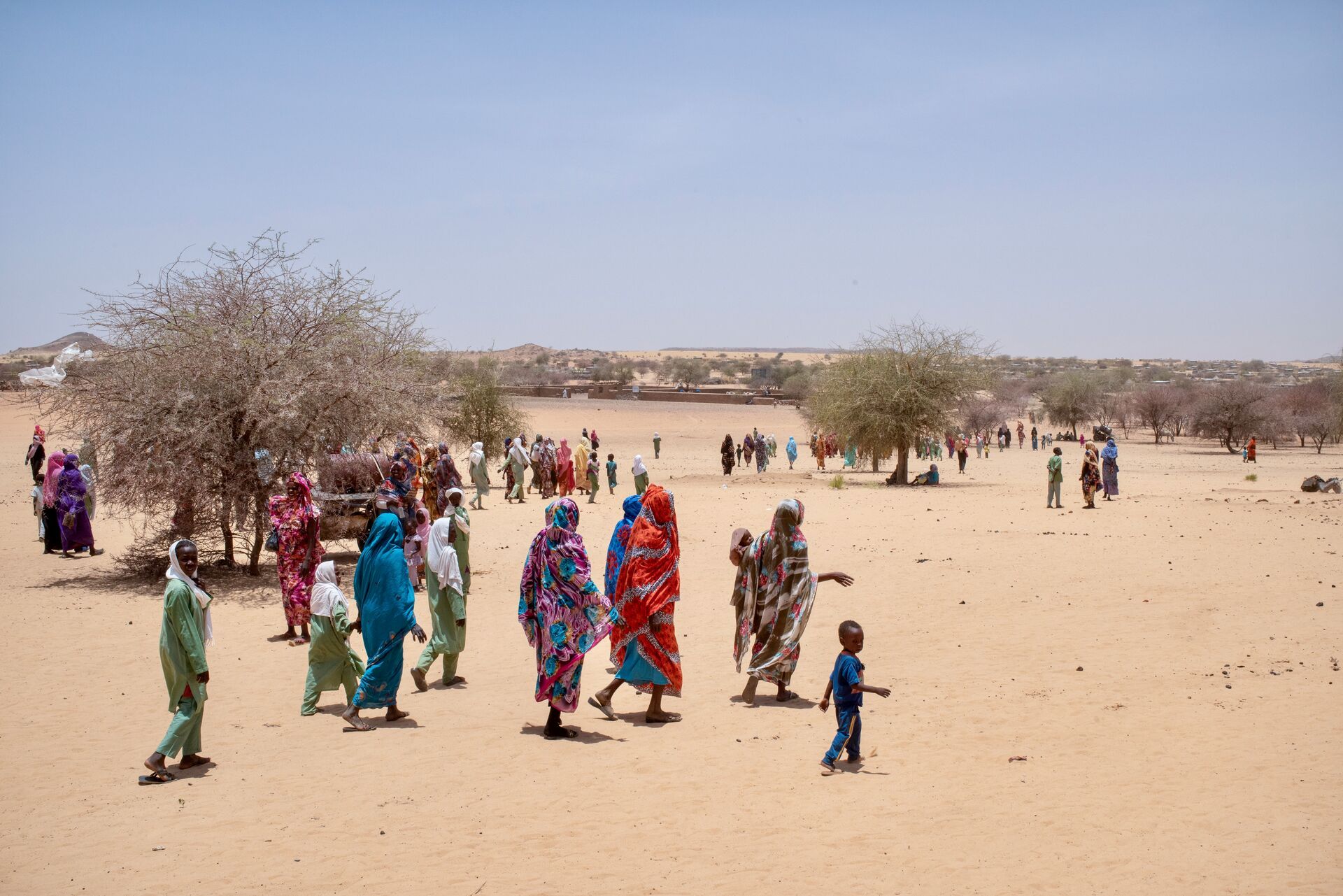
Displacement on an unprecedented scale has further intensified the crisis. An estimated 13.6 million people are currently displaced inside Sudan or across its borders, making it the world’s largest displacement crisis. Neighbouring countries, including Chad, South Sudan, Egypt and Ethiopia, are under growing pressure as refugees arrive with urgent health and protection needs, raising concerns about regional spillover effects and cross-border disease surveillance.
Inside Sudan, overcrowded displacement sites with limited access to clean water, sanitation and hygiene services have created fertile conditions for disease outbreaks. The disruption of routine immunisation programmes and primary health care has led to the spread of preventable illnesses. WHO reports ongoing responses to outbreaks of cholera, dengue, malaria and measles, with cholera detected in all 18 states, dengue in 14 states and malaria in 16 states. Access to preventive and curative care, including treatment for chronic illnesses, maternal and reproductive health services, and management of severe malnutrition, remains uneven and often unavailable in frontline areas.
The impact on children and women has been particularly severe. Health partners warn of rising risks of maternal mortality as access to skilled birth attendance and emergency obstetric care declines, while undernutrition and disease threaten infant survival. Prolonged exposure to violence, loss and displacement has also generated a growing mental health burden, with psychosocial support services largely absent in many areas.
Despite shrinking humanitarian space, the WHO says it continues to work with Sudan’s Federal and State Ministries of Health and partner organisations to sustain critical services. Since April 2023, the agency has delivered 3,378 metric tons of medicines and medical supplies worth approximately US$40 million to 48 health partners. These supplies have supported emergency surgery, disease treatment, diagnostics and nutrition services. About 24 million people have received cholera vaccinations, and malaria vaccines have been introduced and scaled up. More than 3.3 million people have accessed care through WHO-supported hospitals, primary health facilities and mobile clinics, while over 112,400 children with severe acute malnutrition and medical complications have received treatment at functional stabilisation centres.
Laboratory capacity at the state and national levels has also been strengthened to support disease surveillance and outbreak confirmation, enabling faster public health responses despite insecurity. However, WHO and other agencies caution that these gains remain fragile as fighting continues and access to several regions, particularly in Darfur and Kordofan, remains severely restricted due to insecurity, blocked corridors and damaged infrastructure.
Humanitarian agencies have repeatedly warned that funding gaps threaten to undermine operations in 2026. While appeals continue, health and nutrition programmes face critical shortfalls that could force reductions in services at a time when needs are escalating. Aid organisations stress that without predictable financing, safe humanitarian corridors and respect for international humanitarian law, preventable deaths will rise.
“As the relentless conflict renders some areas inaccessible, the population’s health needs continue to increase,” Dr Sahbani said, reiterating the call for unimpeded access and additional resources. WHO and its partners have also urged all parties to the conflict to work urgently towards a ceasefire, warning that without a political resolution, Sudan’s overlapping health, food and displacement crises will continue to spiral, with long-term consequences for the country and the wider region.
– global bihari bureau